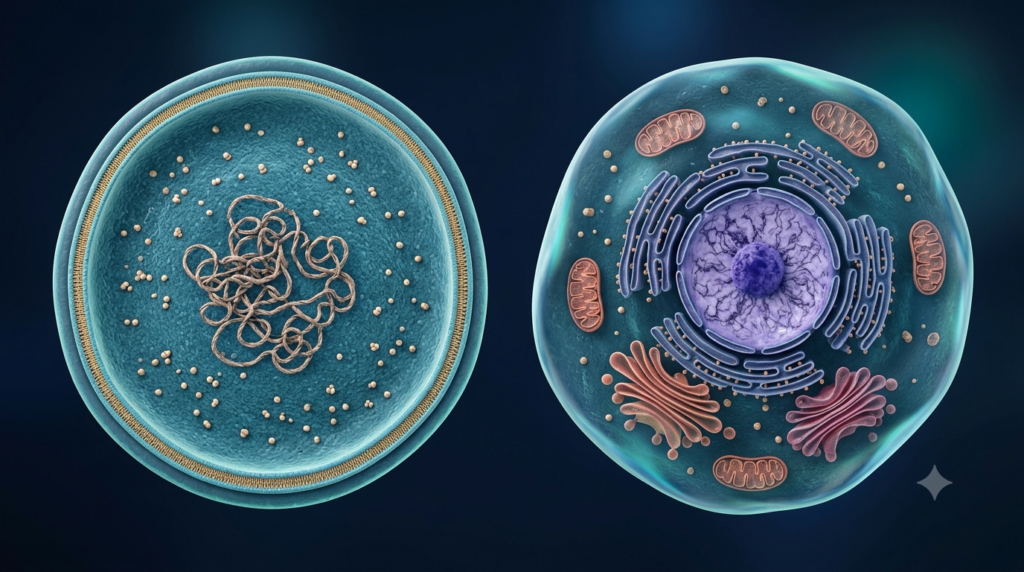
Prokaryotic and Eukaryotic Cells Understanding the Fundamental Differences
Every living organism, from microscopic bacteria to enormous trees and animals, is made up of cells. A cell is the
Science is a broad field that helps us understand the natural world through observation, experiments, evidence, and logical reasoning. This category covers essential areas of science, including Physics, Chemistry, Biology, Earth Science, Space Science, Environmental Science, and related scientific concepts. Readers can explore scientific principles, important discoveries, real-world applications, experiments, technologies, and explanations of how things work. The content is designed to make complex topics easier to understand for students, learners, and curious readers. Whether you are learning basic science concepts or exploring advanced ideas, the Science category provides clear and educational resources for building scientific knowledge.
Every living organism, from microscopic bacteria to enormous trees and animals, is made up of cells. A cell is the
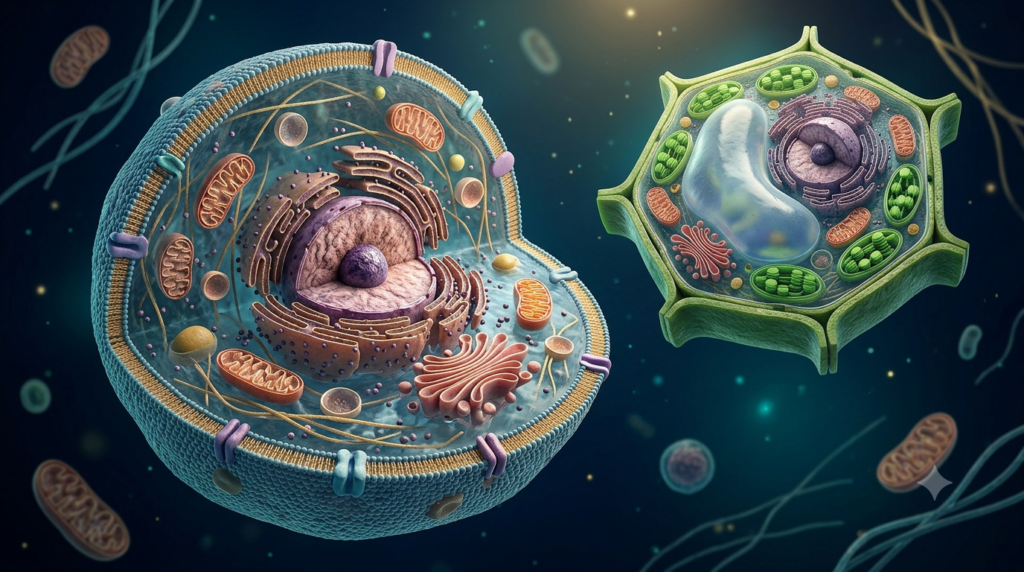
Every living organism, from a tiny bacterium to a giant blue whale, is made up of cells. Cells are the
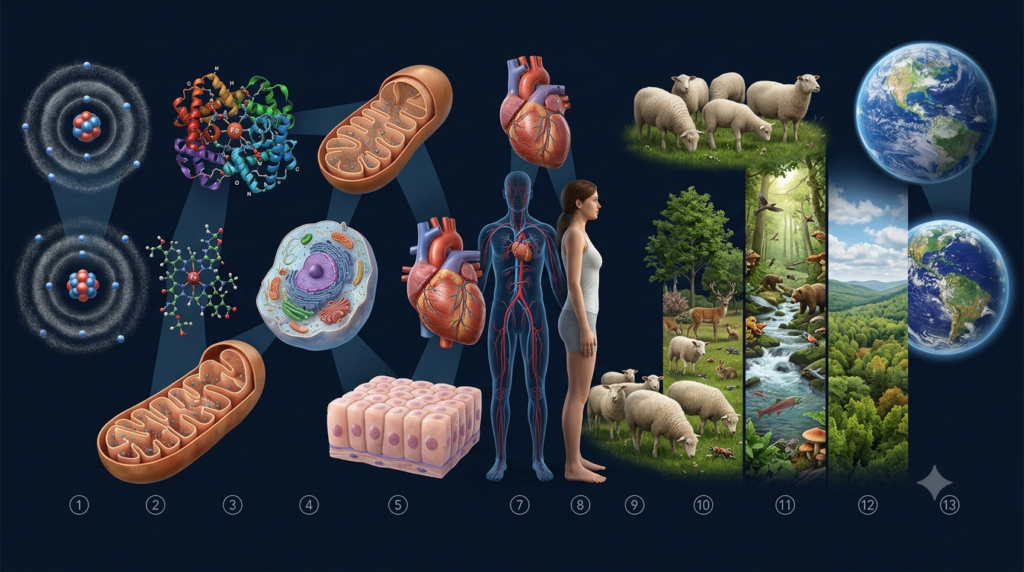
Living organisms are made up of many different structures that work together to maintain life. From the smallest atoms that

The world around us contains many different objects, from tiny bacteria and green plants to animals, rocks, rivers, and machines.
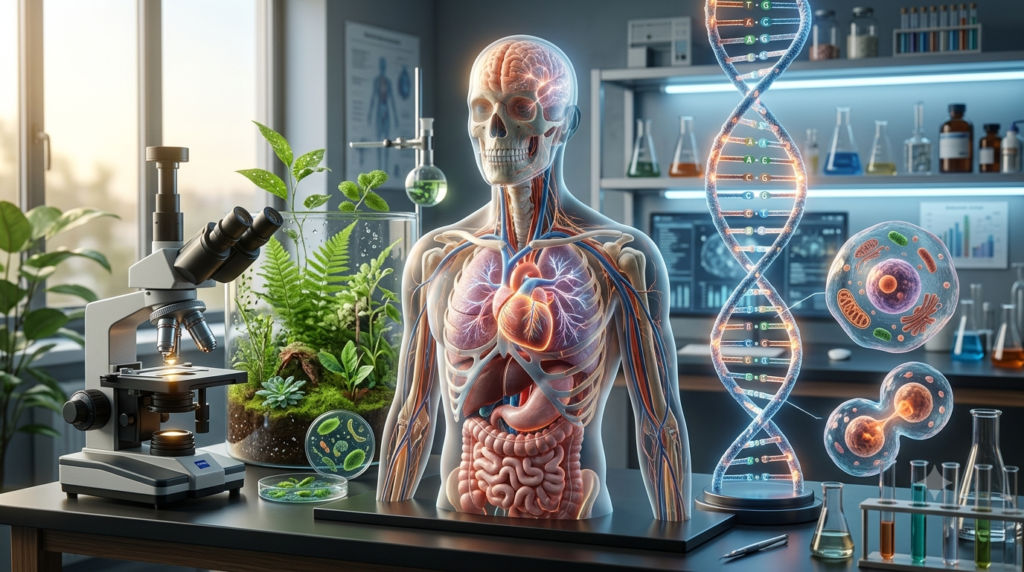
Biology is the branch of science that studies life and living organisms. It helps us understand how plants grow, how
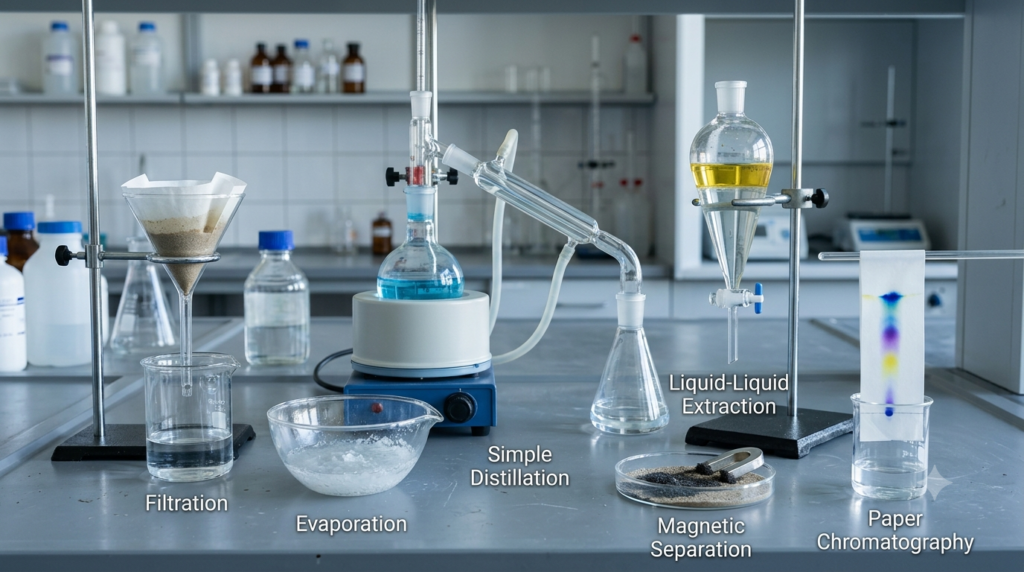
In chemistry, most materials we encounter in everyday life are mixtures. Air contains several gases, seawater contains dissolved salts, and

Matter is all around us, from the air we breathe and the water we drink to the food we eat

Everything around us is made of matter. The air we breathe, the water we drink, the food we eat, and
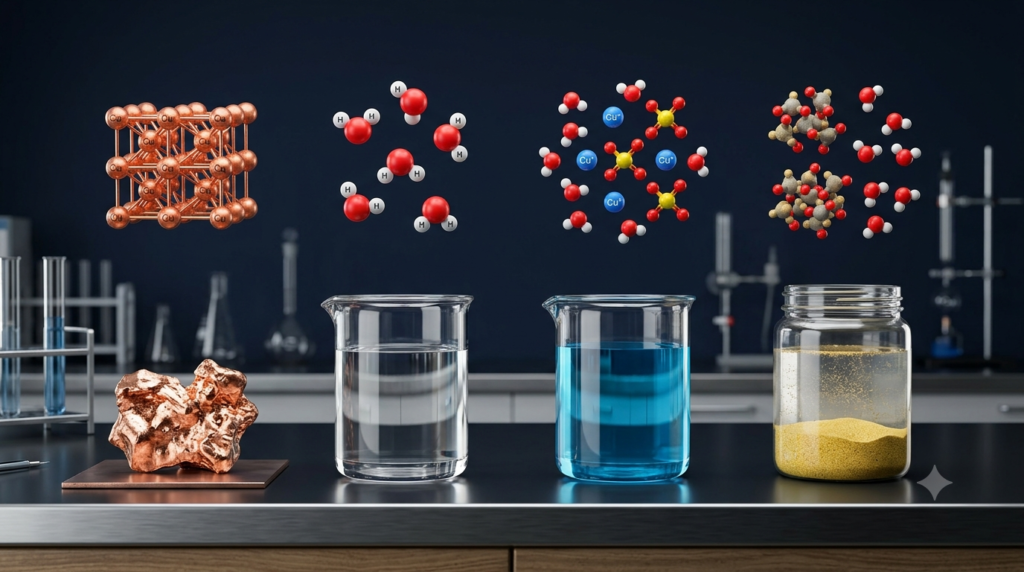
Everything around us is made of matter, from the air we breathe and the water we drink to the soil
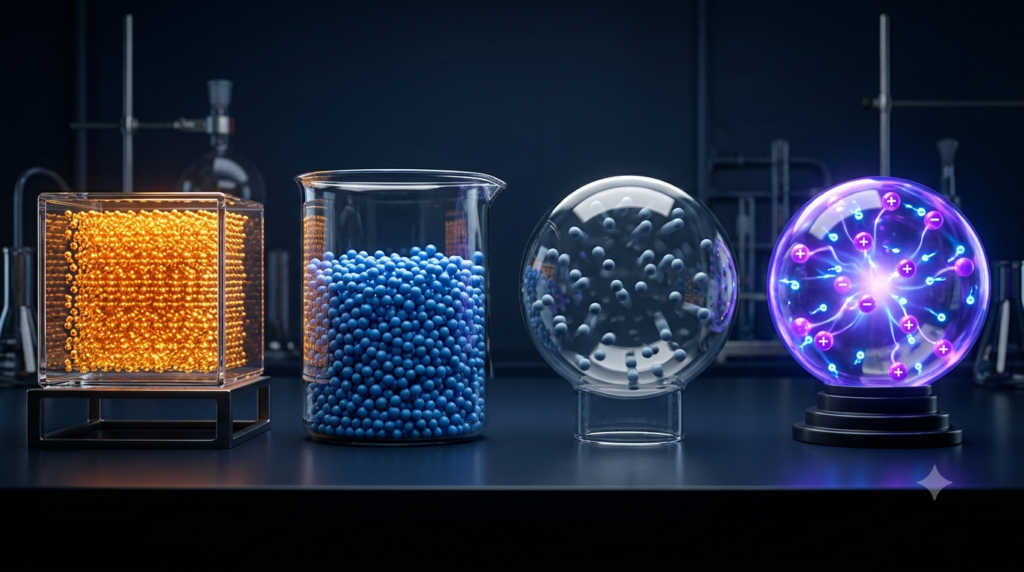
Everything around us is made of matter. The air we breathe, the water we drink, the food we eat, and

Matter is everything that has mass and occupies space. The water we drink, the air we breathe, the food we
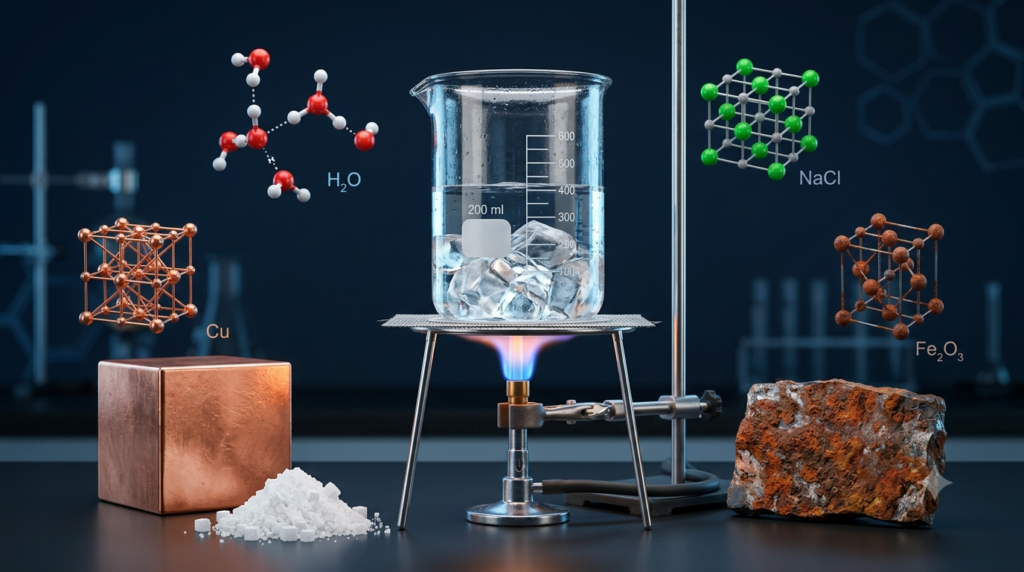
Everything around us is made of matter. The air we breathe, the water we drink, the food we eat, and
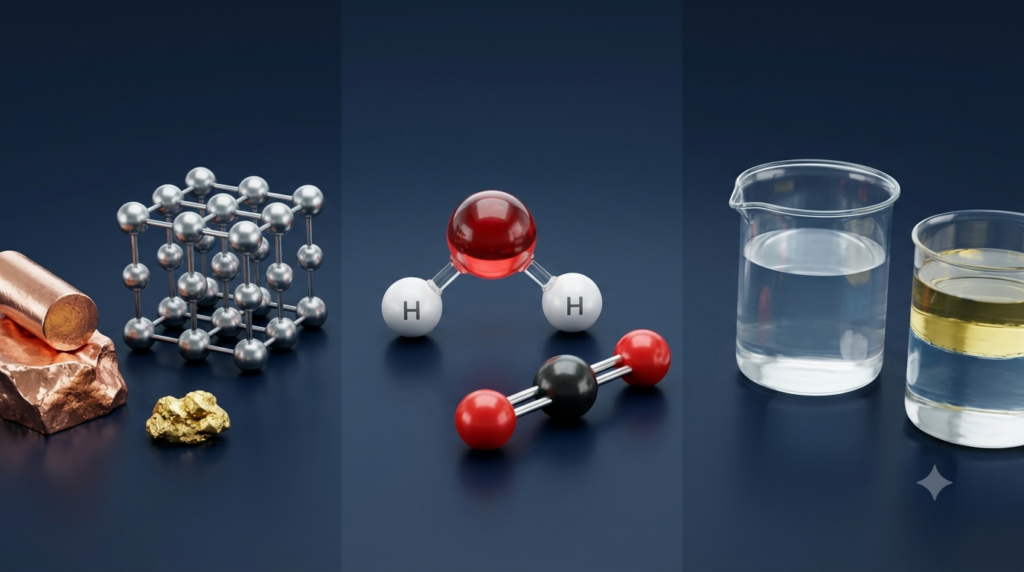
Everything around us is made of matter. The air we breathe, the water we drink, the food we eat, and
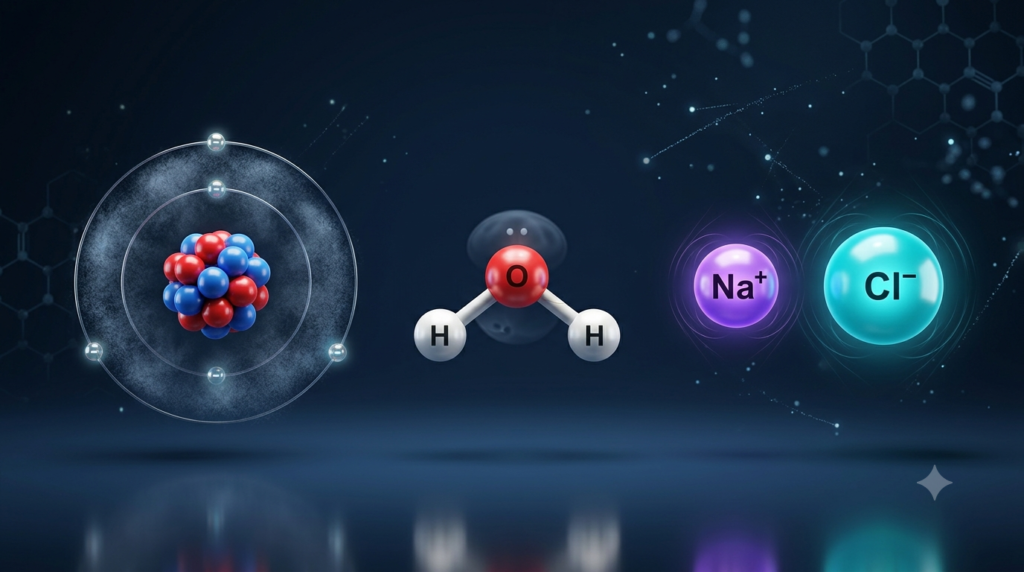
Everything around us is made of matter, including the air we breathe, the water we drink, the food we eat,
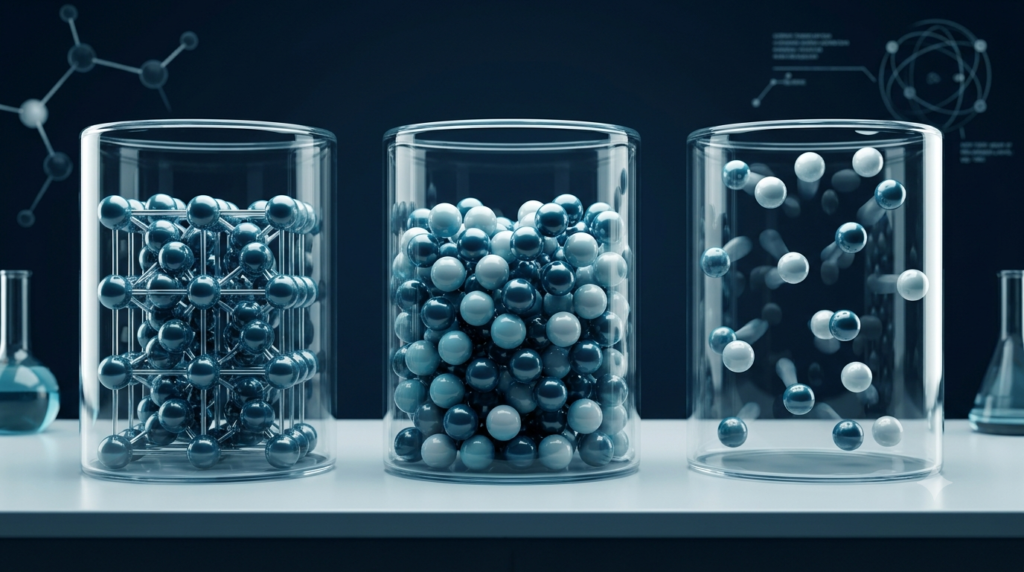
Everything around us is made of matter. The air we breathe, the water we drink, the food we eat, and

Everything around us is made of matter. The air we breathe, the water we drink, the food we eat, and
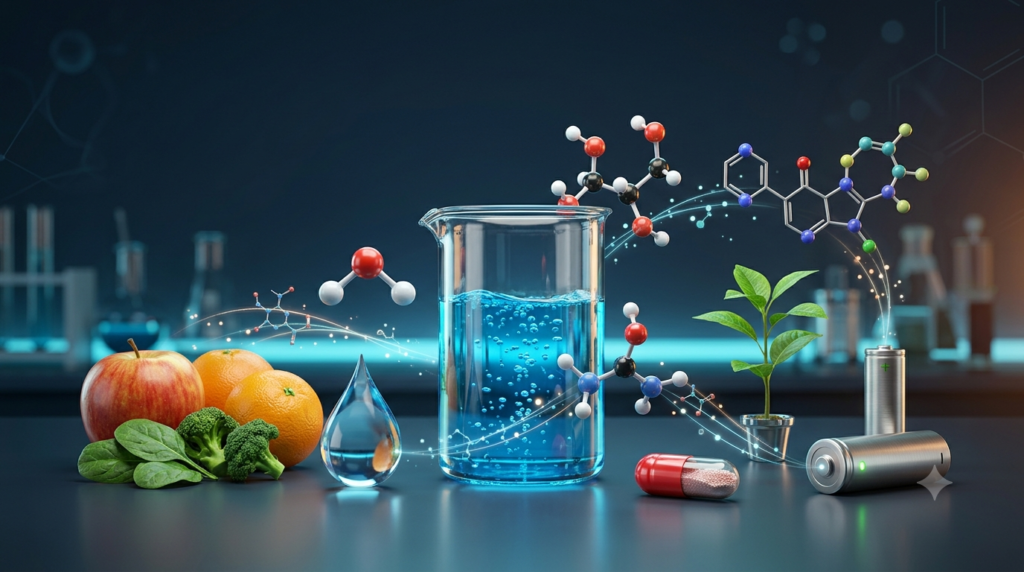
Chemistry is the branch of science that studies matter, its composition, structure, properties, and the changes it undergoes. Everything around
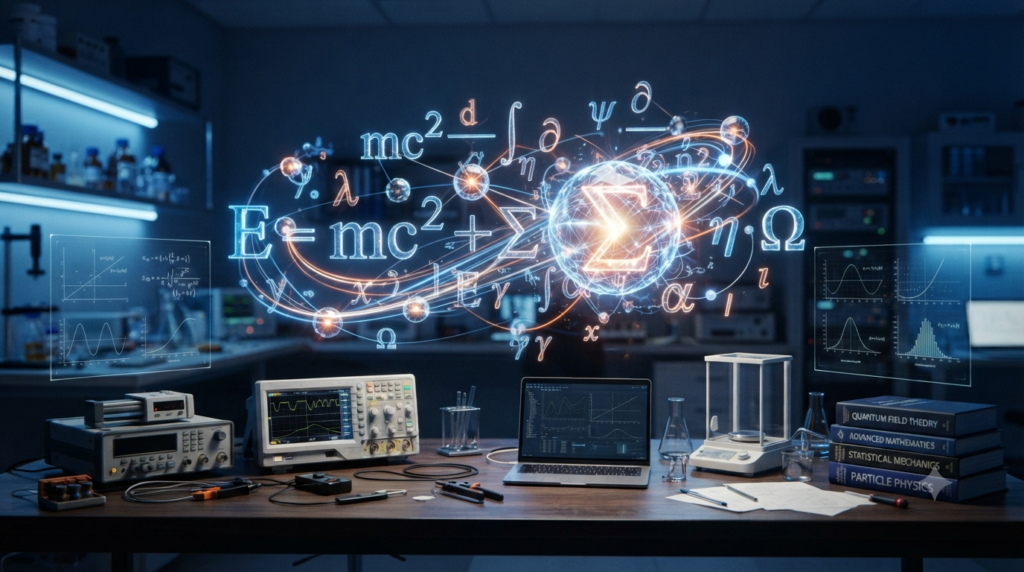
When we use a scientific or mathematical formula, we often focus on calculating the final answer. However, a formula can

Mathematical formulas are used to describe relationships between numbers, quantities, and measurements. They allow us to solve problems without writing

Friction is one of the most common forces we experience in everyday life. Whenever you walk, write with a pencil,
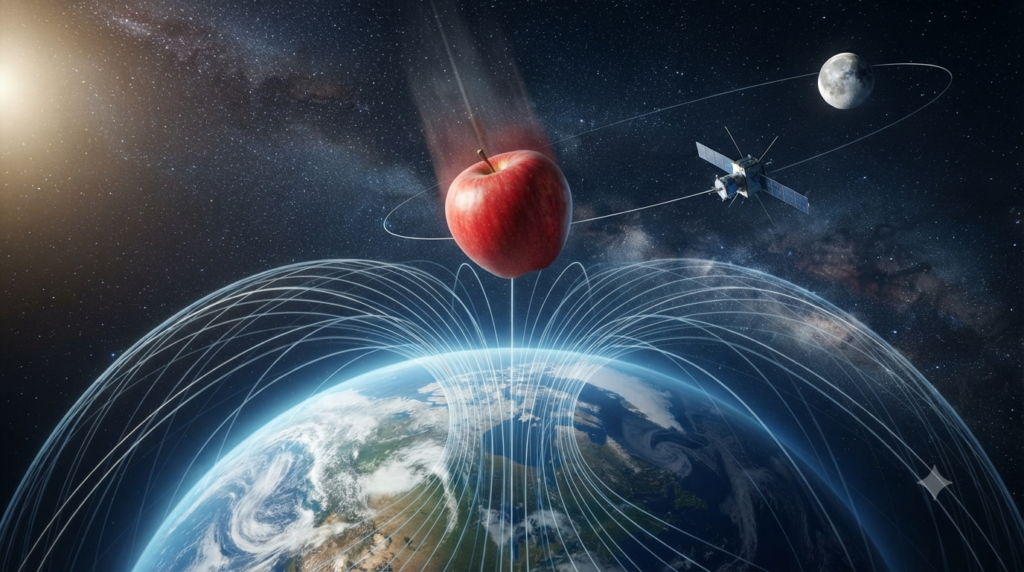
Gravity is one of the most familiar forces in everyday life, yet it is also one of the most fascinating

Density is one of the most useful physical quantities in science. It helps us understand how much matter is packed
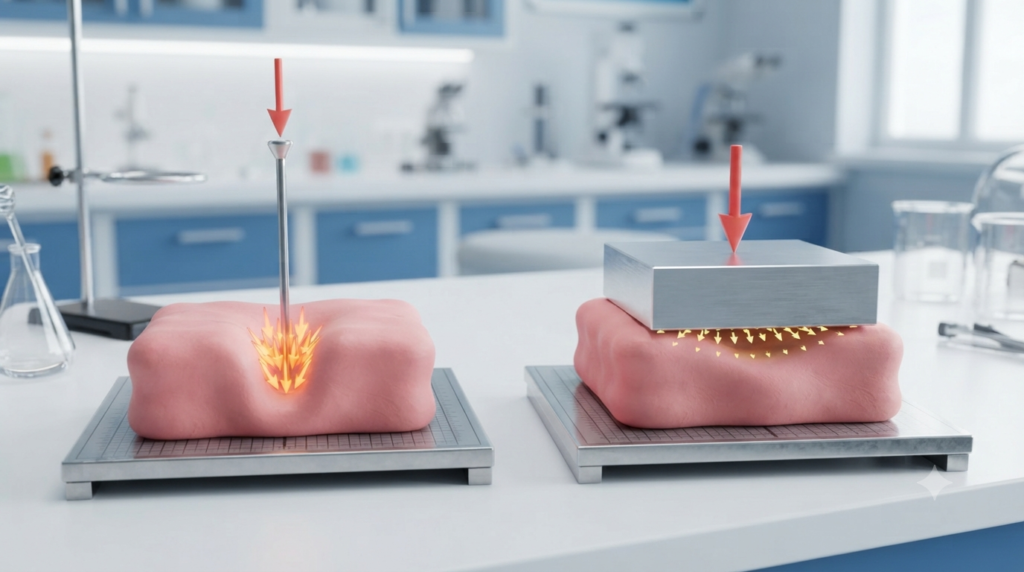
Pressure is one of the most common physical quantities we experience in everyday life, even though we may not always
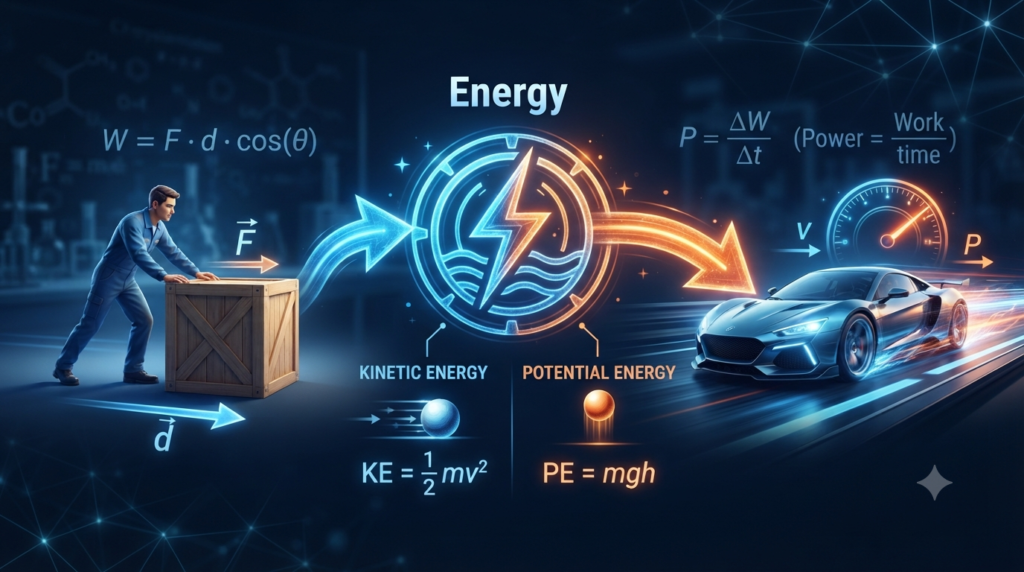
Work, energy, and power are three closely connected concepts in physics that help us understand how objects move, how forces
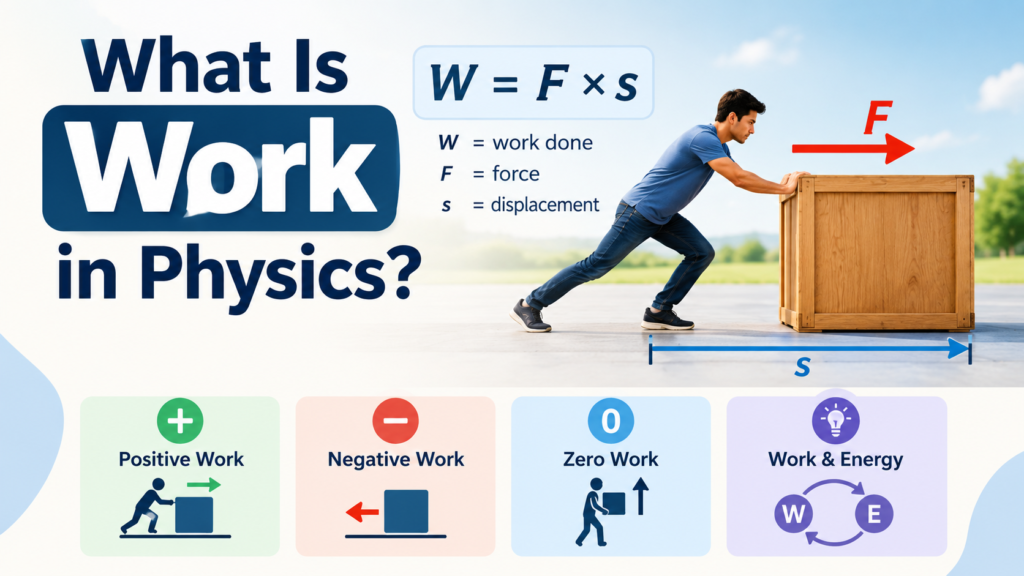
In everyday life, the word “work” usually means doing something that requires effort. We may say that carrying a heavy

Power is an important concept in physics that tells us how quickly work is done or energy is transferred. Two

Energy is one of the most important ideas in physics. It helps us understand how objects move, how machines work,

Energy is one of the most important ideas in science. It is involved in almost everything that happens around us,

Energy is one of the most important ideas in physics. We use the word “energy” in everyday life when talking

Momentum is one of the fundamental concepts in physics used to describe the motion of an object. It helps us

Have you ever noticed how your body moves forward when a bus suddenly stops? Or why you feel pushed backward

When we look at an object that appears to be stationary, we naturally say that it is at rest. A

Have you ever wondered why an object can have the same amount of matter but weigh differently in different places?

Force is one of the most important ideas in physics because it helps explain why objects start moving, stop moving,

Force is one of the most important ideas in physics. We experience forces every day, even when we do not

Acceleration is one of the most important concepts in physics because it describes how the velocity of an object changes

When we describe how fast something is moving, we often use the word “speed.” In everyday conversation, speed and velocity

When an object moves from one place to another, we often describe its motion by saying how far it has

Motion is one of the most basic and important ideas in physics. Everything around us is in some form of

When we describe the motion of an object, we usually say whether it is moving, how fast it is moving,

In physics, we often describe where an object is, how it moves, or how far it has traveled. But to

In physics, we use physical quantities to describe measurable properties such as mass, time, speed, force, and velocity. However, not

Physics is all about describing how things behave. We talk about the mass of an object, its speed, the distance

Physics is the science of describing how nature works. To study motion, forces, energy, temperature, electricity, and many other phenomena,

Physics is full of equations, measurements, and mathematical relationships. But how can we know whether an equation makes physical sense?

Physics deals with quantities that can be extremely large or incredibly small. The distance between stars, the mass of planets,

Physics is a science based on measurement. Whether a physicist measures length, time, mass, temperature, or electrical current, every measurement

Measurement is one of the most important parts of physics. Almost every physical law, formula, and experiment depends on measurements.

Measurement is one of the most important foundations of physics. Almost every idea in physics is connected to measurement in

Unit conversion is one of the most important skills in physics. Measurements are expressed using units such as metres, kilometres,

Physics uses measurements to describe everything from the motion of a car to the energy produced by a power plant.

Science depends on measurement. Whether scientists are studying the motion of a spacecraft, the temperature of a material, the mass

Imagine trying to measure the length of a table without using centimeters or meters. One person might say the table

Physics is the science of understanding how the natural world works. To describe motion, matter, energy, forces, electricity, and many

Physics is the study of nature and the rules that describe how objects, matter, energy, space, and time behave. To

Physics is one of the most powerful ways humans try to understand the natural world. From the motion of planets

Physics is one of the fundamental sciences that helps us understand how the universe works. From the motion of planets

Physics is often introduced as the study of matter, energy, motion, forces, and the laws that govern the universe. It

Physics is one of the fundamental branches of science that helps us understand how the natural world works. From the
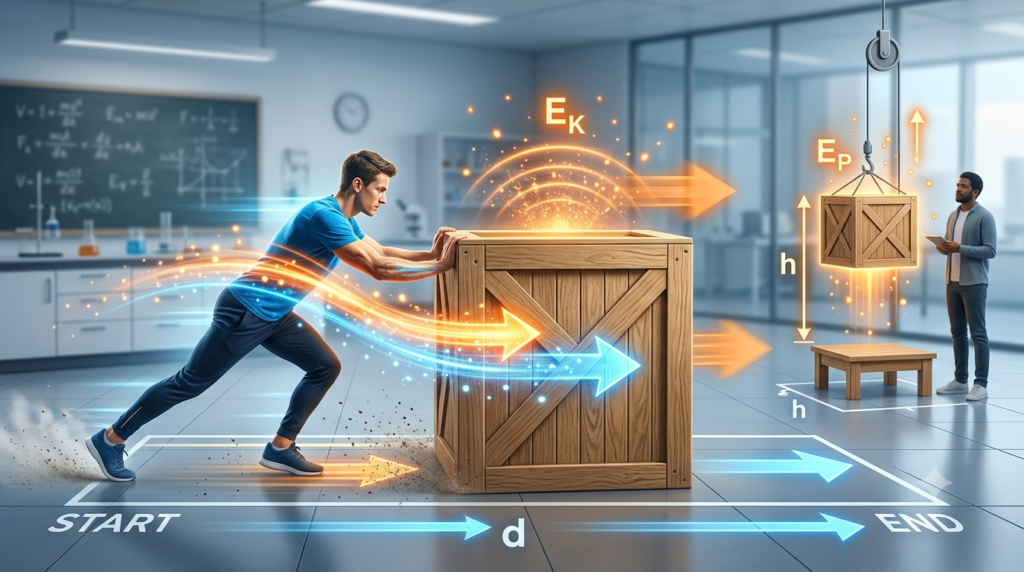
Work and energy are two of the most important ideas in physics. We use the word “work” in everyday life