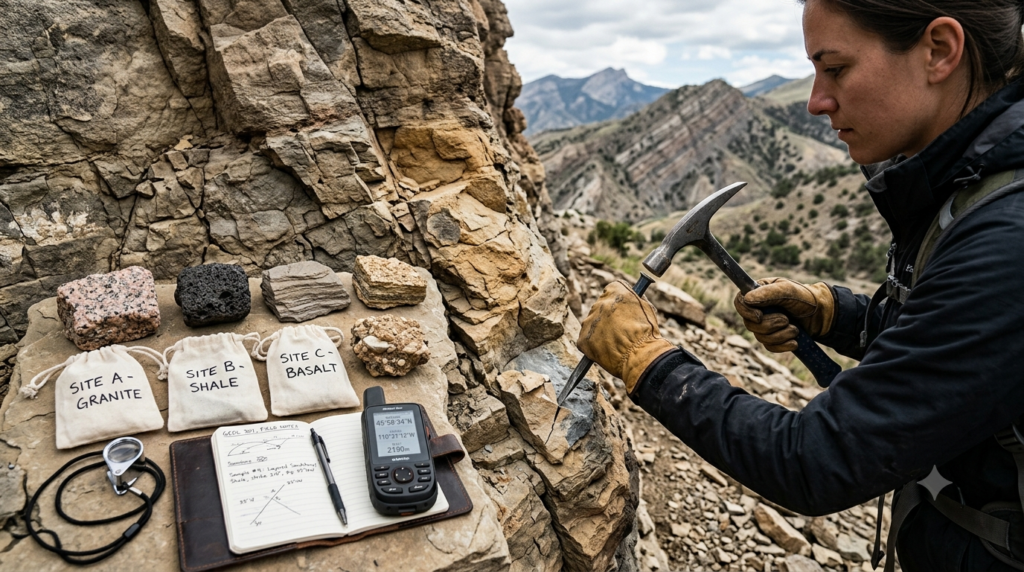
Geological Sampling and Basic Methods of Collecting Rock Samples
Geological sampling is an essential part of studying the Earth, understanding its structure, and identifying the materials that make up
Earth Science explores the Earth, its structure, processes, and the natural systems that shape our planet. This category covers important topics such as geology, geophysics, geochemistry, mineralogy, rocks and minerals, plate tectonics, earthquakes, volcanoes, weathering, erosion, oceans, atmosphere, soil, and Earth’s history. Readers can learn how Earth’s surface and interior work, how natural phenomena occur, and how geological processes influence the environment and life. The content is designed to provide clear and simple explanations of Earth Science concepts for students, learners, and anyone interested in understanding our planet and its changing natural systems.
Geological sampling is an essential part of studying the Earth, understanding its structure, and identifying the materials that make up
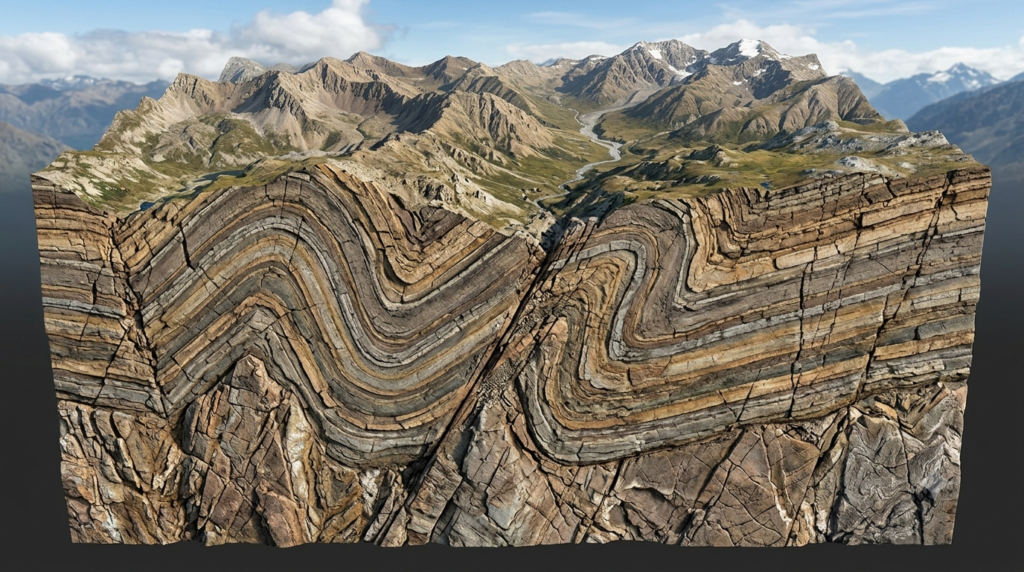
The Earth’s crust is constantly changing, even when these changes are too slow to notice in everyday life. Mountains rise,
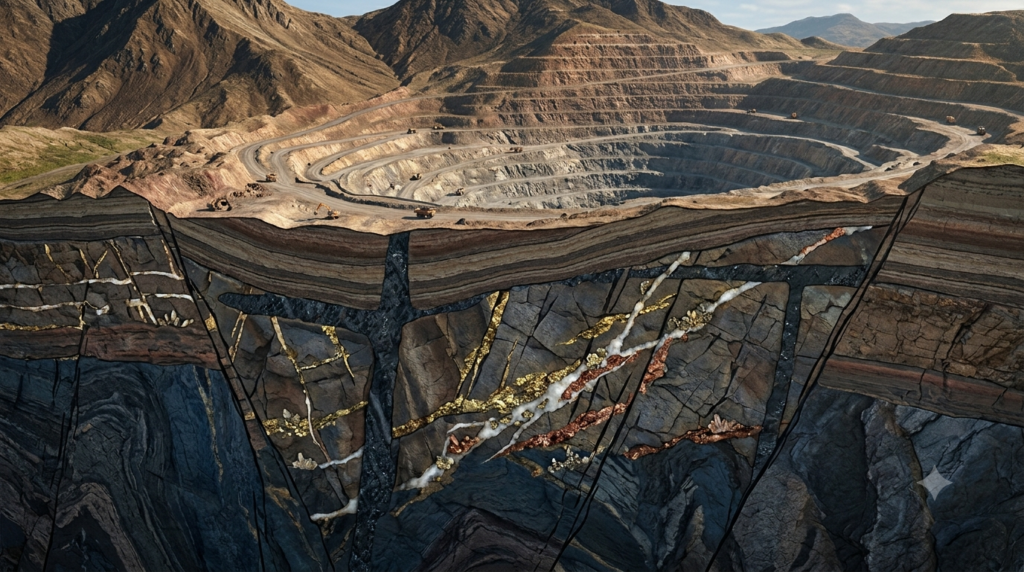
Earth contains many valuable natural resources that support modern life, industry, agriculture, transportation, and technological development. Metals such as iron,
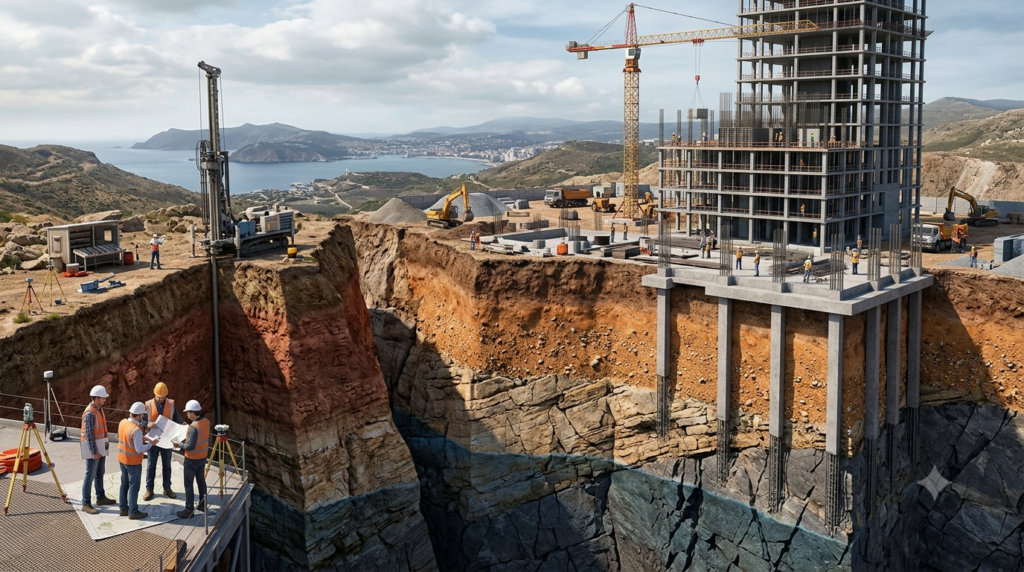
Engineering geology is an important branch of geology that applies geological knowledge to engineering design, construction, and infrastructure development. It
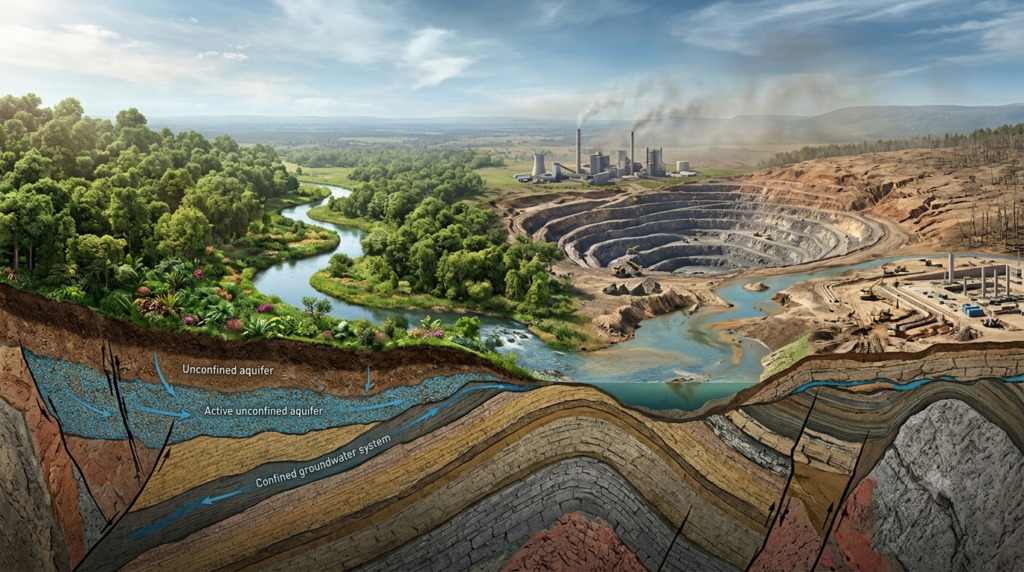
Environmental geology is the branch of geology that studies the relationship between Earth’s geological processes and the environment in which
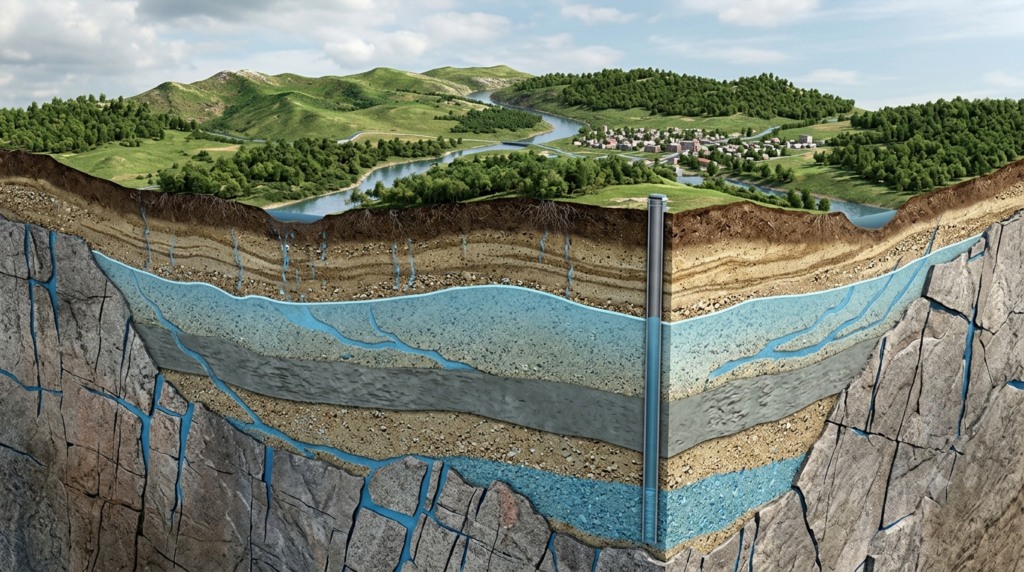
Water is one of the most important natural resources on Earth. Although rivers, lakes, and reservoirs provide visible sources of
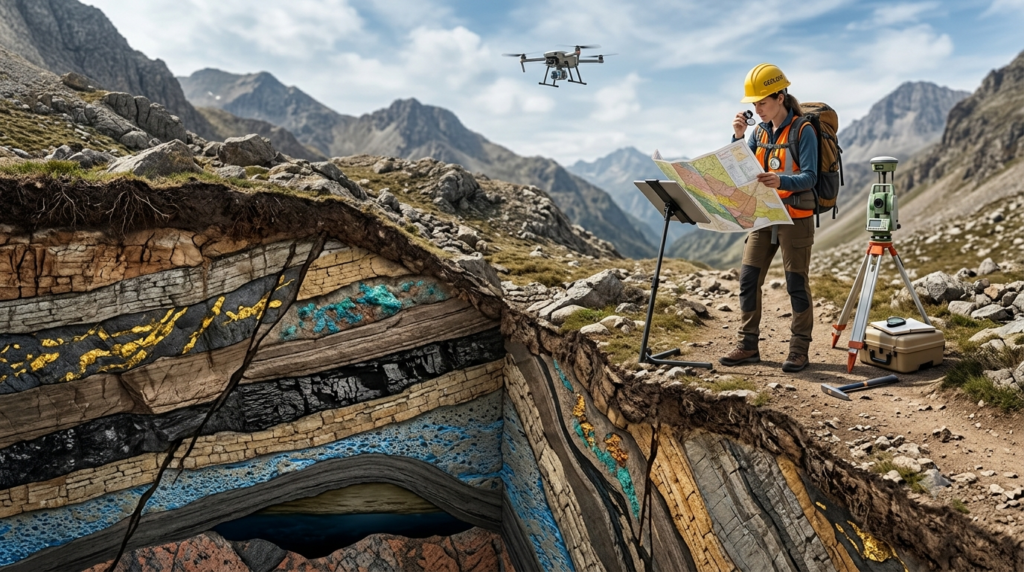
Natural resources play an essential role in everyday life. The minerals used in smartphones, the metals required for buildings, the
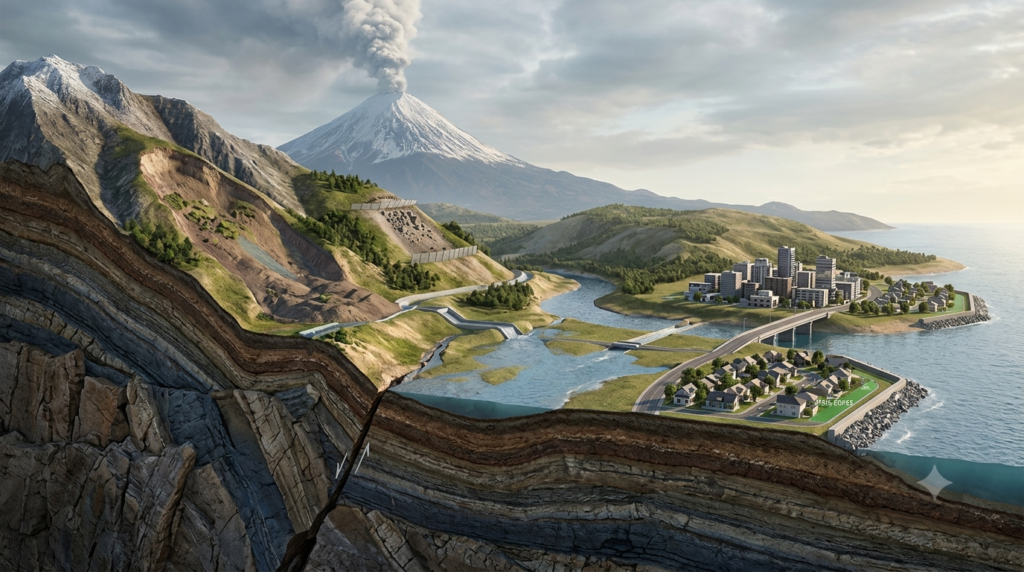
Natural hazards such as earthquakes, volcanic eruptions, landslides, floods, and coastal erosion can cause serious damage to people, buildings, infrastructure,
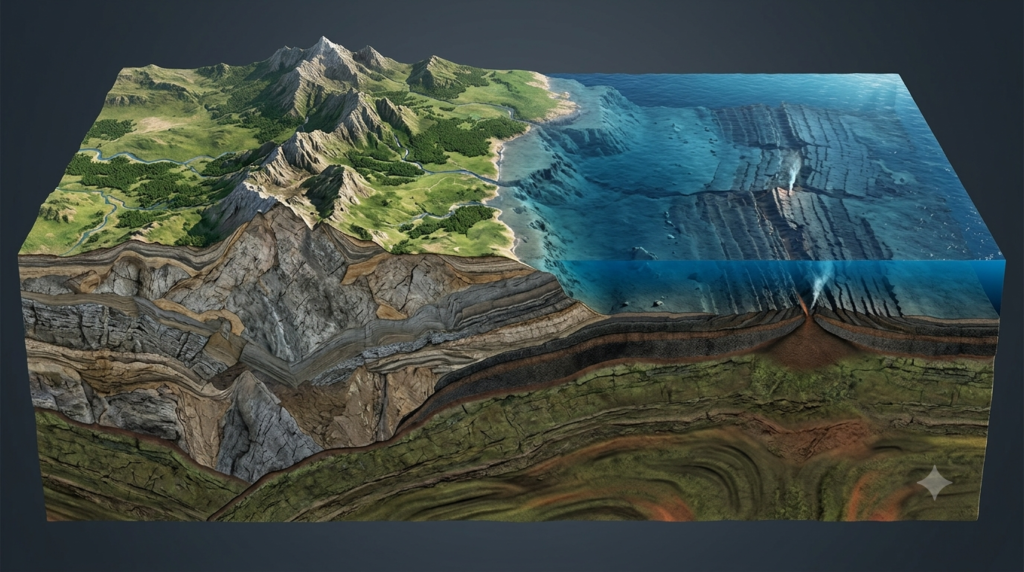
Earth’s outermost solid layer is called the crust. It forms the surface on which we live, build cities, grow crops,
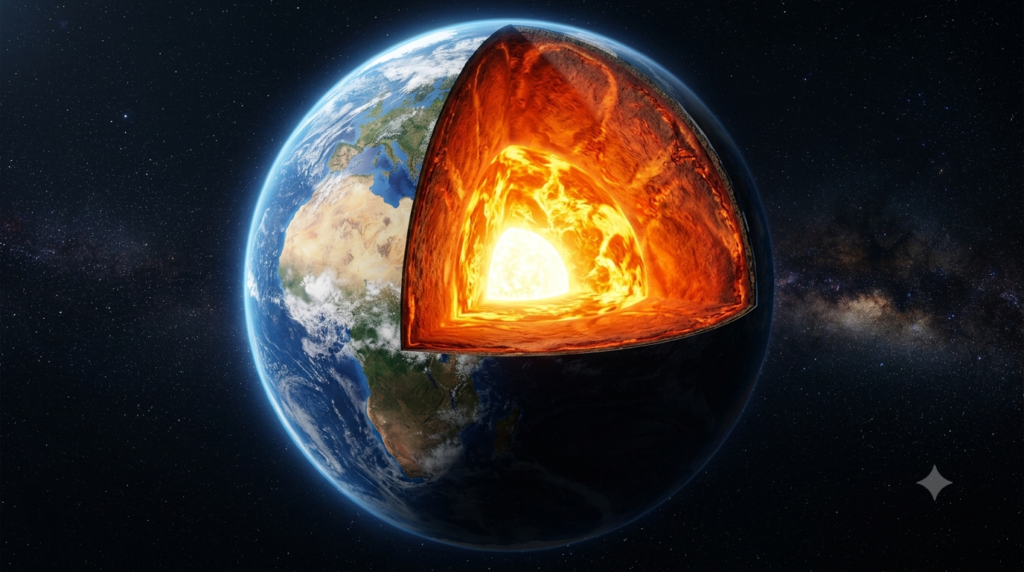
Earth may look like a solid ball from space, but its interior is far more complex than its surface suggests.
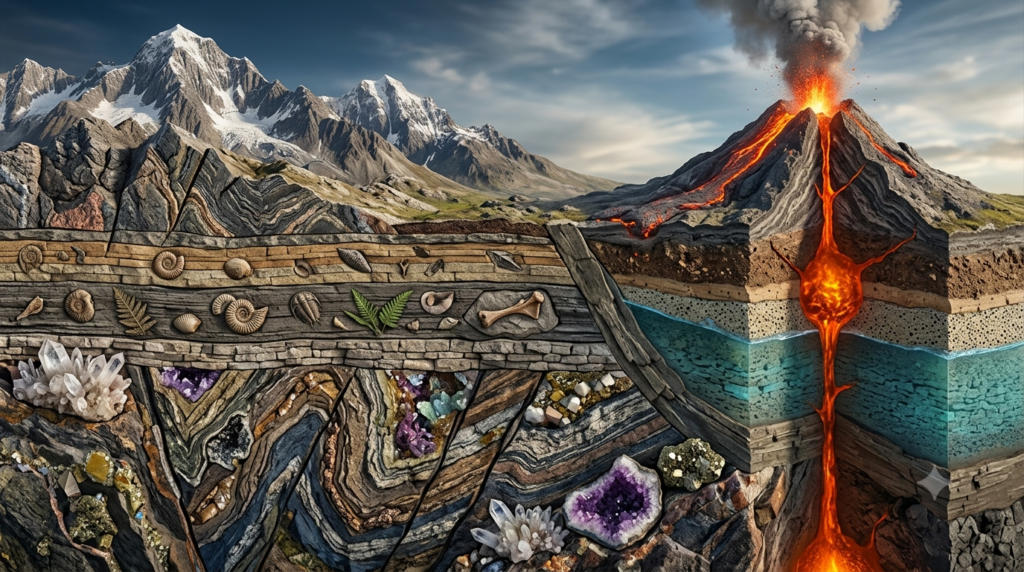
Geology is the scientific study of Earth, including its structure, materials, history, and the natural processes that have shaped it
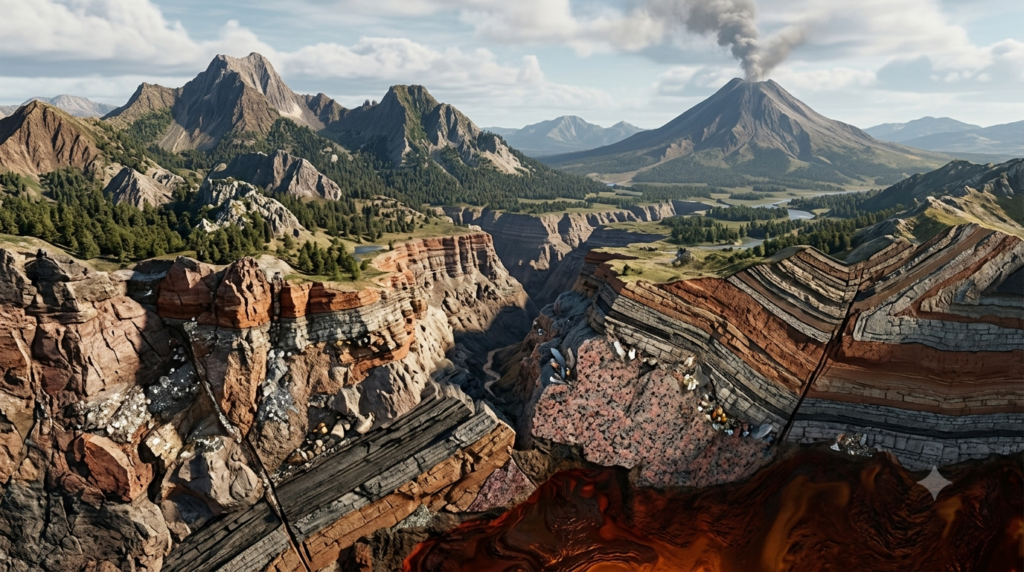
The Earth may look like a solid and unchanging planet, but it is constantly changing beneath our feet. Mountains rise,