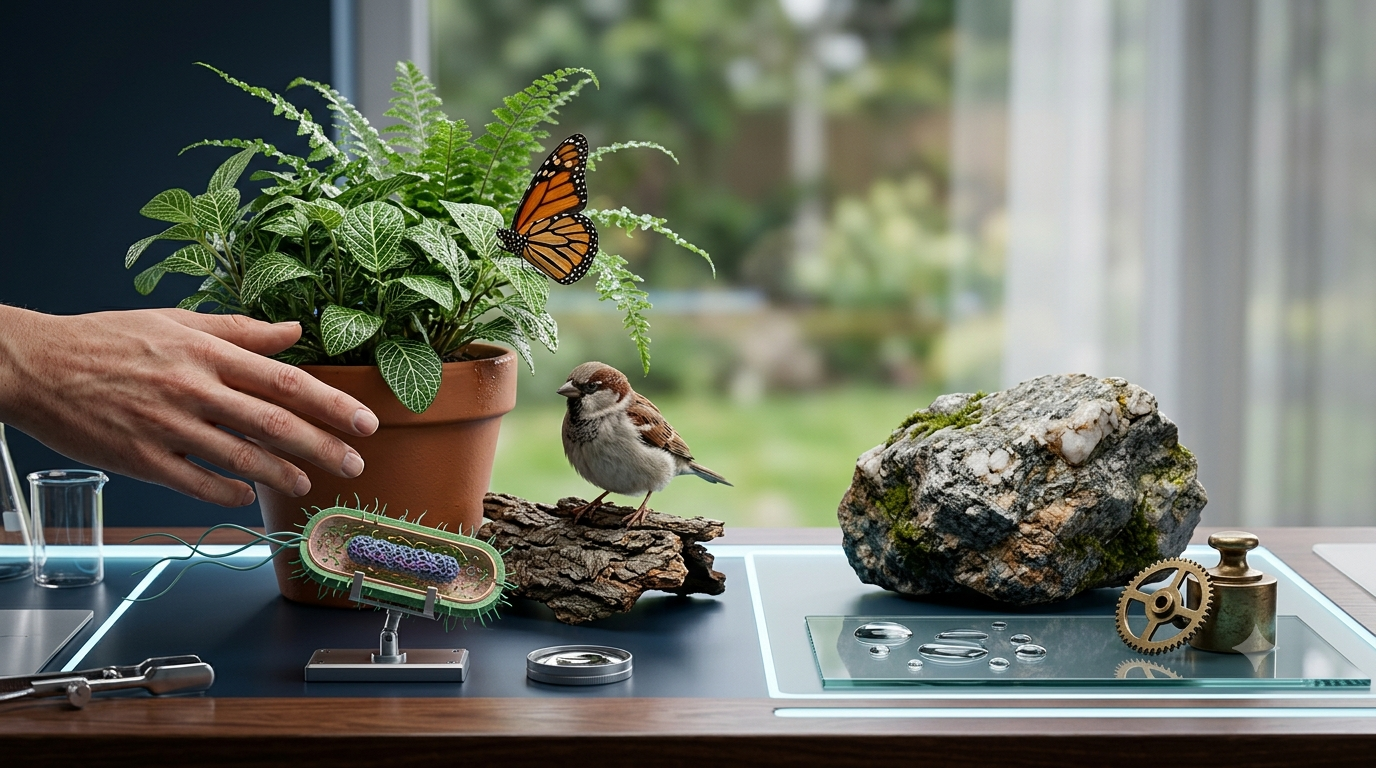
The world around us contains many different objects, from tiny bacteria and green plants to animals, rocks, rivers, and machines. Some of these things are alive, while others are not. A tree grows, a bird breathes, and a human being responds to changes in the surroundings. In contrast, a stone does not grow by itself, and a chair does not carry out life processes. These differences help us understand the distinction between living and non-living things.
Living things share several important characteristics that allow them to survive, grow, obtain energy, respond to their environment, and produce new individuals. These characteristics are studied in biology, the branch of science concerned with life and living organisms. Understanding the characteristics of living things helps us recognize life, appreciate the diversity of organisms, and understand how living systems function. It also explains why some things, such as seeds and dormant microorganisms, may appear inactive while still being alive.
What Are Living Things?
Living things are organisms that carry out the biological processes necessary for life. They include animals, plants, fungi, bacteria, and many other microorganisms. Although these organisms differ greatly in appearance, size, structure, and habitat, they share several fundamental characteristics.
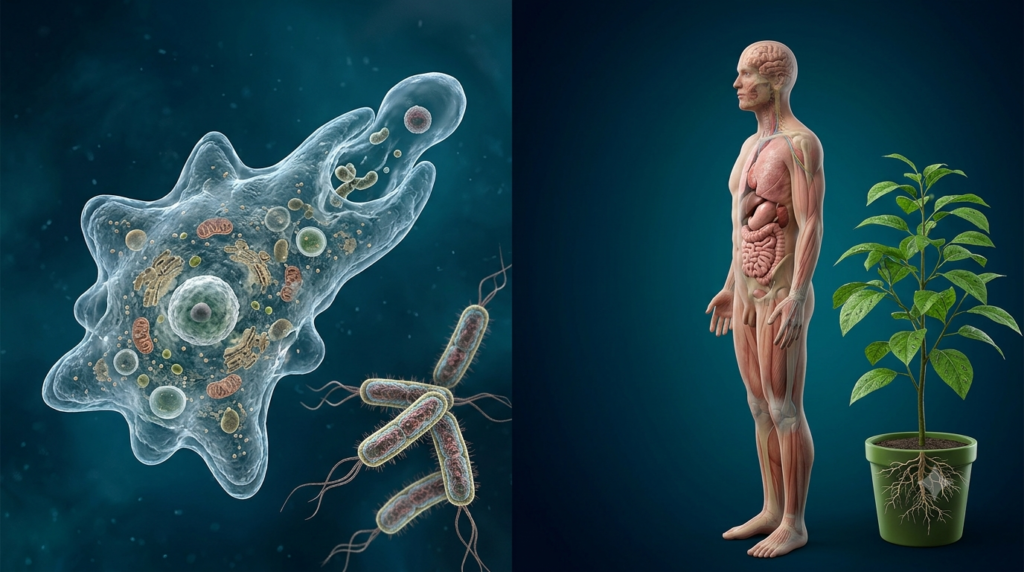
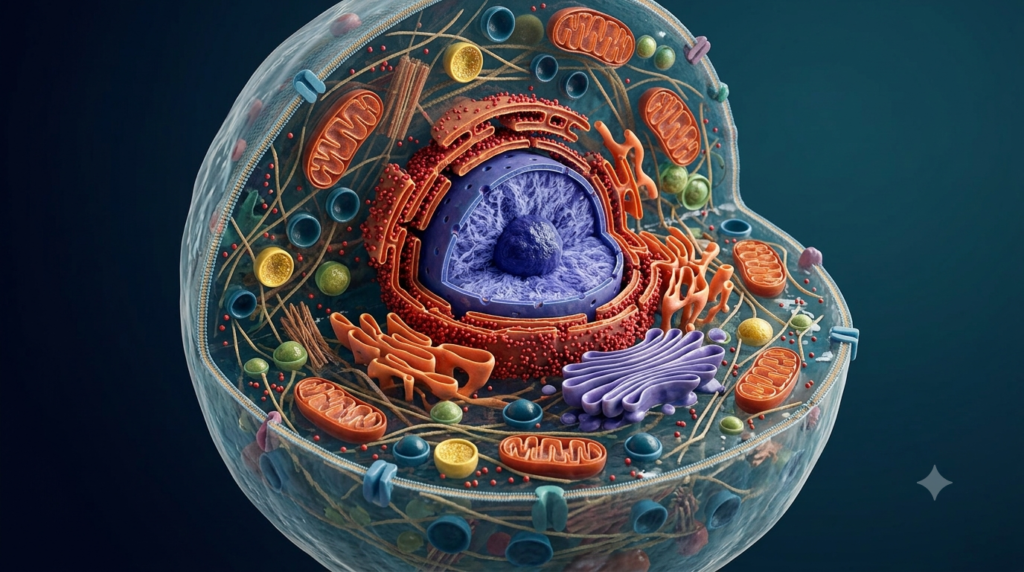
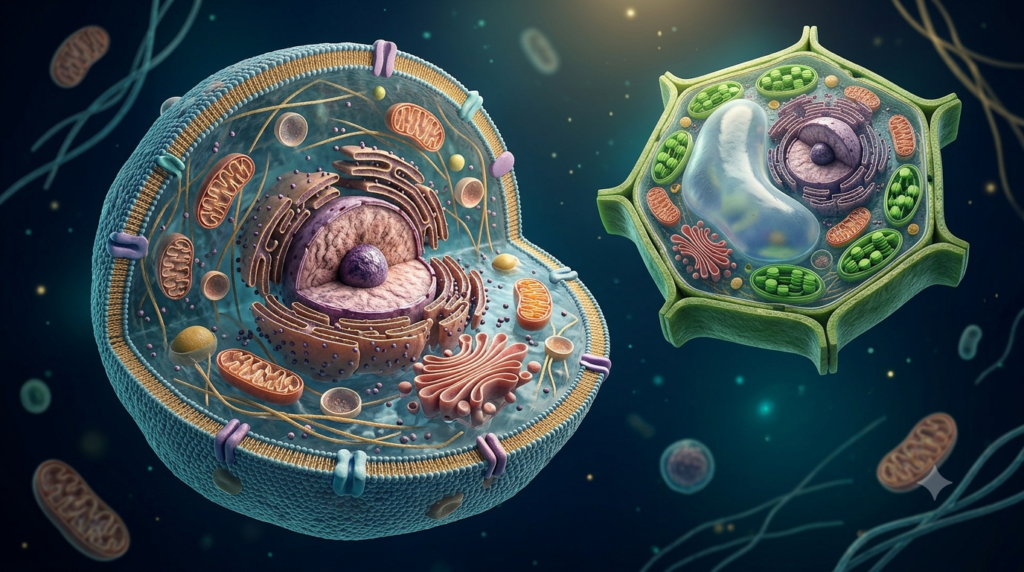
Most living organisms are made up of cells, which are the basic structural and functional units of life. Some organisms, such as bacteria, consist of a single cell, while others, including humans and trees, contain millions or even trillions of cells.
Living things obtain energy, maintain internal conditions, grow and develop, respond to their surroundings, and perform other processes essential for survival. Many organisms also reproduce, passing genetic information to the next generation.
However, not every living organism displays all these characteristics in an obvious way at every moment. A seed may remain dormant for months, and some animals become inactive during unfavorable conditions. Scientists therefore consider several characteristics together rather than relying on a single feature to identify life.
What Are Non-Living Things?
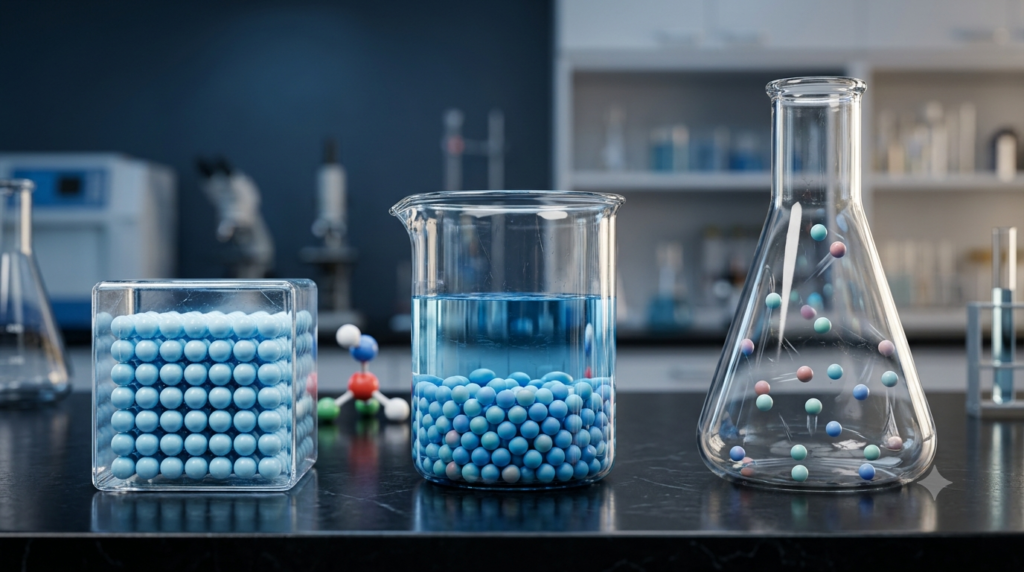
Non-living things are objects or substances that do not independently carry out the biological processes associated with life. Examples include rocks, water, air, sand, glass, plastic, and ordinary machines.
Non-living things may change in size, shape, temperature, or position, but these changes do not necessarily indicate life. For example, a rock may break into smaller pieces because of weathering, and a metal object may expand when heated. Neither process is biological growth.
Some non-living objects can move, use energy, or appear to respond to their surroundings. A car moves using fuel or electricity, and a robot can react to information from sensors. However, these activities result from mechanical, electrical, or programmed processes rather than the complete organization of biological life.
Non-living things are important because they provide the materials and environmental conditions that organisms need. Water, air, sunlight, minerals, and soil components support life even though they are not themselves living organisms.
Main Characteristics of Living Things
Living organisms share several important characteristics. Together, these features help distinguish them from non-living objects.
1. Cellular Organization
One of the most important characteristics of living things is cellular organization. Cells are the smallest units capable of carrying out the fundamental processes of life.
Unicellular organisms consist of only one cell. Bacteria, amoebas, and many yeasts are examples. A single cell performs all the functions necessary for the organism’s survival.
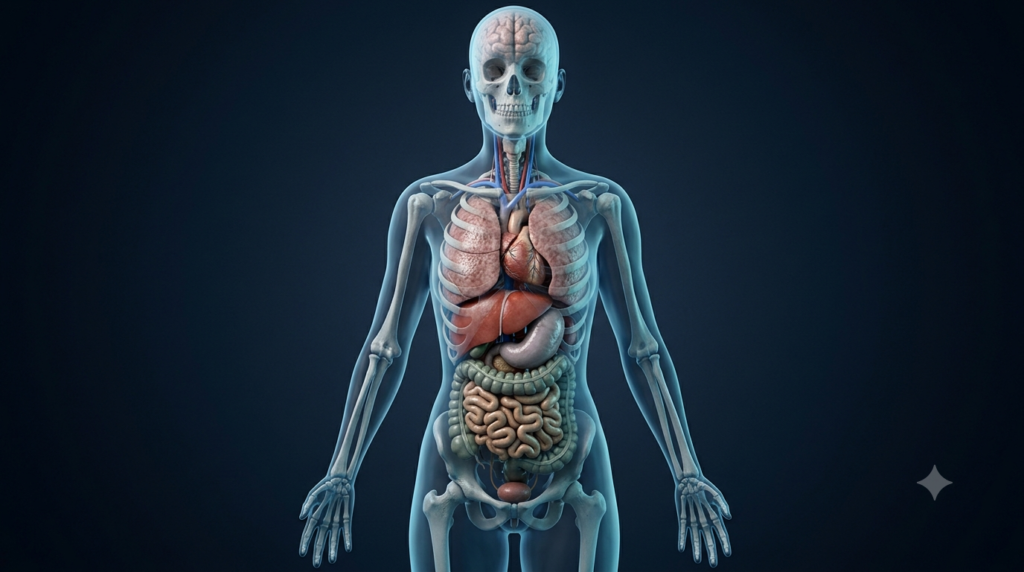
Multicellular organisms contain many cells. Humans, birds, fish, and flowering plants are examples. In these organisms, cells often specialize in particular functions. Muscle cells help produce movement, nerve cells transmit signals, and red blood cells transport oxygen.
Cells contain structures that perform specific functions. The cell membrane regulates the movement of substances into and out of the cell, while genetic material carries information needed for growth, functioning, and reproduction.
A rock may contain minerals arranged in crystals, but these crystals are not biological cells. This fundamental difference helps separate living organisms from non-living matter.
2. Nutrition
Nutrition is the process by which organisms obtain and use materials needed for energy, growth, repair, and maintenance.
Different organisms obtain nutrients in different ways. Green plants generally make their own food through photosynthesis. During this process, they use light energy to convert carbon dioxide and water into sugars, releasing oxygen as a by-product.
Animals cannot usually make their own food from simple inorganic substances through photosynthesis. Instead, they obtain nutrients by consuming plants, other animals, or other organic material.
Fungi commonly absorb nutrients from their surroundings after breaking down organic matter. Many bacteria also obtain nutrients through absorption, although their nutritional methods vary.
Non-living objects do not carry out nutrition. A table does not consume food to repair its structure, and a stone does not obtain nutrients for biological growth.
3. Respiration
Respiration is a set of chemical reactions through which cells release usable energy from nutrients. This energy supports activities such as movement, growth, transport of substances, and the maintenance of cellular functions.
In many organisms, cellular respiration uses oxygen to break down glucose and release energy. However, some organisms can release energy through processes that do not require oxygen.
It is important to distinguish breathing from cellular respiration. Breathing is the physical movement of air into and out of respiratory organs, while cellular respiration involves chemical reactions inside cells.
Fish obtain oxygen from water through their gills, insects use a system of air tubes, and plants exchange gases through structures such as stomata and other surfaces. All these organisms require energy for their cellular activities, although the details of their energy-producing processes vary.
Non-living things do not carry out cellular respiration. A burning piece of wood releases energy through combustion, but combustion is not a biological process.
4. Growth and Development
Living things grow and develop during their life cycles. Growth generally involves an increase in size, cell number, cell size, or biological material. Development includes changes in structure and function as an organism progresses through different stages of life.
A seed can germinate and develop into a seedling, which may eventually become a mature plant. A human develops from a fertilized egg through stages of embryonic development, childhood, adolescence, and adulthood.
Animals may undergo significant changes in body form during development. For example, a caterpillar transforms into a butterfly through metamorphosis.
Non-living objects can also increase in size, but the process is different. A crystal may become larger when additional material accumulates on its surface. A balloon expands when air is added to it. These changes do not involve the organized cellular processes responsible for biological growth.
Therefore, growth alone is not enough to identify a living thing. The way growth occurs must also be considered.
5. Movement
Movement is another characteristic commonly associated with living organisms. Animals often move from one place to another to find food, escape danger, reproduce, or reach suitable environmental conditions.
Birds fly, fish swim, and many mammals walk or run. Some microorganisms move using structures such as flagella or cilia.
Plants also exhibit movement, although they usually remain rooted in one place. Sunflowers and other plants can change their orientation in response to light, while climbing plants may wrap around suitable supports. Some plant parts also move in response to touch or changes in water pressure within their cells.
Not all living things show obvious external movement. Many plants remain stationary, and certain microorganisms move very slowly or only under specific conditions.
Non-living objects may move when pushed, pulled, powered, or affected by natural forces. A rolling stone moves because of gravity and other physical forces, not because it independently performs a biological activity.
6. Sensitivity and Response to Stimuli
Living organisms can detect and respond to changes in their surroundings. These changes are called stimuli, and they may include light, temperature, touch, sound, chemicals, gravity, and the availability of water.
Humans withdraw their hands from dangerously hot surfaces, while pupils change size in response to light. These responses help the body adjust to changing conditions.
Plants also respond to stimuli. Their roots often grow toward areas with suitable moisture, and their shoots commonly grow toward light. These responses help plants obtain resources needed for survival.
Microorganisms can also respond to environmental conditions. Some bacteria move toward useful chemicals or away from harmful substances.
Non-living objects may change when exposed to external conditions, but they do not normally detect stimuli and coordinate biological responses. For example, metal expands when heated, but this is a physical response caused by temperature rather than a life process.
7. Excretion
Living organisms produce waste materials during metabolism, the collection of chemical reactions that occur within cells. Excretion is the removal of metabolic waste products and other substances that must be eliminated from the body.
Humans remove carbon dioxide through the lungs and eliminate substances such as urea through the kidneys. The skin also releases small amounts of waste substances in sweat.
Plants eliminate certain waste products through processes such as diffusion, storage in tissues, and the loss of leaves or other plant parts. The specific mechanisms differ from those found in animals.
Single-celled organisms can remove some waste substances directly across their cell membranes.
Non-living objects do not produce metabolic waste because they do not carry out metabolism. Waste produced by a machine, such as exhaust gases from an engine, results from fuel combustion rather than cellular metabolism.
8. Reproduction
Reproduction is the biological process through which organisms produce new individuals of the same species. It helps maintain populations and allows genetic information to pass from one generation to the next.
Reproduction occurs in different ways. In asexual reproduction, a single parent produces offspring without the fusion of reproductive cells. Many bacteria reproduce through binary fission, while some plants can reproduce through vegetative propagation.
Sexual reproduction generally involves the fusion of reproductive cells called gametes. Humans, many animals, and many plants reproduce sexually.
Reproduction is a defining characteristic of living systems at the species level, but an individual organism does not need to reproduce to be considered alive. A sterile animal or a person who cannot have children is still a living organism.
Non-living things do not reproduce biologically. A machine can be manufactured to create copies of itself, but this process depends on external systems, materials, and energy rather than independent biological reproduction.
9. Metabolism
Metabolism refers to all the chemical reactions that occur within a living organism. These reactions allow organisms to obtain energy, build necessary substances, break down materials, and maintain their cells.
Metabolism includes two broad types of reactions. Anabolism involves building larger or more complex substances from smaller components. Catabolism involves breaking down substances into simpler ones, often releasing usable energy.
For example, cells build proteins from amino acids, while cellular respiration breaks down nutrients to make energy available for cellular activities.
Metabolic reactions are coordinated through enzymes and other cellular systems. These reactions are essential for maintaining life.
Non-living objects may undergo chemical reactions, such as rusting or burning, but these reactions do not constitute metabolism. Metabolism is specifically associated with the organized chemical activities of living systems.
10. Homeostasis
Homeostasis is the ability of an organism to maintain relatively stable internal conditions despite changes in its external environment.
The human body regulates temperature, blood glucose, water balance, and other internal conditions. When body temperature rises, sweating helps remove heat. When it falls, shivering helps generate heat.
Plants also regulate internal conditions. They control water loss through the opening and closing of stomata and use other physiological mechanisms to manage water and nutrients.
Homeostasis does not mean that internal conditions remain perfectly constant. Instead, organisms maintain them within suitable ranges.
Non-living objects do not independently regulate internal conditions through coordinated biological systems. A thermostat-controlled machine can maintain a stable temperature, but it relies on an engineered control system rather than biological homeostasis.
11. Adaptation and Evolution
Living populations change over generations through evolution. Adaptations are inherited characteristics that improve an organism’s ability to survive and reproduce in a particular environment.
For example, the thick fur of polar bears helps reduce heat loss in cold environments. Cacti have adaptations that help them conserve water in dry habitats. The streamlined bodies of many aquatic animals reduce resistance as they move through water.
Adaptations develop across generations through evolutionary processes, including natural selection. Individual organisms may also adjust their behavior or physiology in response to environmental conditions, but such changes are not necessarily inherited.
Non-living objects do not evolve biologically through reproduction and inheritance. A rock may gradually change through weathering, and a machine may be redesigned by humans, but these processes are different from biological evolution.
How Living Things Differ from Non-Living Things
The main differences between living and non-living things can be understood by comparing their organization and activities.
| Characteristic | Living Things | Non-Living Things |
|---|---|---|
| Cellular organization | Made up of one or more cells | Do not consist of biological cells |
| Nutrition | Obtain or produce nutrients | Do not carry out biological nutrition |
| Respiration | Carry out cellular energy-releasing processes | Do not perform cellular respiration |
| Growth | Grow through biological processes | May change size through physical or chemical processes |
| Movement | Show biological movement or internal movement | Move when affected by forces or external systems |
| Response to stimuli | Detect and respond through biological mechanisms | Change according to physical or chemical conditions |
| Excretion | Remove metabolic waste | Do not produce metabolic waste through life processes |
| Reproduction | Organisms can reproduce as part of their life cycle | Do not reproduce biologically |
| Metabolism | Carry out organized cellular chemical reactions | Do not have biological metabolism |
| Homeostasis | Regulate internal conditions | Do not maintain biological homeostasis |
| Evolution | Populations evolve across generations | Do not undergo biological evolution |
This comparison shows that no single characteristic is always sufficient to distinguish living from non-living things. A moving car, for example, can move and use energy, but it does not have cells or carry out biological metabolism. A crystal can grow larger, but its growth is not cellular.
Examples of Living and Non-Living Things
Everyday examples make the differences easier to understand.
Living Things
Humans: Human beings consist of cells and carry out nutrition, respiration, growth, movement, excretion, reproduction, and homeostasis.
Plants: Plants use photosynthesis to produce sugars, grow through cell division and enlargement, respond to light and gravity, and reproduce through seeds or other methods.
Animals: Animals obtain nutrients from food, carry out cellular respiration, respond to stimuli, and display different forms of movement.
Bacteria: Bacteria are unicellular organisms that perform metabolism, respond to environmental conditions, and commonly reproduce through binary fission.
Fungi: Fungi obtain nutrients from organic material, grow, and reproduce through methods that may include spores.
Non-Living Things
Rocks: Rocks do not contain biological cells or carry out metabolism. They may break down through weathering and erosion.
Water: Water is essential for life, but water itself is not a living organism.
Air: Air contains gases required by many organisms, but it does not perform life processes.
Plastic objects: Plastic bottles, containers, and toys do not grow biologically or carry out cellular activities.
Machines: Machines may move, use energy, and respond to programmed instructions, but they do not possess the complete biological organization of living organisms.
Special Cases That Can Cause Confusion
Some examples make the distinction between living and non-living things more complicated.
Seeds
A dry seed may appear lifeless because it shows little visible activity. However, a viable seed contains a living embryo that can begin growing when suitable conditions, such as water, oxygen, and temperature, are available. This inactive condition is called dormancy.
Dormant Animals and Microorganisms
Some organisms enter periods of reduced activity when conditions become unfavorable. Their metabolism may slow significantly, but they remain alive if their biological systems are still viable.
Certain bacteria form resistant structures called endospores, which help them survive harsh conditions. These structures are dormant forms rather than independently reproducing organisms.
Viruses
Viruses are unusual because they possess genetic material and can evolve, but they lack cellular organization and cannot reproduce independently. They must use the machinery of a suitable host cell to make new viruses.
For this reason, viruses are often described as being at the boundary between living and non-living systems. Whether they are classified as living depends on the definition of life being used, but they do not independently carry out all the major life processes associated with cellular organisms.
Fire
Fire may spread, consume fuel, and release energy, making it appear similar to a living thing. However, fire is a combustion process. It does not consist of biological cells, possess genetic material, or carry out metabolism in the biological sense.
These examples demonstrate why scientists examine the overall organization and processes of a system when discussing whether something is alive.
Why Is It Important to Understand the Characteristics of Living Things?
Understanding the characteristics of living things is important for several reasons.
First, it provides a foundation for studying biology. Topics such as cell structure, genetics, ecology, physiology, and evolution depend on understanding what living organisms have in common.
Second, it helps people understand health and disease. Human health depends on the proper functioning of cells, metabolism, homeostasis, and other biological processes. Knowledge of these processes helps explain how infections develop, how the body responds to changes, and how treatments work.
Third, it supports environmental awareness. Recognizing the needs of plants, animals, and microorganisms helps us understand the importance of clean water, suitable habitats, biodiversity, and healthy ecosystems.
Finally, understanding life helps distinguish biological processes from physical and chemical processes. This distinction is useful in medicine, agriculture, biotechnology, environmental science, and many other fields.
Conclusion
Living things possess a combination of characteristics that distinguish them from non-living things. These include cellular organization, nutrition, respiration, growth, movement, response to stimuli, excretion, reproduction, metabolism, homeostasis, and the capacity of populations to evolve. Although individual organisms may not display every characteristic visibly at all times, their overall biological organization helps scientists identify life.
Non-living things may move, grow in size, change, or use energy, but they do not independently perform the complete set of biological processes found in living organisms. Special cases such as dormant seeds and viruses show that defining life requires careful consideration of several characteristics together.
By learning how living things function and how they differ from non-living matter, we gain a clearer understanding of biology and the natural world. This knowledge also helps us appreciate the complexity of life and the importance of protecting the organisms and ecosystems on which life depends.
FAQs
1. What are the main characteristics of living things?
The main characteristics of living things include cellular organization, nutrition, respiration, growth, movement, sensitivity, excretion, reproduction, metabolism, and homeostasis. Living organisms are made up of one or more cells and carry out biological processes necessary for survival. They obtain or produce nutrients, release energy through cellular reactions, respond to environmental changes, and maintain suitable internal conditions. Living populations can also evolve over generations through changes in inherited characteristics. Not every organism displays all these characteristics visibly at every moment. For example, dormant seeds show little activity but remain alive. Scientists consider several characteristics together when identifying living things.
2. What is the difference between living and non-living things?
Living things are organisms that possess biological organization and carry out life processes, while non-living things do not independently perform these processes. Plants, animals, fungi, and bacteria are examples of living things. Rocks, water, air, and plastic objects are examples of non-living things. Living organisms generally consist of cells, perform metabolism, grow biologically, and respond to their surroundings through biological mechanisms. Non-living objects may move, change shape, or increase in size because of physical or chemical processes. For example, a plant grows through cellular activities, whereas a crystal grows when additional material accumulates on its surface.
3. Why are cells important for living organisms?
Cells are important because they are the basic structural and functional units of life. They perform essential activities, including obtaining nutrients, producing usable energy, removing waste, and maintaining internal conditions. Some organisms, such as bacteria, consist of a single cell that carries out all necessary life functions. Other organisms, including humans and trees, contain many specialized cells that perform different tasks. These cells work together to form tissues, organs, and organ systems. Cells also contain genetic material that provides instructions for biological activities and reproduction. Without cellular organization, an organism cannot perform the fundamental processes associated with cellular life.
4. Do all living things move from one place to another?
No, not all living things move from one place to another. Many animals, including birds, fish, and mammals, move to find food, escape danger, and reproduce. However, plants generally remain fixed in one location because their roots anchor them to the ground. Despite this, plants show movement through growth and changes in their cells. For example, shoots often grow toward light, and some climbing plants wrap around supporting structures. Certain microorganisms also move using specialized structures. Therefore, movement does not always mean traveling from one location to another. Internal movement and responses to environmental conditions are also important features of living organisms.
5. Why is respiration necessary for living things?
Respiration is necessary because it makes energy available for the activities of living cells. During cellular respiration, organisms break down nutrients through chemical reactions to release usable energy. This energy supports growth, movement, repair, reproduction, and the transport of substances across cell membranes. Many organisms use oxygen during cellular respiration, while some microorganisms can obtain energy through processes that do not require oxygen. Respiration should not be confused with breathing. Breathing moves air into and out of respiratory organs, whereas cellular respiration occurs through chemical reactions inside cells. Non-living objects do not perform cellular respiration because they lack biological cellular systems.
6. What is the difference between growth in living and non-living things?
Growth in living organisms occurs through biological processes, including cell division, cell enlargement, and the production of new cellular materials. For example, a young plant grows by producing new cells and developing roots, stems, and leaves. Animals also grow as their cells develop and their bodies change. In contrast, non-living objects may increase in size through physical processes. A crystal becomes larger when additional material accumulates on its surface, while a balloon expands when air enters it. These changes are not biological growth. Therefore, an increase in size alone does not prove that something is alive; the process responsible for growth must also be considered.
7. What is metabolism, and why is it important?
Metabolism refers to the collection of chemical reactions that occur within living organisms. These reactions allow cells to obtain energy, build essential substances, break down nutrients, and maintain their structures. Metabolism includes anabolism, which builds complex substances from simpler ones, and catabolism, which breaks down substances and often releases energy. For example, cells build proteins from amino acids and break down nutrients during cellular respiration. Enzymes help control and accelerate many metabolic reactions. Metabolism is essential because living organisms need a continuous supply of energy and materials to survive. Non-living objects can undergo chemical reactions, but these reactions are not biological metabolism.
8. What is homeostasis in living things?
Homeostasis is the ability of living organisms to maintain relatively stable internal conditions despite changes in their surroundings. It helps keep important factors, such as temperature, water balance, and blood glucose levels, within suitable ranges. For example, when the human body becomes too hot, sweating helps release heat and cool the body. When blood glucose levels change, hormones help regulate them. Plants also maintain internal balance by controlling water loss through structures such as stomata. Homeostasis does not mean that internal conditions never change. Instead, organisms continuously regulate these conditions to support normal cellular functioning and survival in different environments.
9. Are viruses living or non-living things?
Viruses occupy an unusual position in the discussion of living and non-living things. They contain genetic material and can evolve, but they do not have cellular organization and cannot reproduce independently. To produce new viruses, they must enter suitable host cells and use the host’s cellular machinery. Outside a host cell, viruses do not carry out the full range of metabolic activities associated with cellular life. Because they possess some characteristics associated with life but lack others, their classification remains a subject of scientific discussion. Viruses are commonly described as being at the boundary between living and non-living systems.
10. Why is reproduction considered a characteristic of living things?
Reproduction is considered a characteristic of living things because it allows organisms to produce new individuals and pass genetic information to the next generation. It helps maintain populations and supports the continuation of species. In asexual reproduction, a single parent produces offspring, as occurs in many bacteria. Sexual reproduction generally involves the fusion of reproductive cells, as in humans and many other organisms. However, an individual organism does not need to reproduce to be considered alive. For example, a sterile animal remains a living organism because it carries out other essential life processes. Reproduction is therefore important when understanding life at the level of organisms and populations.