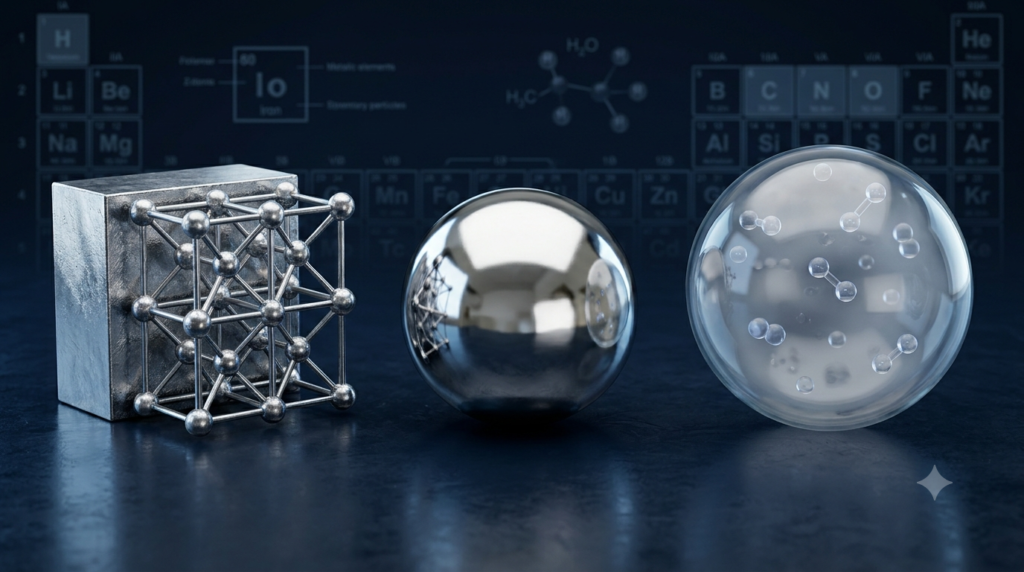
Physical States of Elements in the Periodic Table
The periodic table contains 118 known chemical elements, and each element has its own physical and chemical properties. One important
Chemistry is the study of matter, its properties, composition, structure, and the changes it undergoes. This category covers essential chemistry concepts for students, learners, and general readers, from basic principles to important chemical processes. Explore topics such as atoms and molecules, elements and compounds, the periodic table, chemical reactions, chemical bonding, acids and bases, solutions, organic and inorganic chemistry, thermochemistry, and more. Learn about important chemistry formulas, laws, experiments, laboratory concepts, and real-life applications through clear and easy-to-understand explanations. Whether you are learning chemistry basics or strengthening your understanding of advanced concepts, this section provides useful educational resources for effective learning.
The periodic table contains 118 known chemical elements, and each element has its own physical and chemical properties. One important
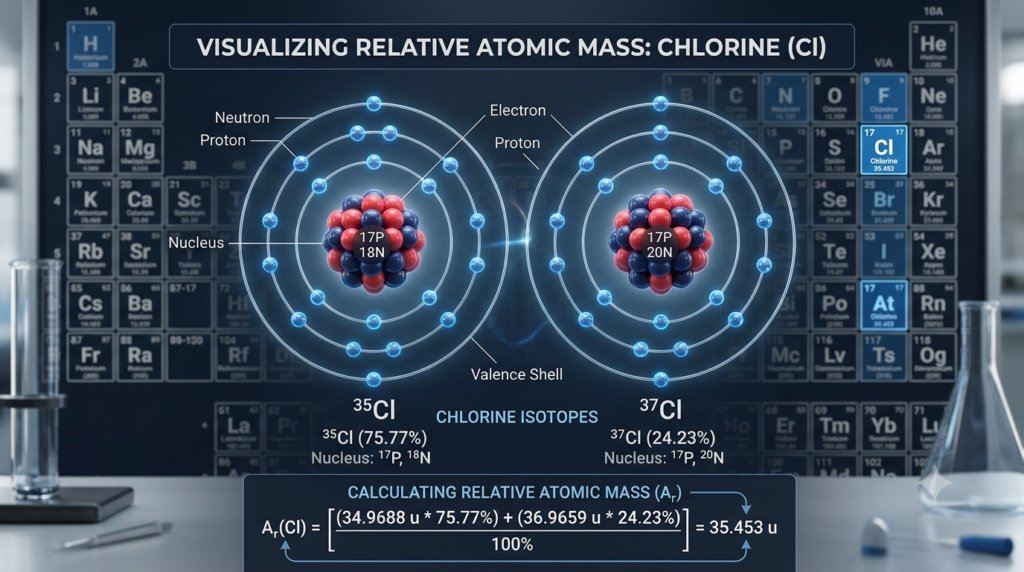
Every element in the periodic table has a unique atomic number and an atomic mass. While the atomic number tells
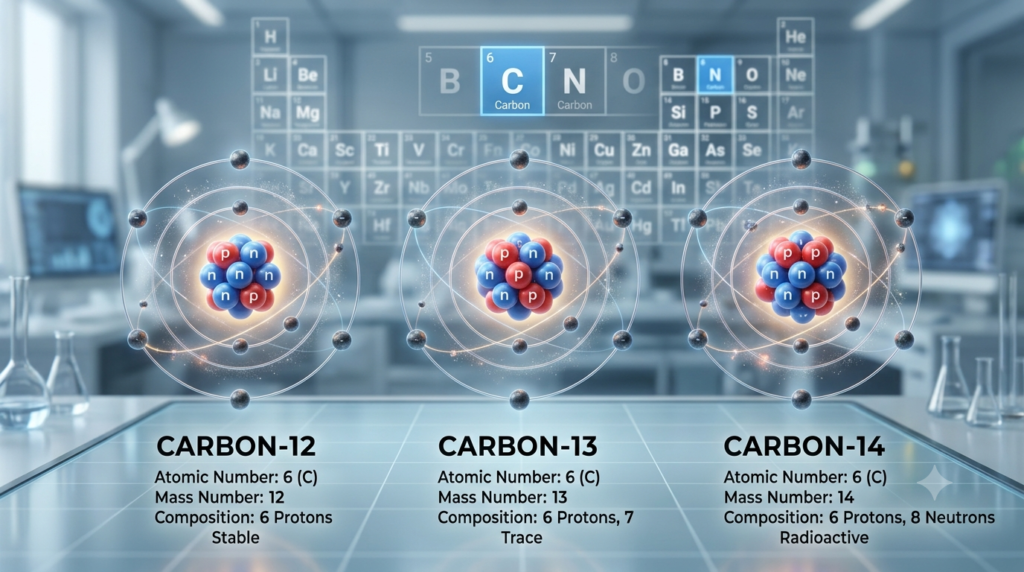
Atoms are the basic building blocks of all matter. Every chemical element consists of atoms that contain protons, neutrons, and
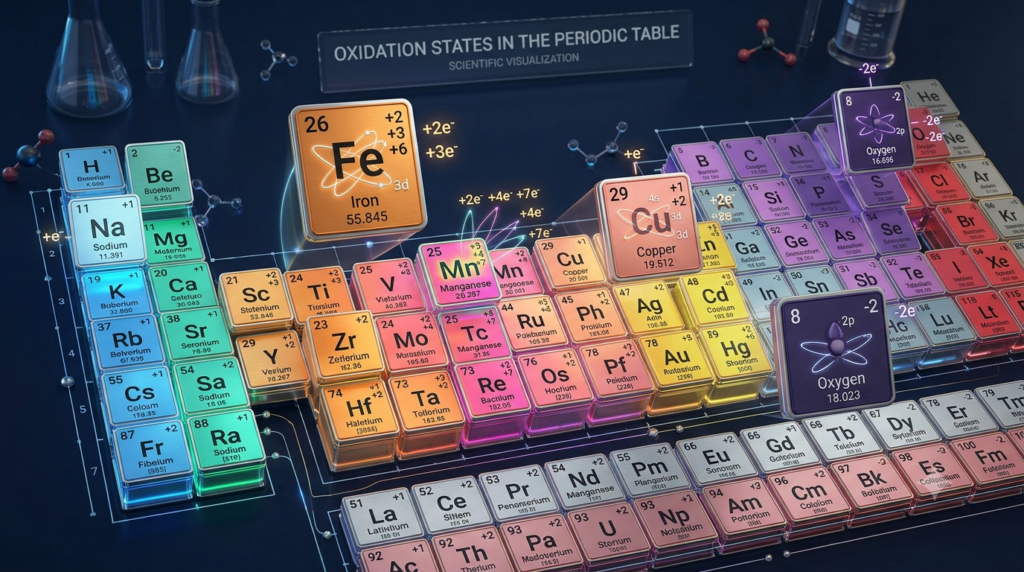
Oxidation state is an important concept in chemistry that helps us understand how atoms behave when they form chemical compounds
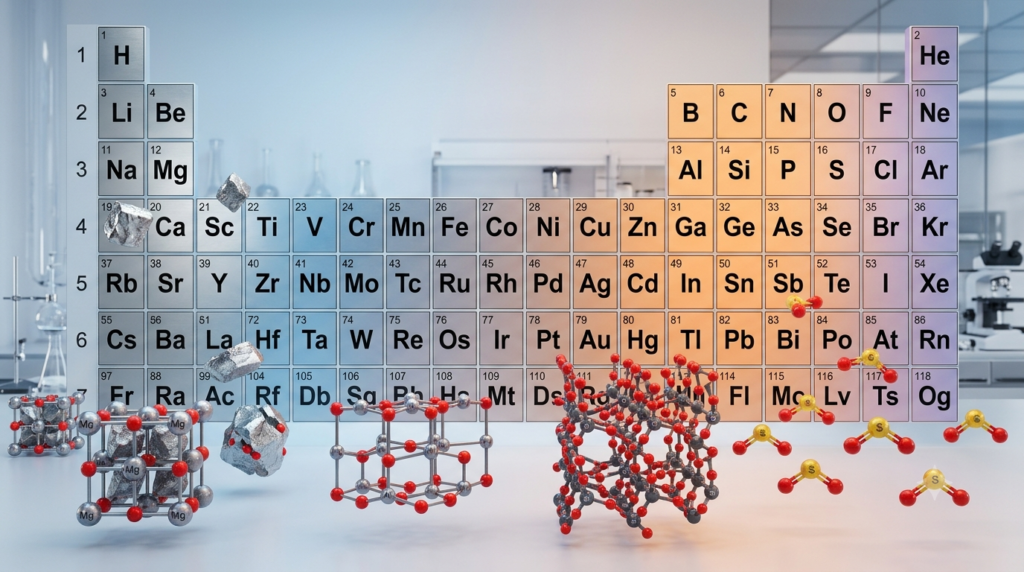
Oxides are among the most common and important compounds in chemistry. They are formed when oxygen combines with another element,
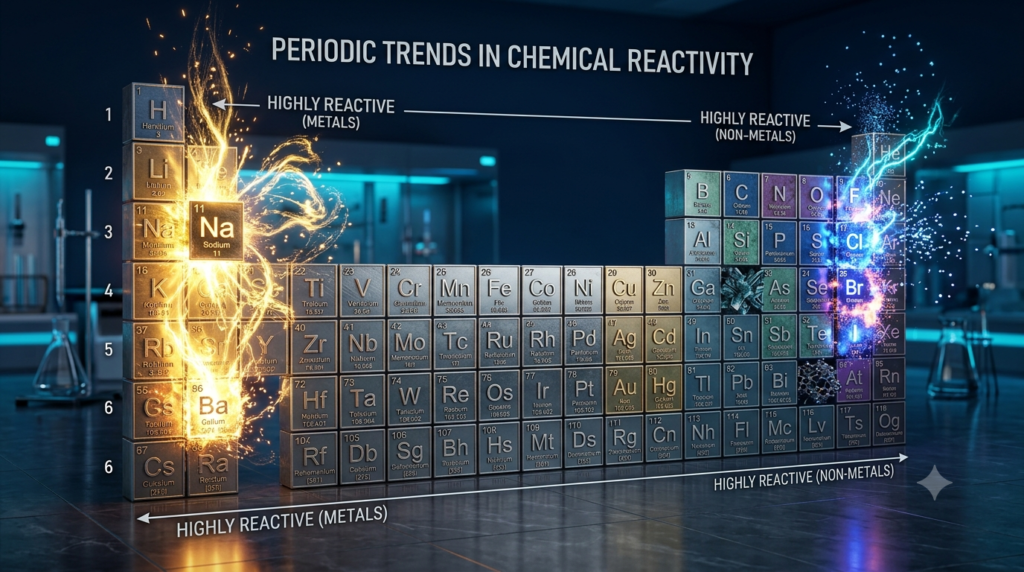
The periodic table is one of the most important tools in chemistry because it helps us understand and predict the
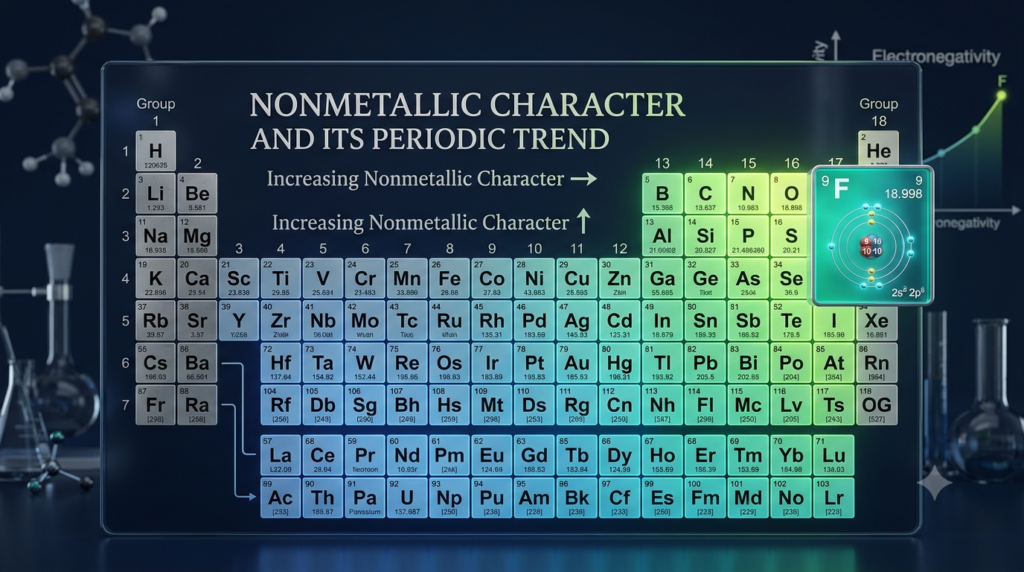
Elements in the periodic table are generally classified into three major categories: metals, nonmetals, and metalloids. Metals usually lose electrons
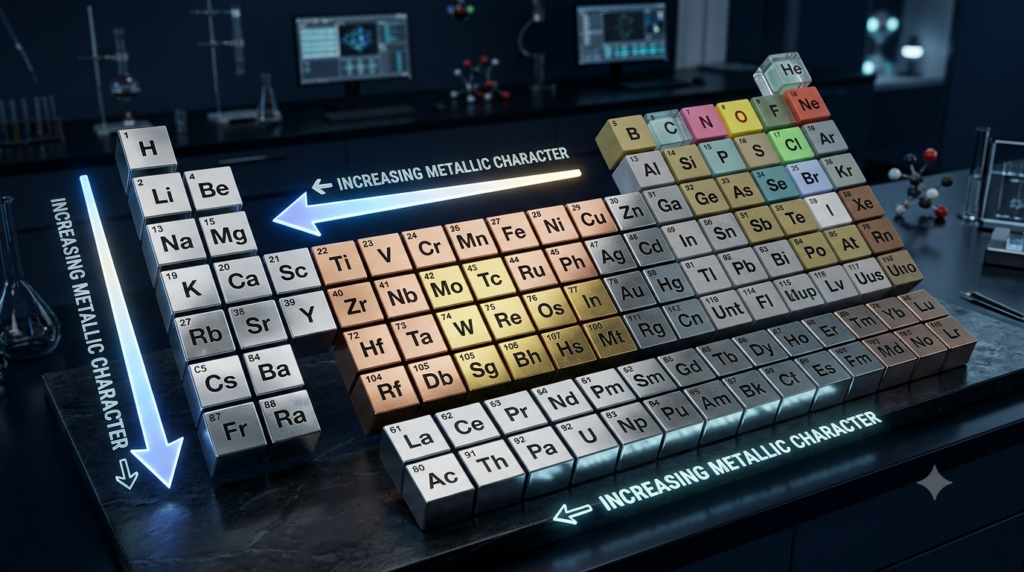
The periodic table organizes elements according to their atomic numbers and chemical properties. One of the important properties used to
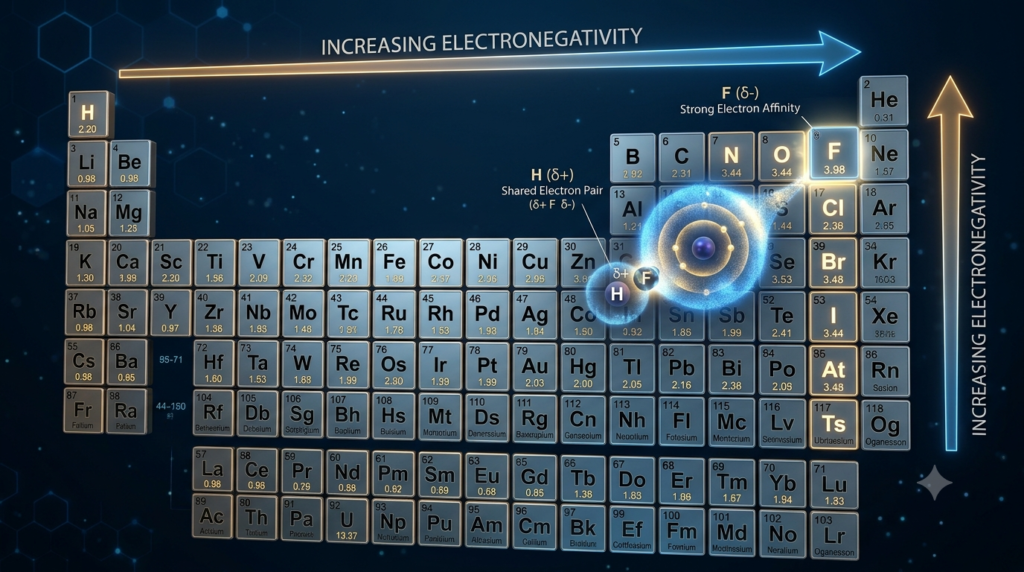
Electronegativity is one of the most important concepts in chemistry because it helps explain how atoms attract shared electrons when
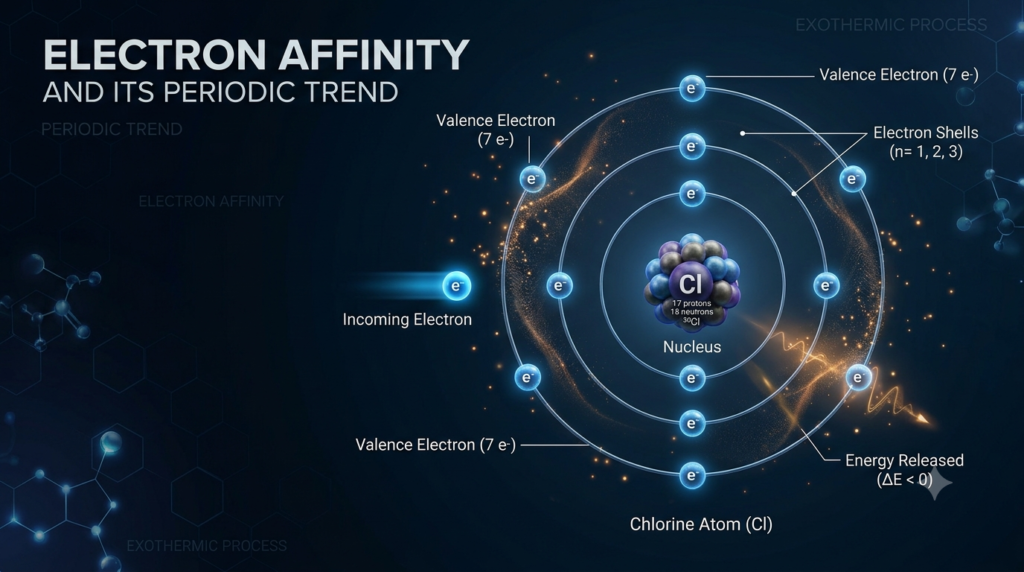
Atoms are constantly involved in chemical reactions, and their ability to gain or lose electrons plays an important role in
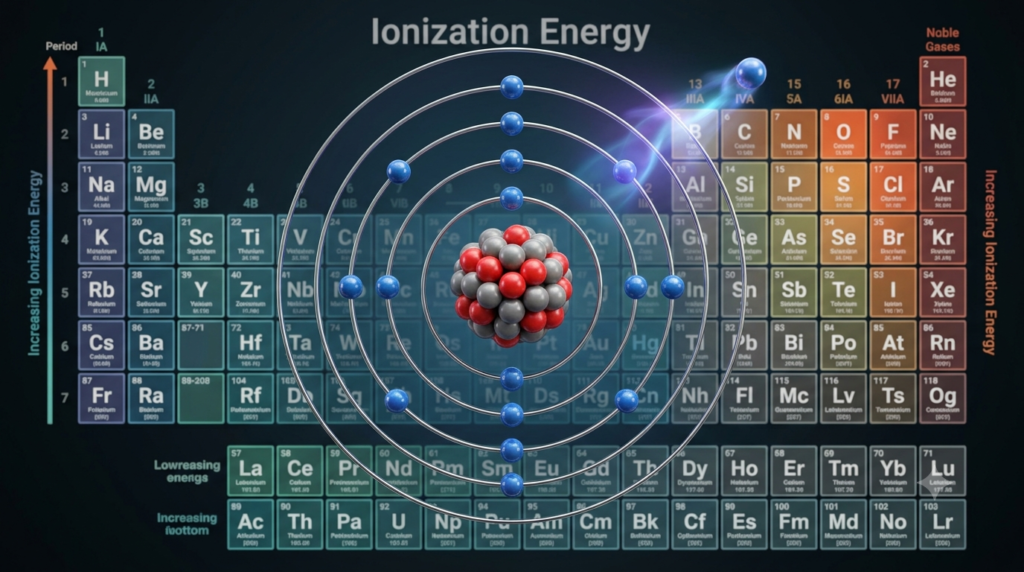
Ionization energy is one of the most important concepts in chemistry because it helps explain how atoms lose electrons and
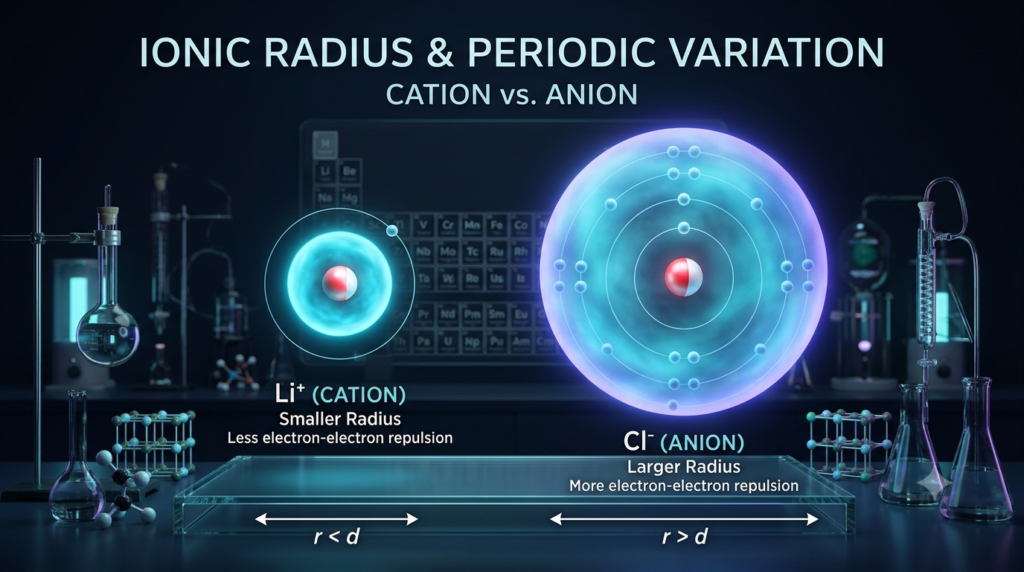
Atoms are made up of protons, neutrons, and electrons. When an atom gains or loses electrons, it becomes an electrically
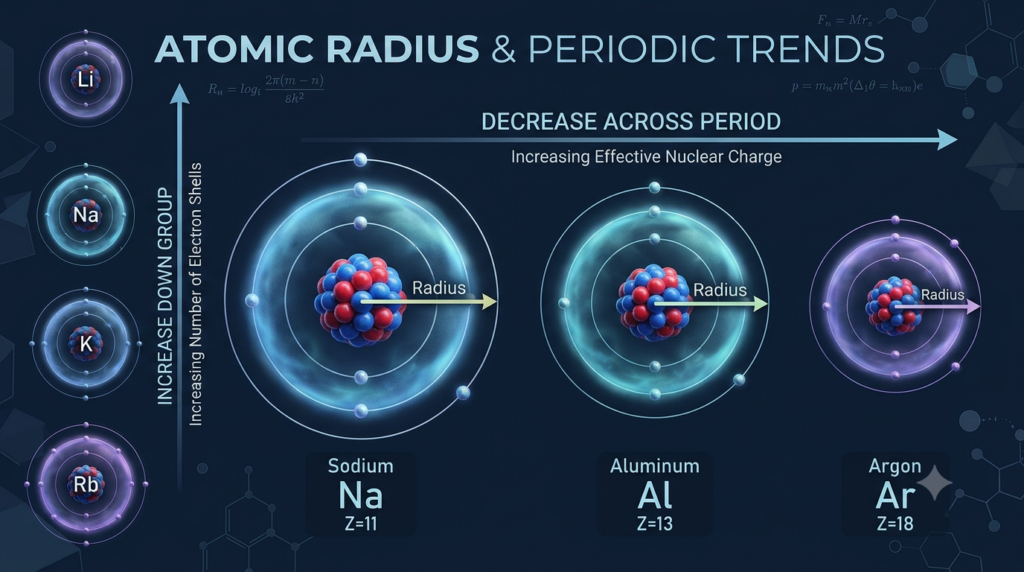
Atomic radius is an important concept in chemistry that helps us understand the size of atoms and how their sizes
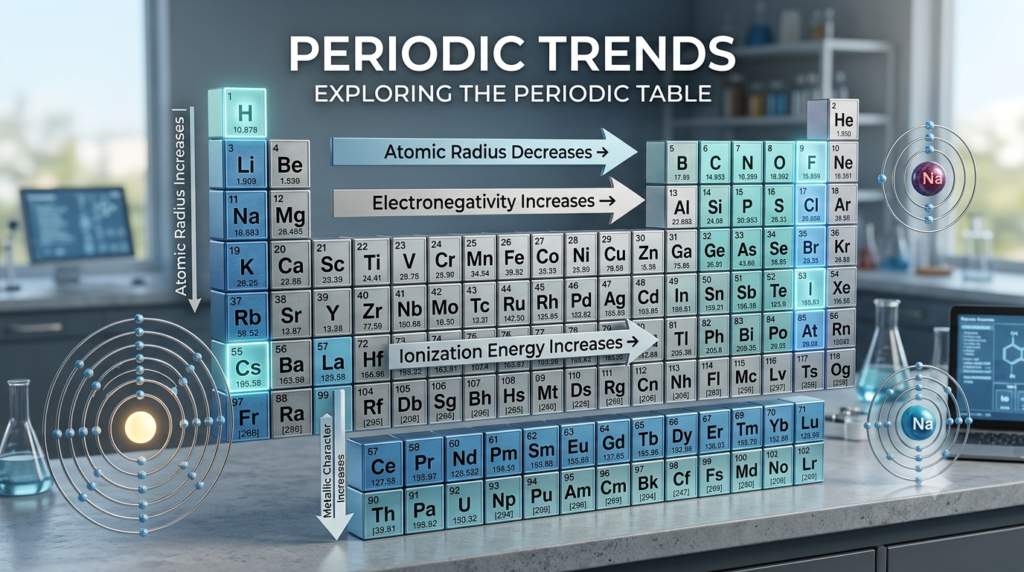
The periodic table is one of the most important tools in chemistry. It organizes all known chemical elements according to
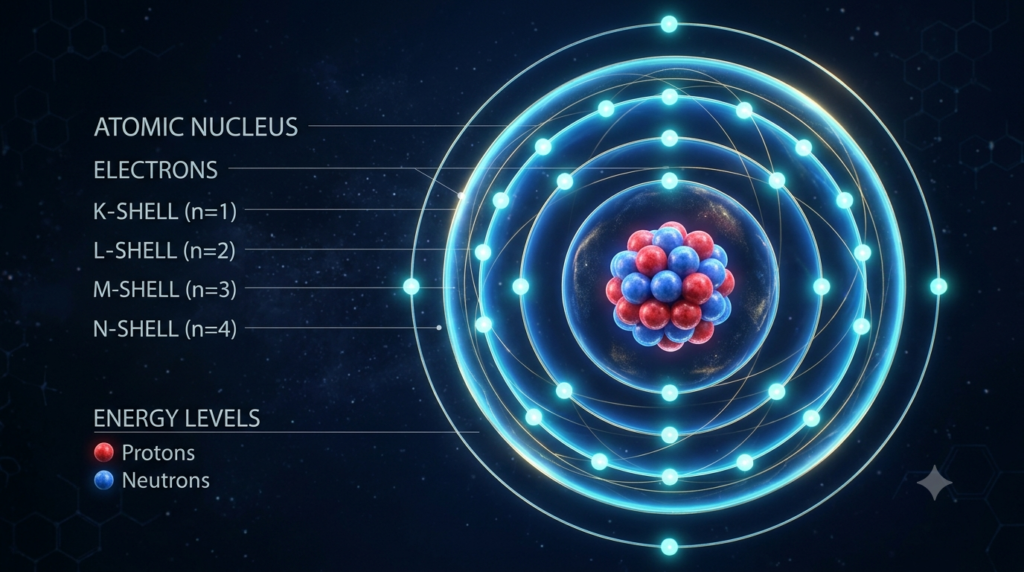
Atoms are the basic building blocks of matter. Every atom consists of three main subatomic particles: protons, neutrons, and electrons.
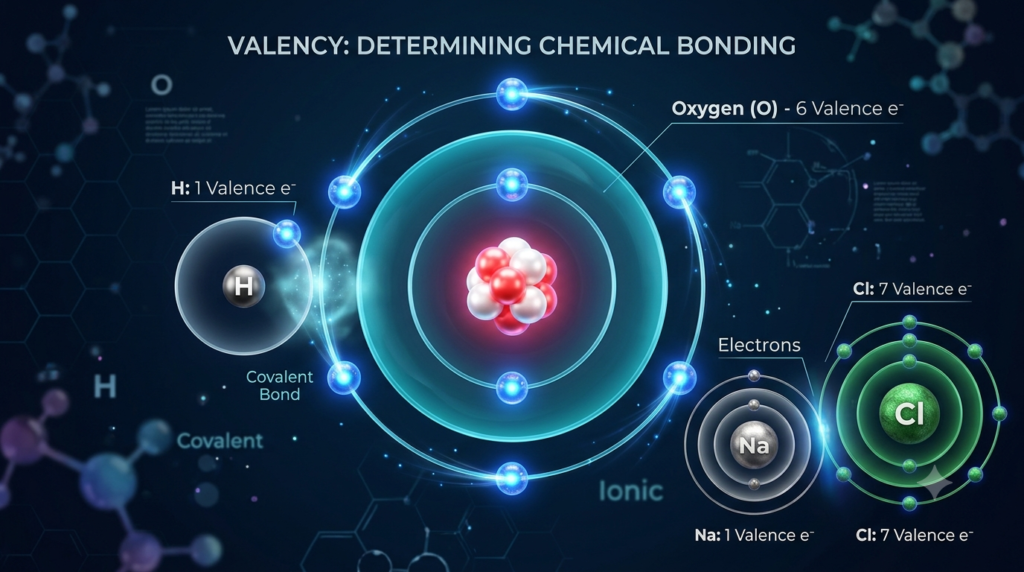
Every element in the periodic table has its own chemical properties and behaviour. Some elements combine easily with other elements,
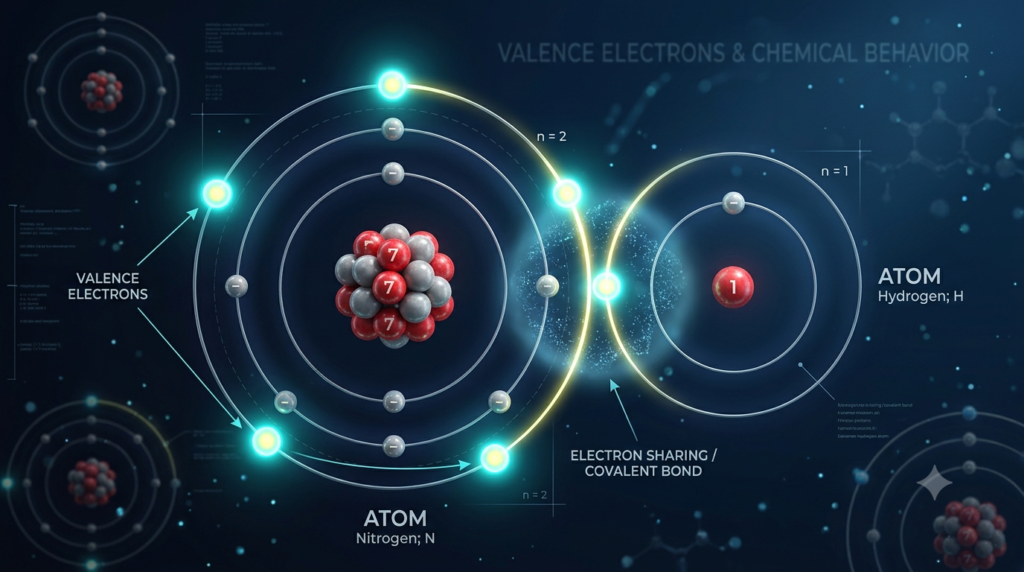
Atoms are the basic building blocks of all matter. Every substance around us, including water, air, metals, minerals, and living
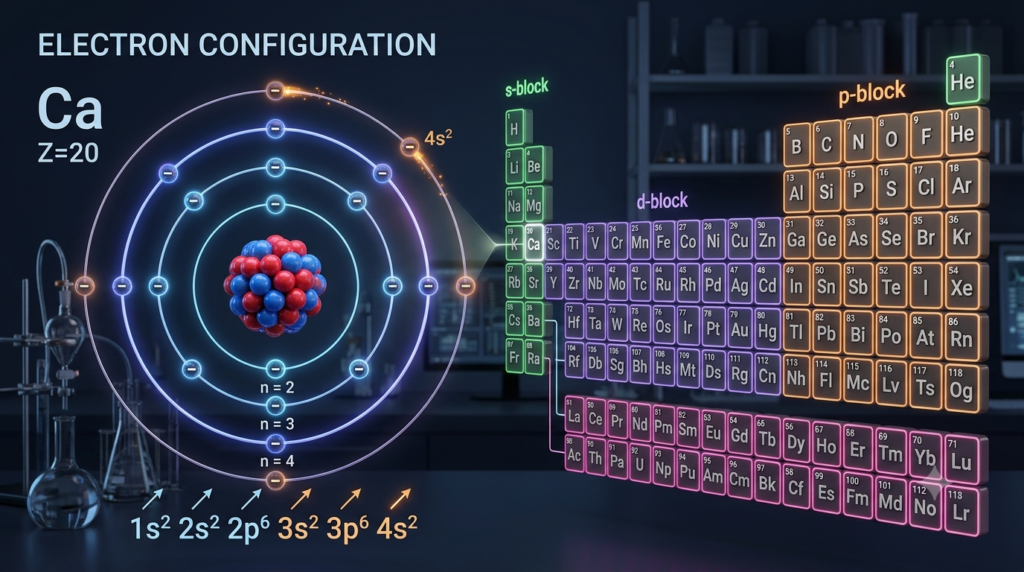
Every atom consists of three main subatomic particles: protons, neutrons, and electrons. While protons determine the identity of an element,
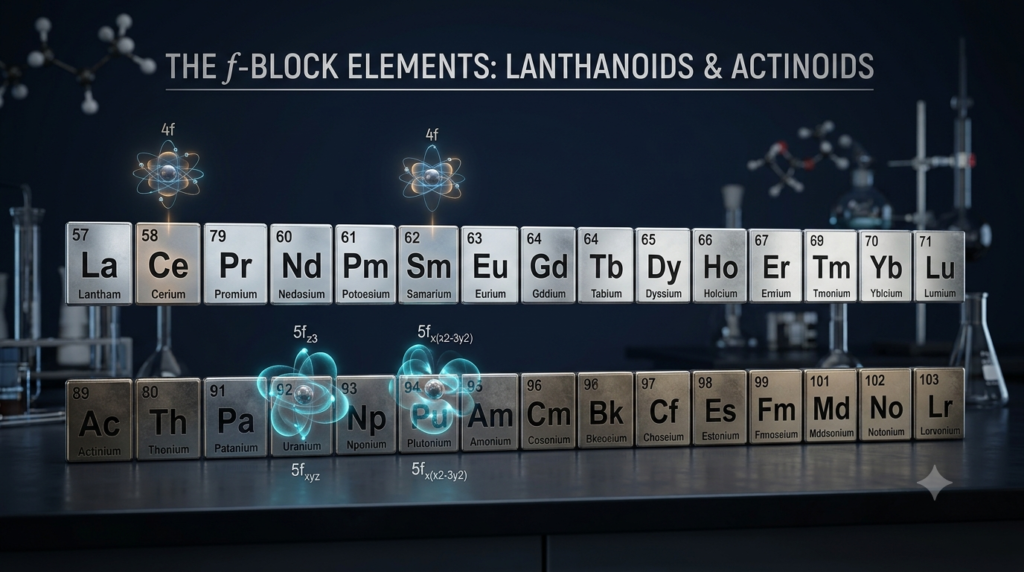
The periodic table is divided into different blocks based on the type of atomic orbital into which the last electron
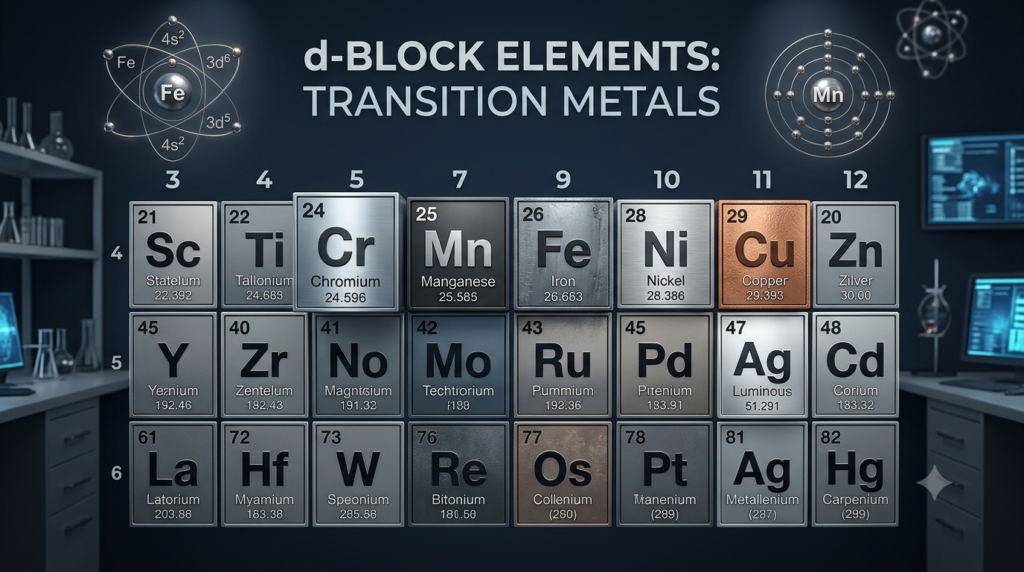
The periodic table is divided into four main blocks: s-block, p-block, d-block, and f-block. These blocks are classified according to
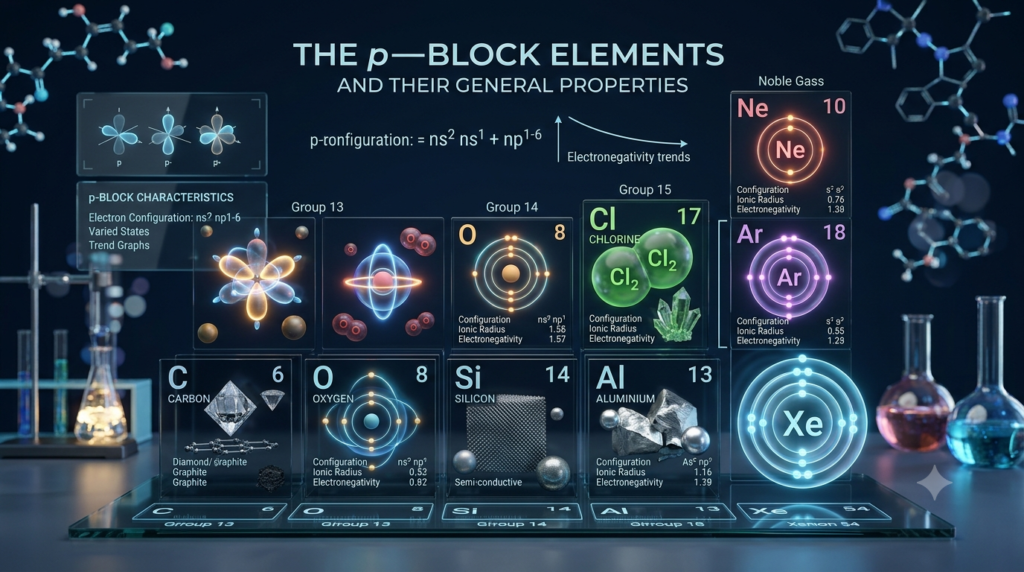
The periodic table is divided into different blocks based on the electronic configuration of elements. These blocks include the s-block,
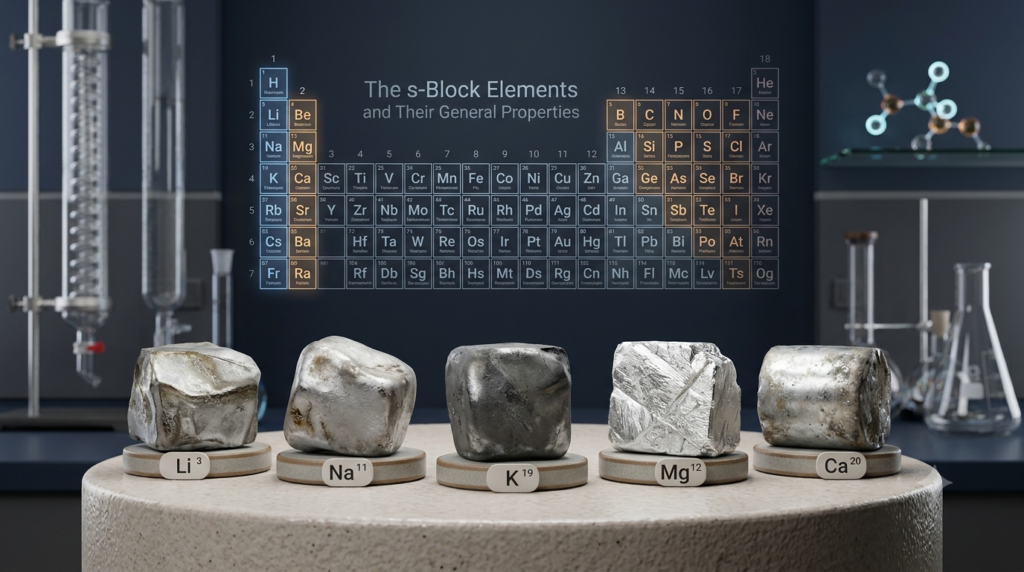
The periodic table is divided into four main blocks based on the type of orbital into which the last electron
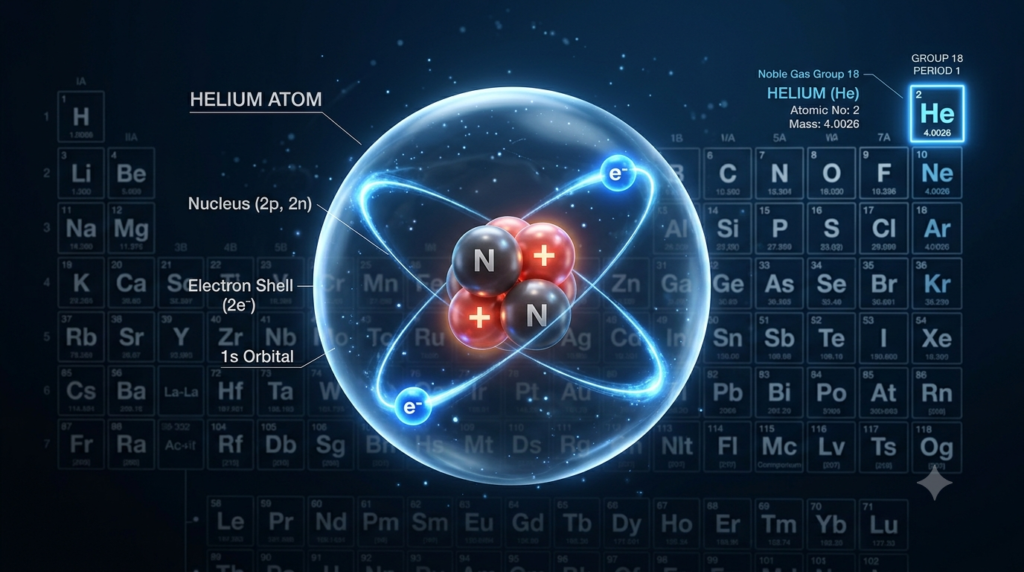
Helium is one of the most interesting elements in the periodic table. It is a colourless, odourless, tasteless, and extremely
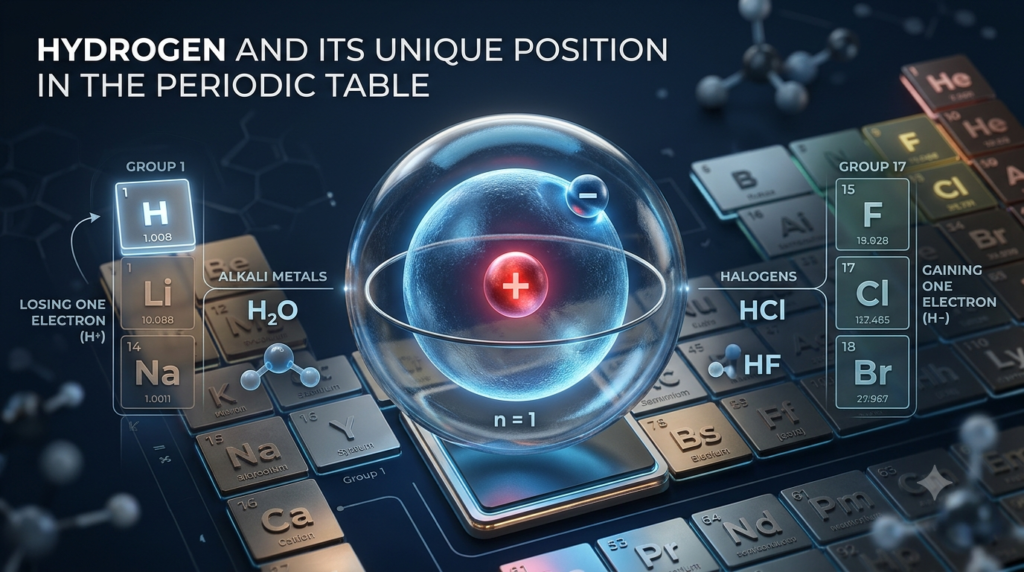
Hydrogen is the first element in the periodic table and has the lowest atomic number of all known elements. Its
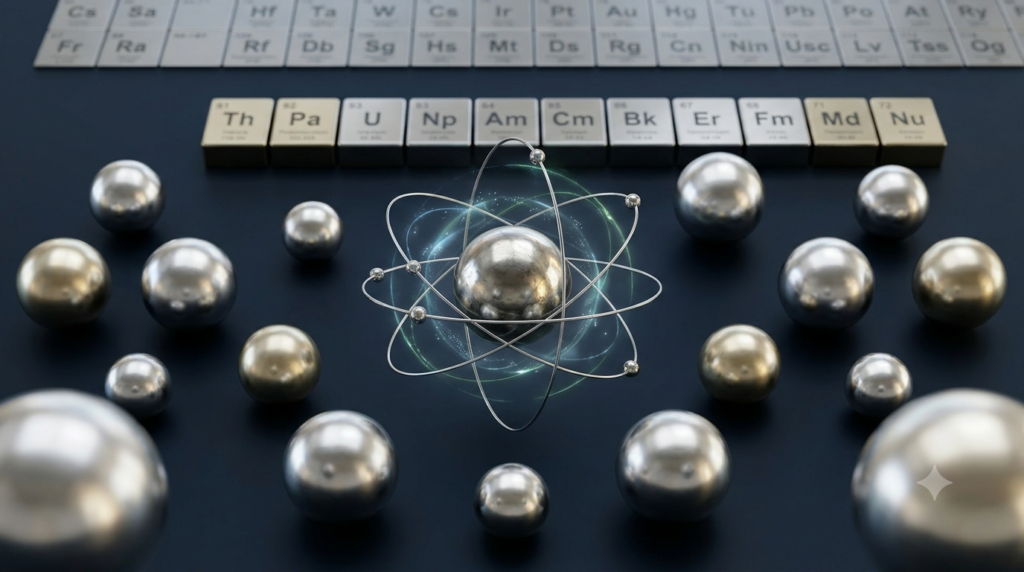
The actinides are a group of metallic chemical elements found in the bottom row of the periodic table, below the
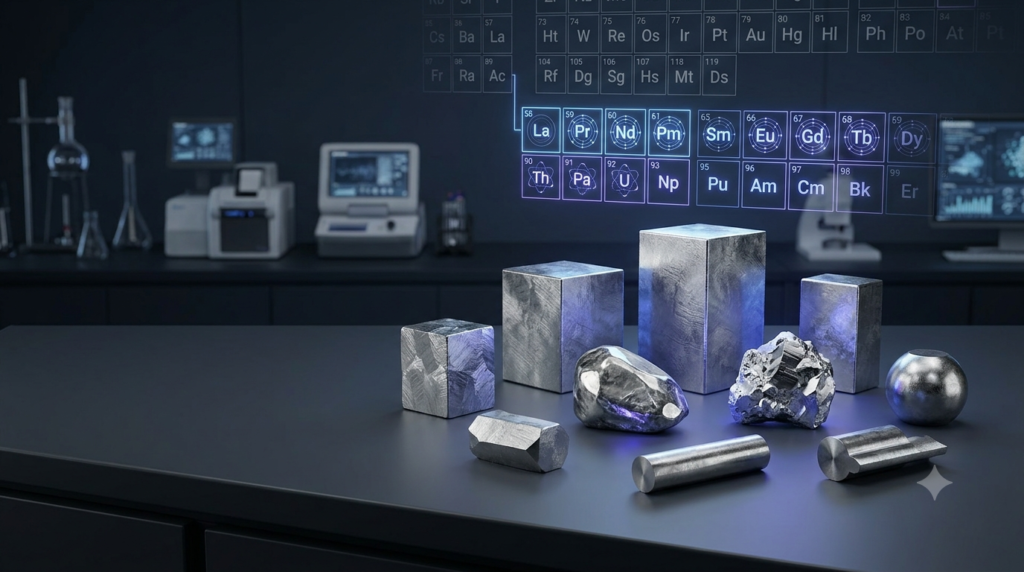
Lanthanides are a group of 15 metallic chemical elements found in the periodic table, ranging from Lanthanum (La) with atomic
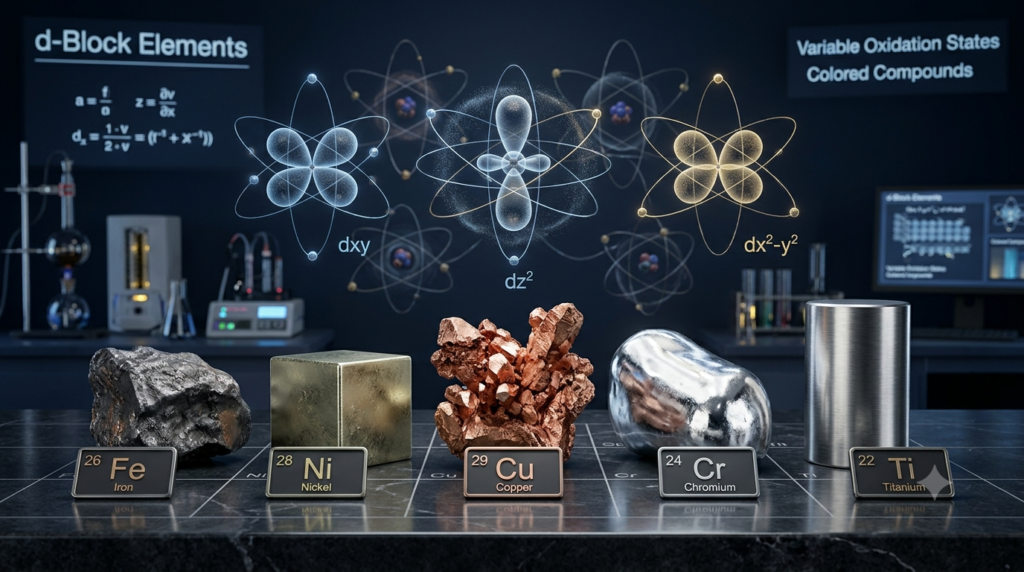
Transition elements are an important group of metals in the periodic table. They are known for their unique physical and
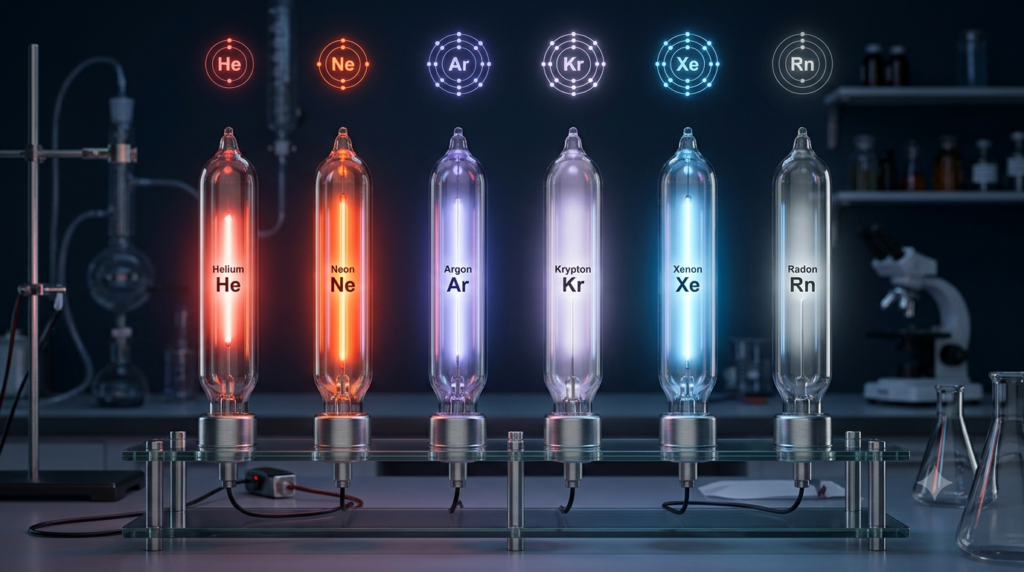
Noble gases are a group of chemical elements known for their extremely low chemical reactivity and unique physical properties. They
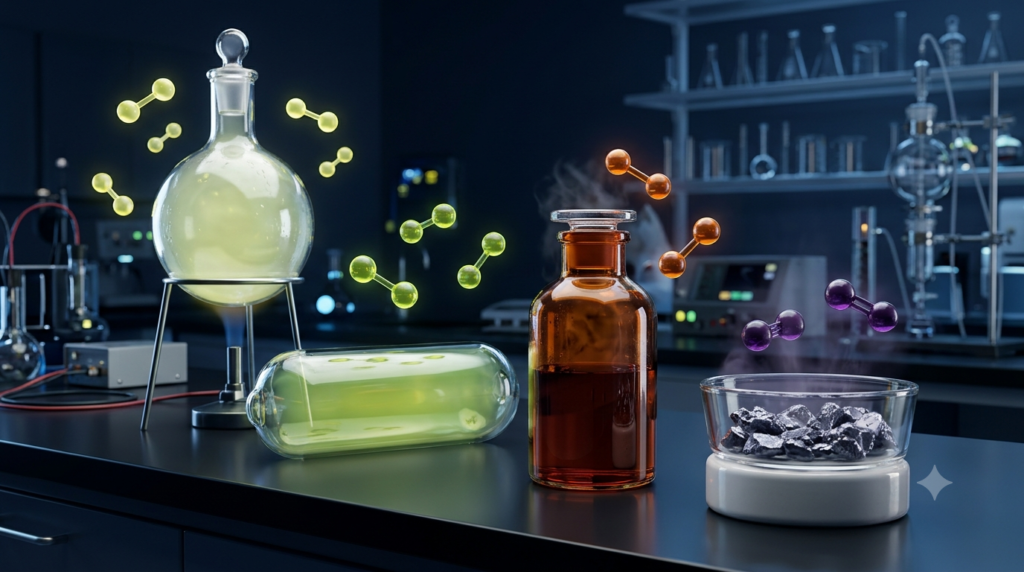
Halogens are a group of highly reactive non-metallic elements found in Group 17 of the periodic table. The word halogen
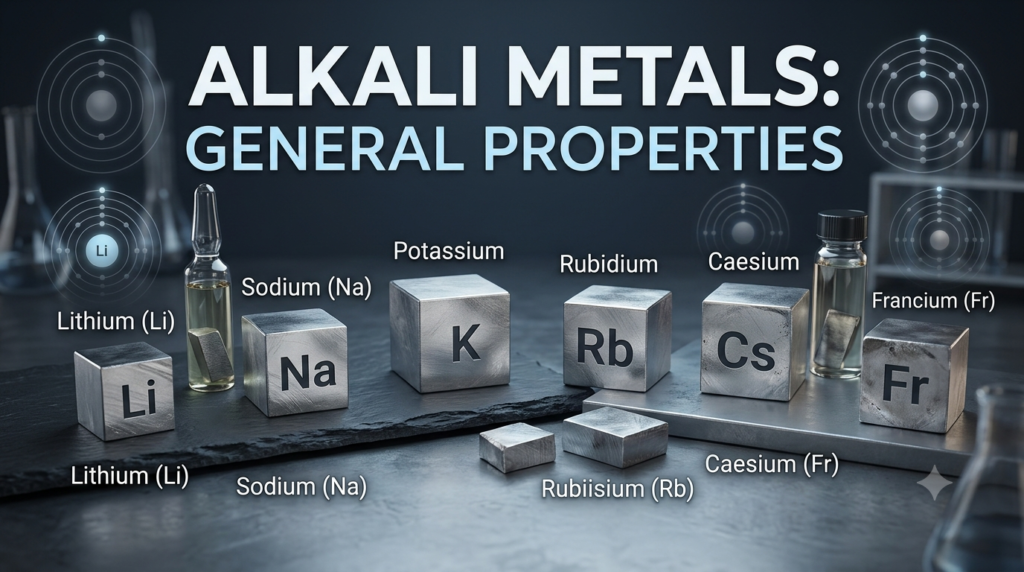
Alkali metals are a group of highly reactive metallic elements found in Group 1 of the periodic table. They include
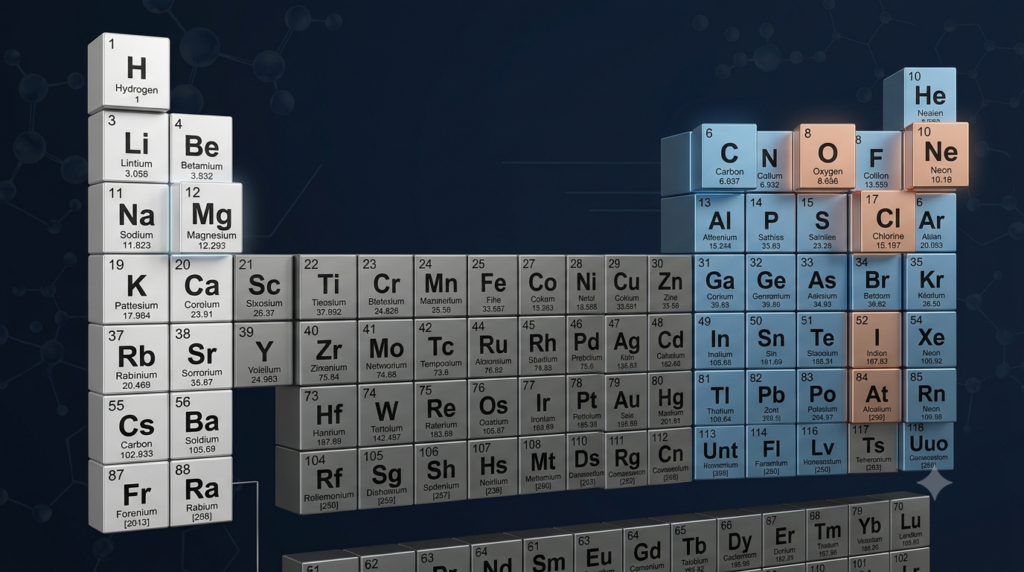
The periodic table is one of the most important tools in chemistry. It organizes all known chemical elements according to
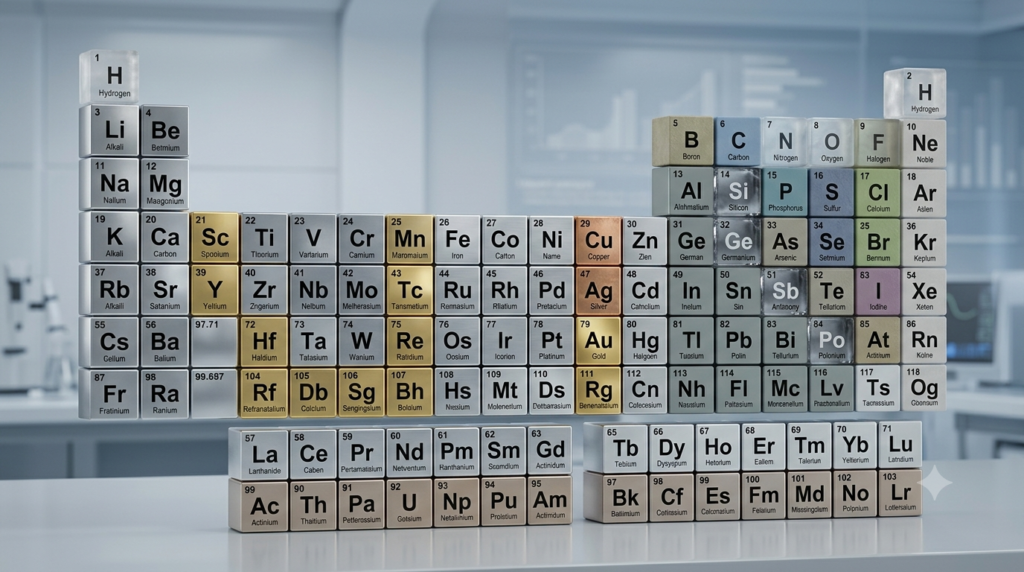
The periodic table is one of the most important tools in chemistry. It organizes all known chemical elements according to
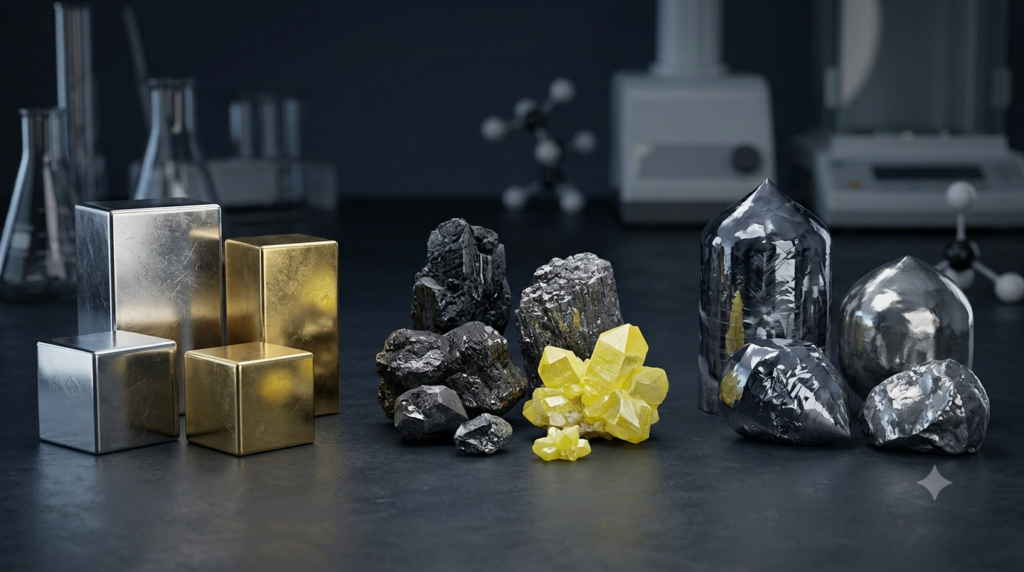
All matter around us is made up of chemical elements. From the iron used in buildings and the copper found
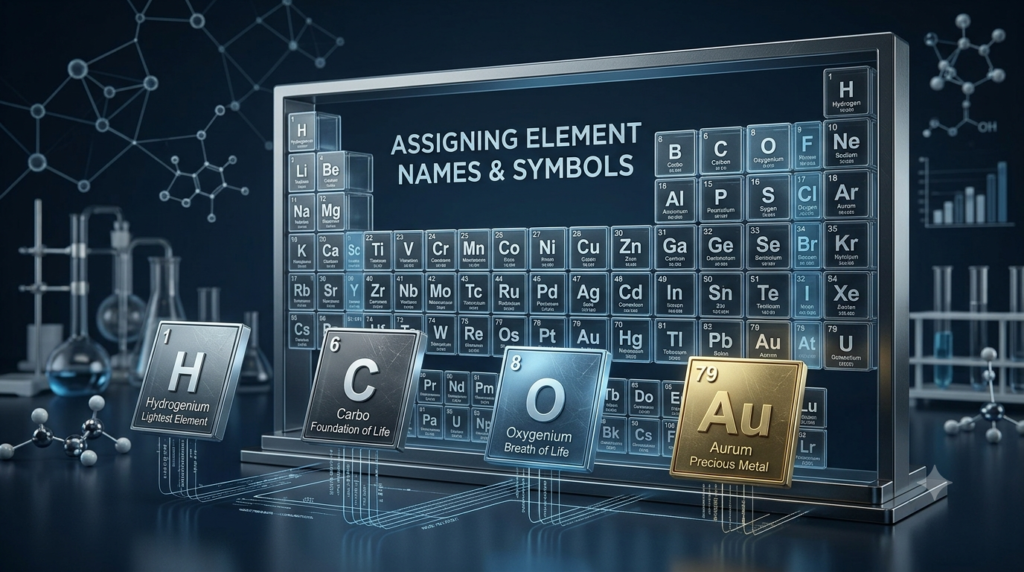
Every chemical element has a name and a unique symbol that scientists use to identify it. Some element names come
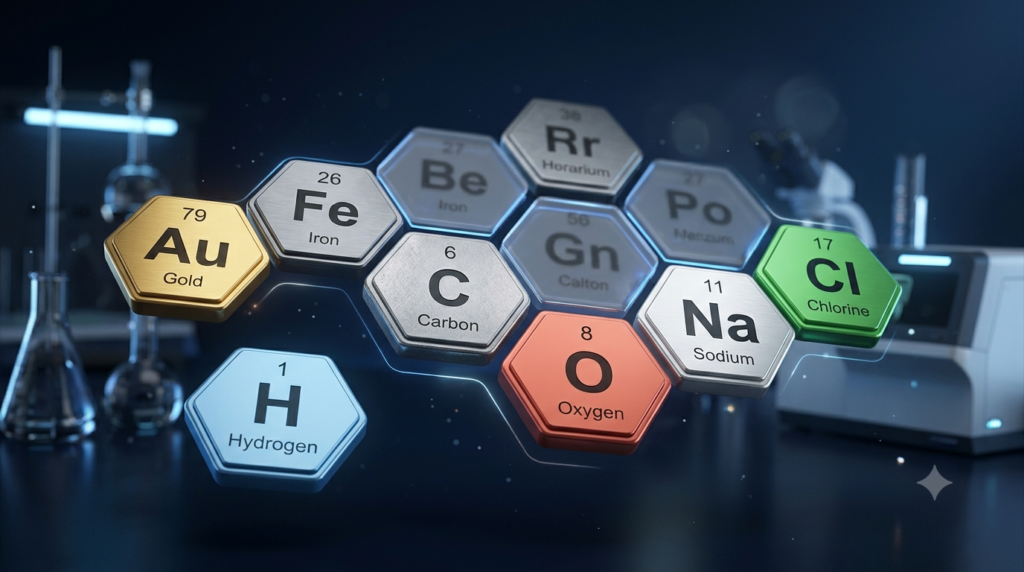
Chemistry is the study of matter, its properties, composition, and the changes it undergoes. To understand chemical substances and their
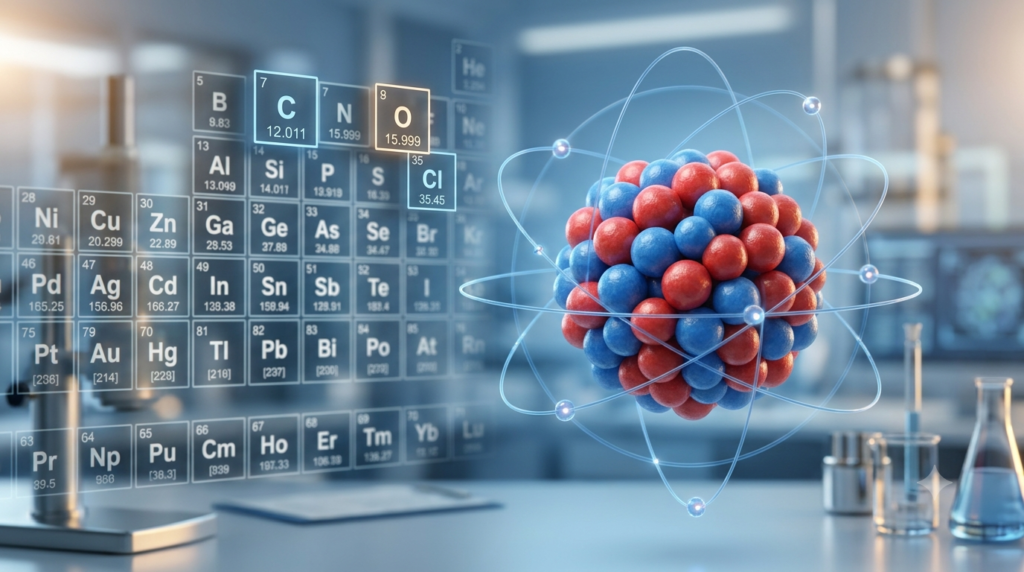
Every element in the universe is made up of atoms, and each atom contains three main subatomic particles: protons, neutrons,
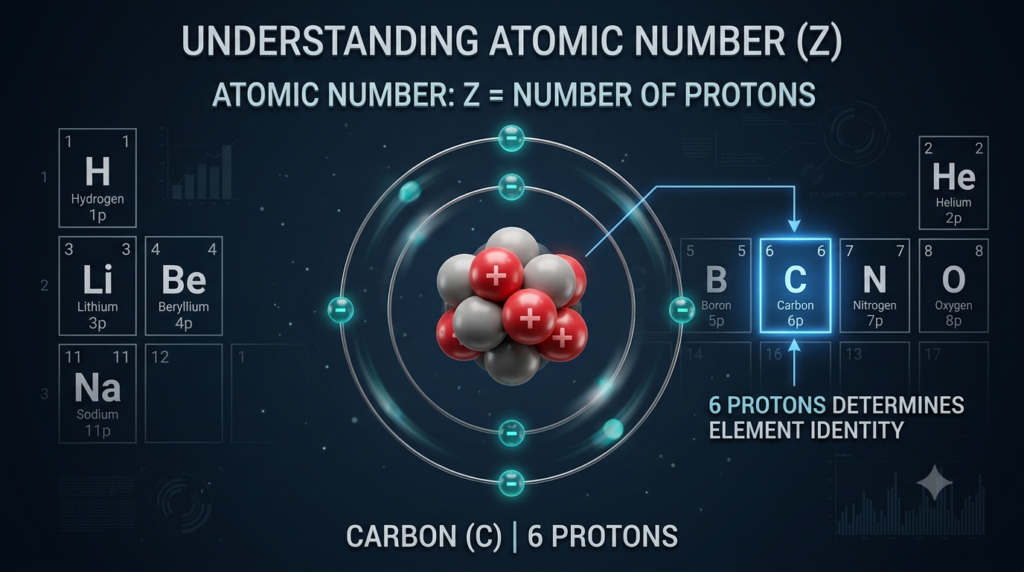
Every chemical element has a unique identity that distinguishes it from all other elements. Hydrogen, oxygen, carbon, iron, and gold
The periodic table is one of the most important tools in chemistry. It organizes all known chemical elements in a
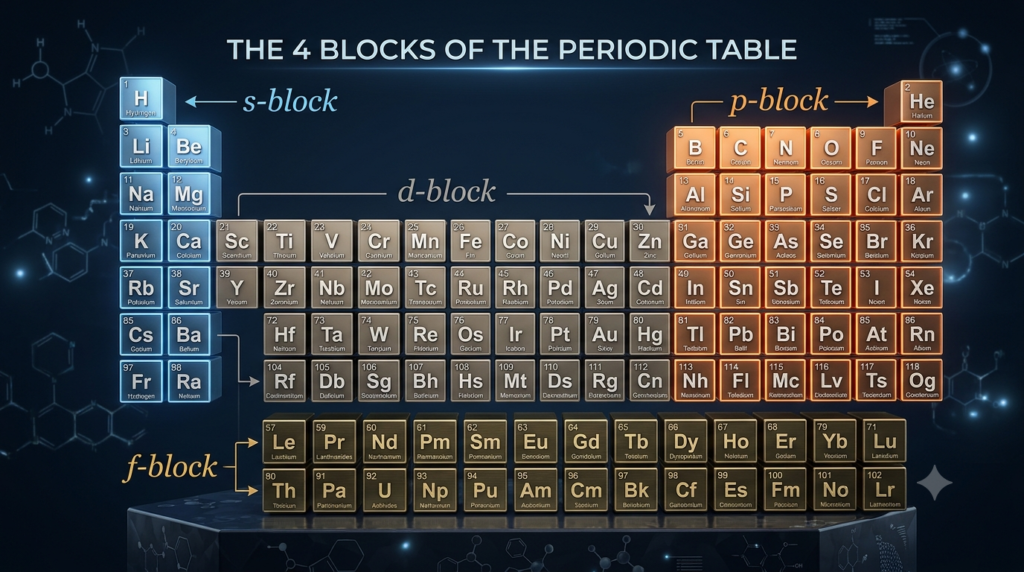
The periodic table is one of the most important tools in chemistry. It organizes all known chemical elements according to
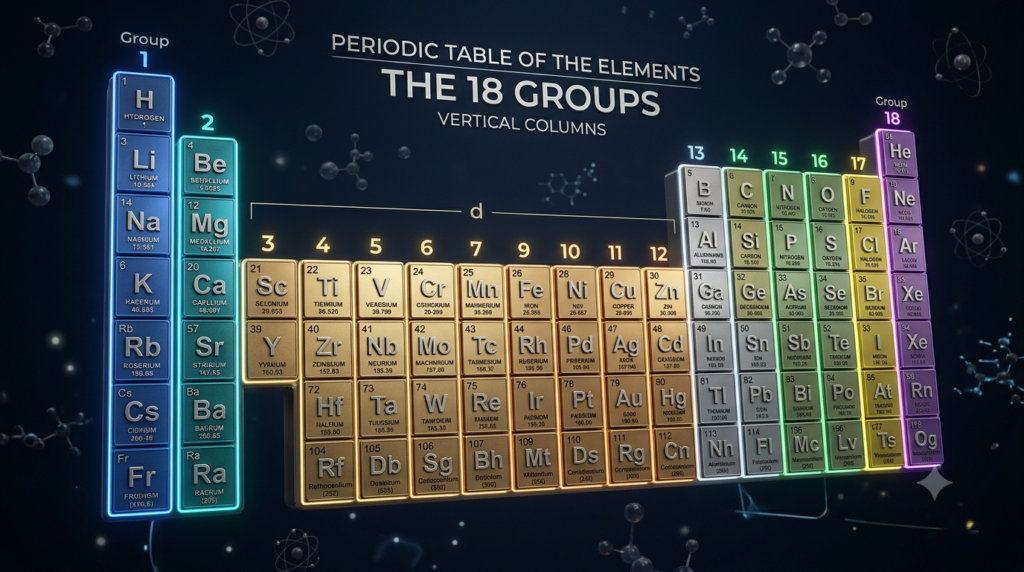
The periodic table is one of the most important tools in chemistry. It organizes all known chemical elements according to
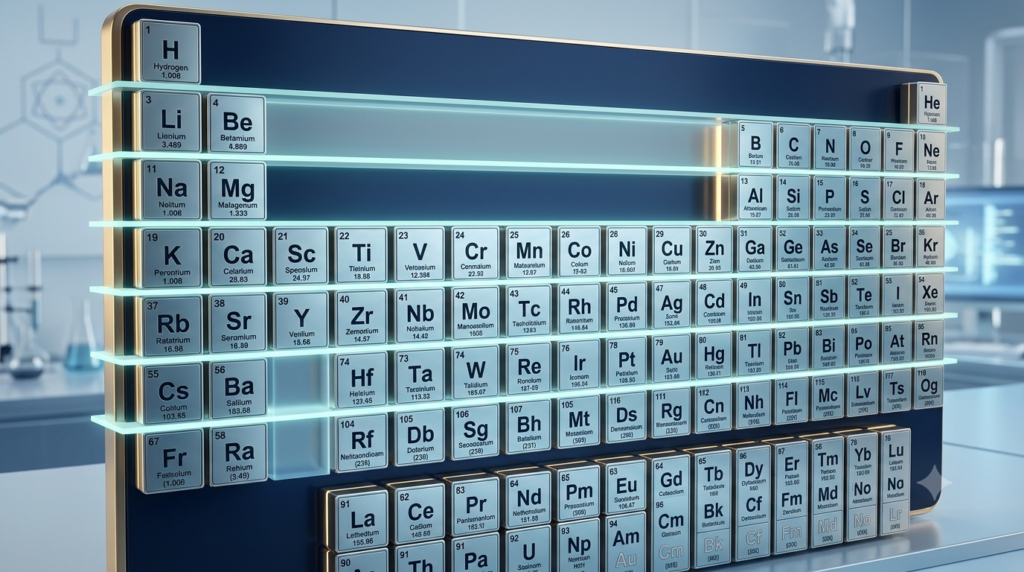
The periodic table is one of the most important tools in chemistry. It organizes all known chemical elements according to
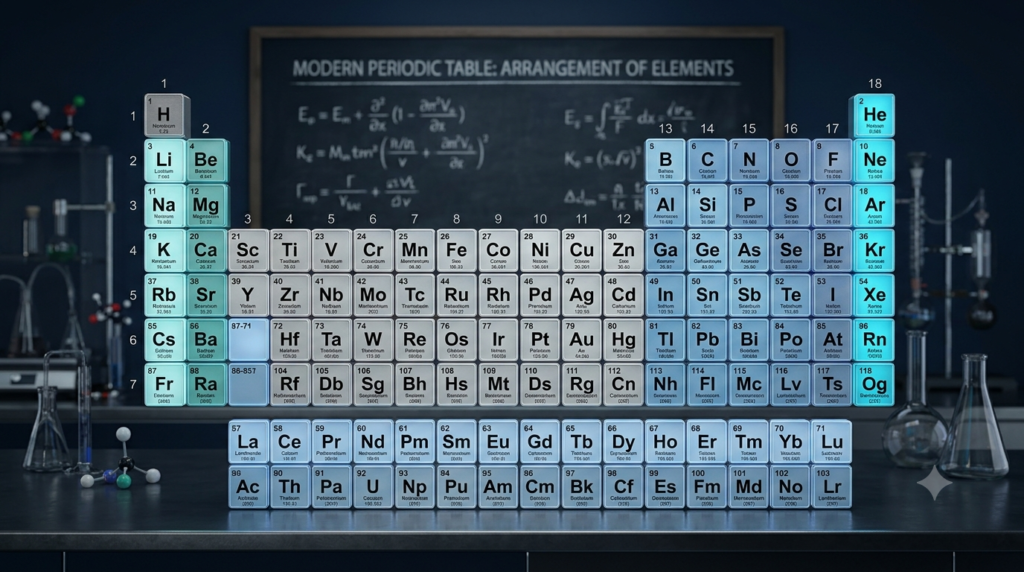
The modern periodic table is one of the most important tools in chemistry. It organizes all known chemical elements in
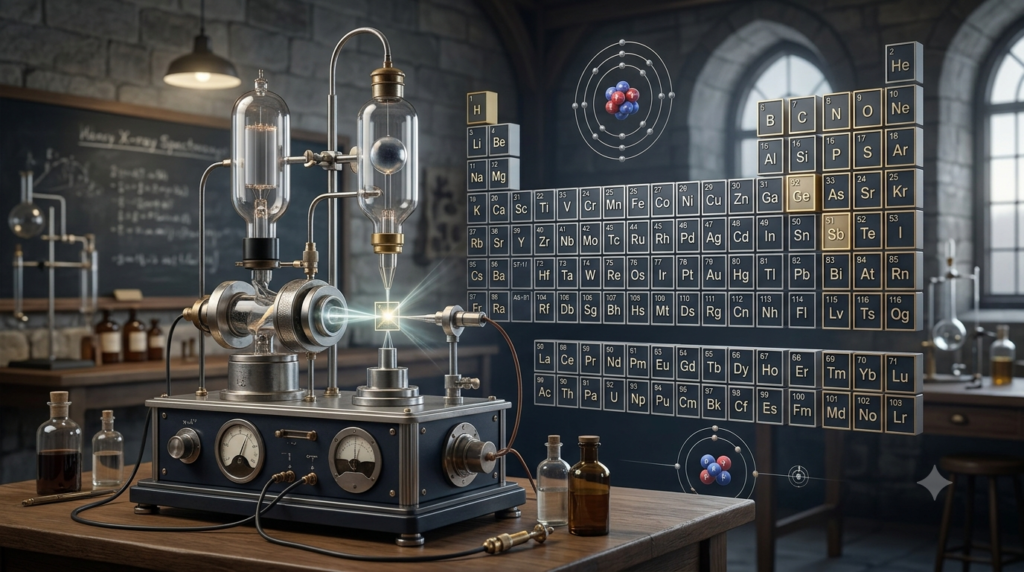
The periodic table is one of the most important tools in chemistry. It organizes all known chemical elements according to
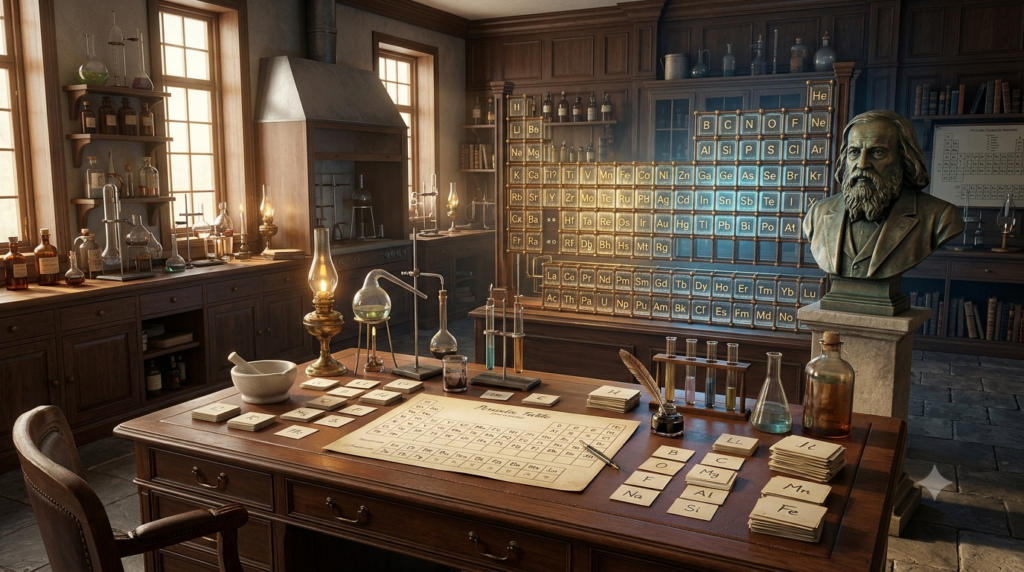
The periodic table is one of the most important achievements in the history of chemistry. It organizes all known chemical
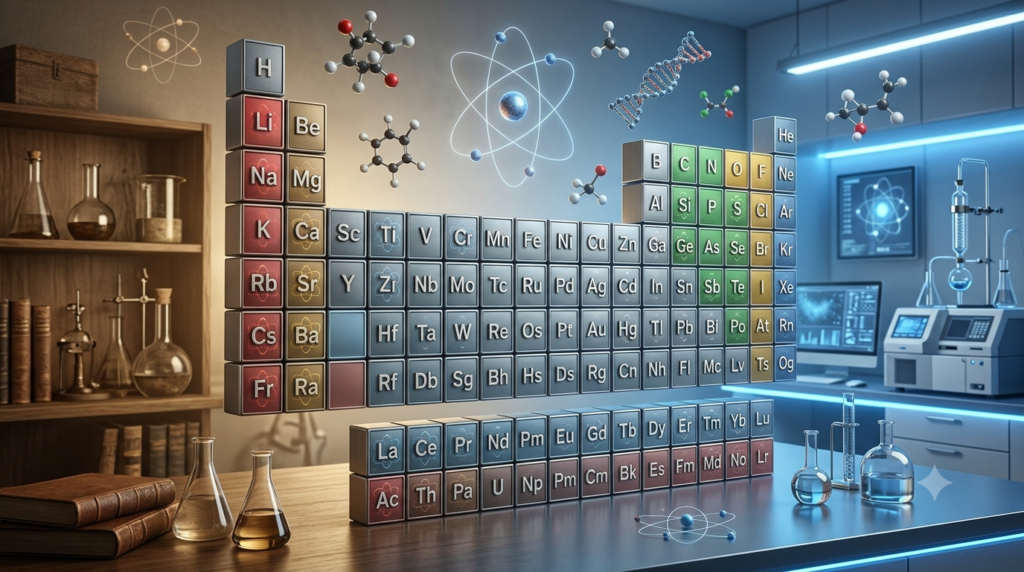
The periodic table is one of the most important achievements in the history of chemistry. It is a systematic arrangement
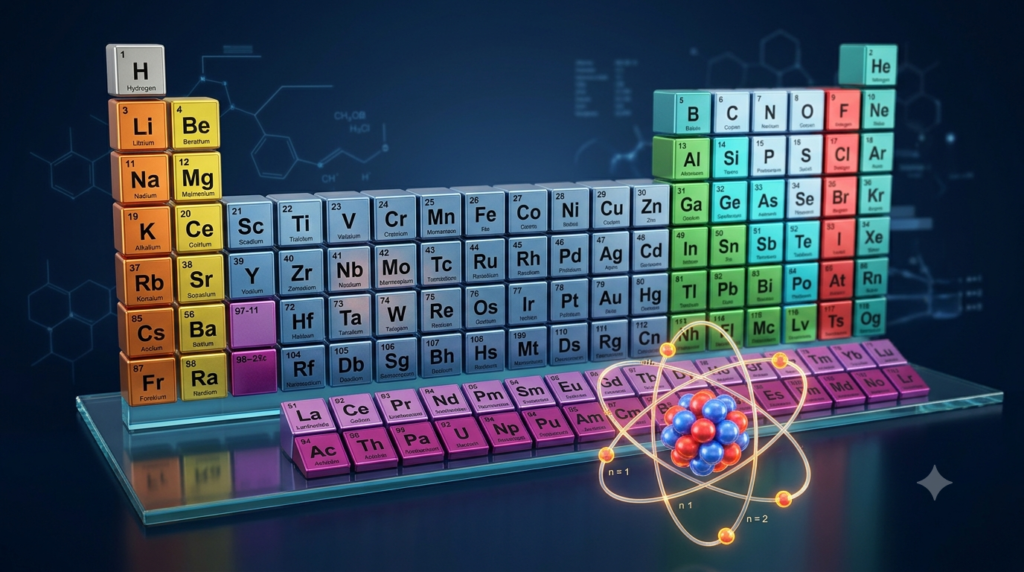
The periodic table is one of the most important tools in chemistry. It organizes all known chemical elements in a
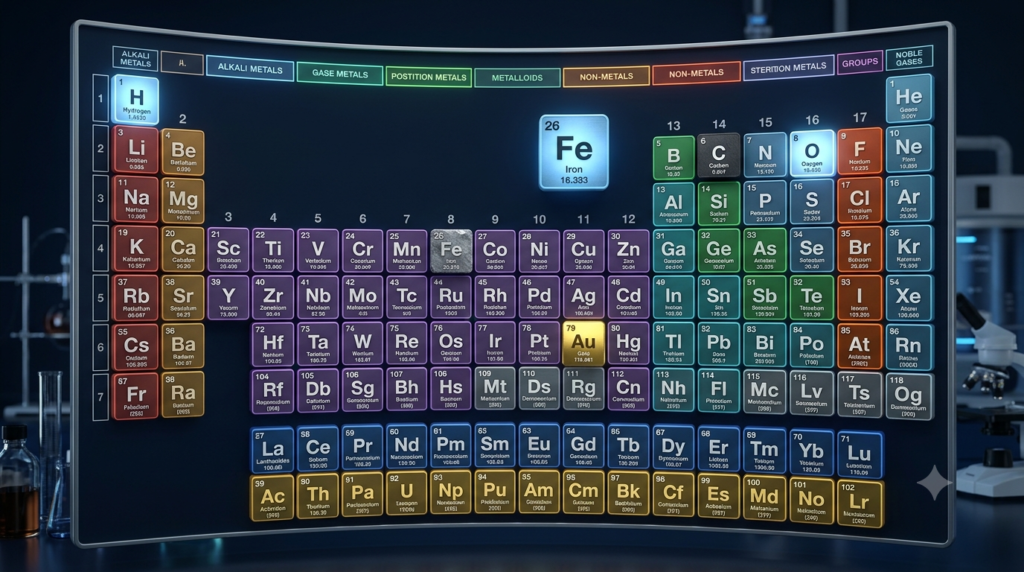
Periodic Table of Elements Explore all 118 chemical elements and their properties. All Categories (118 Elements)Alkali MetalsAlkaline Earth MetalsTransition MetalsPost-transition
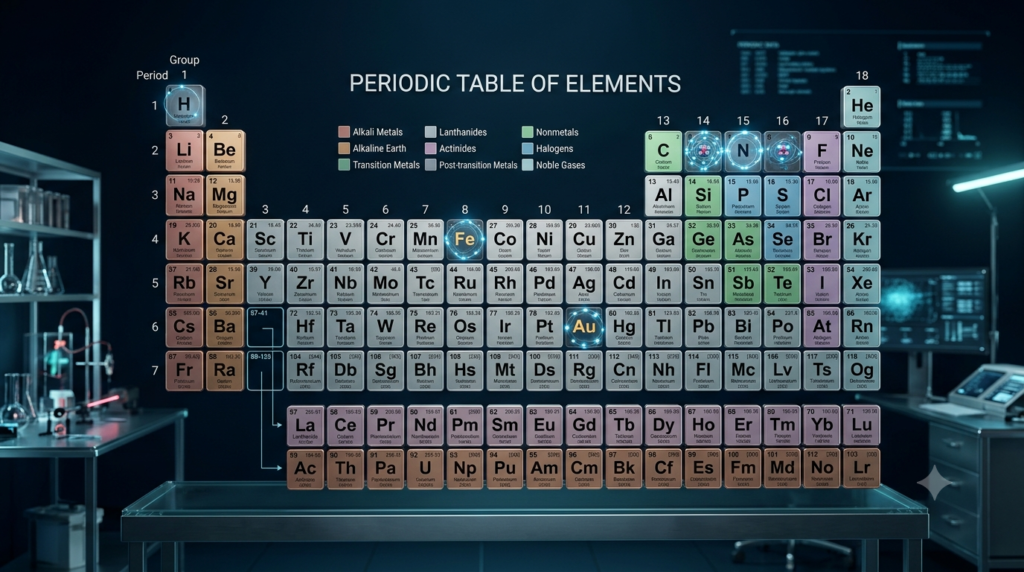
The periodic table is one of the most important tools in chemistry. It provides an organized arrangement of all known
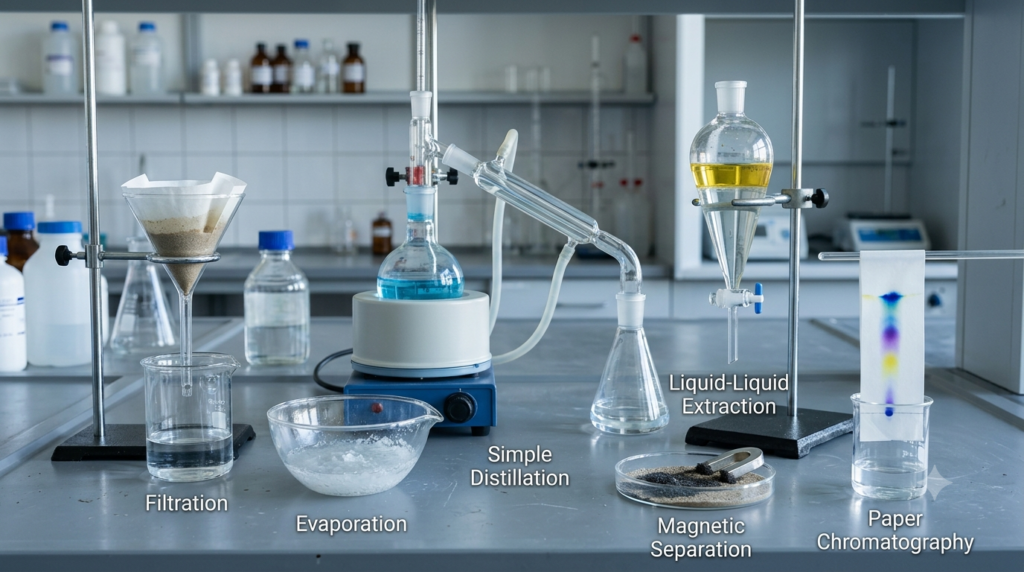
In chemistry, most materials we encounter in everyday life are mixtures. Air contains several gases, seawater contains dissolved salts, and

Matter is all around us, from the air we breathe and the water we drink to the food we eat

Everything around us is made of matter. The air we breathe, the water we drink, the food we eat, and
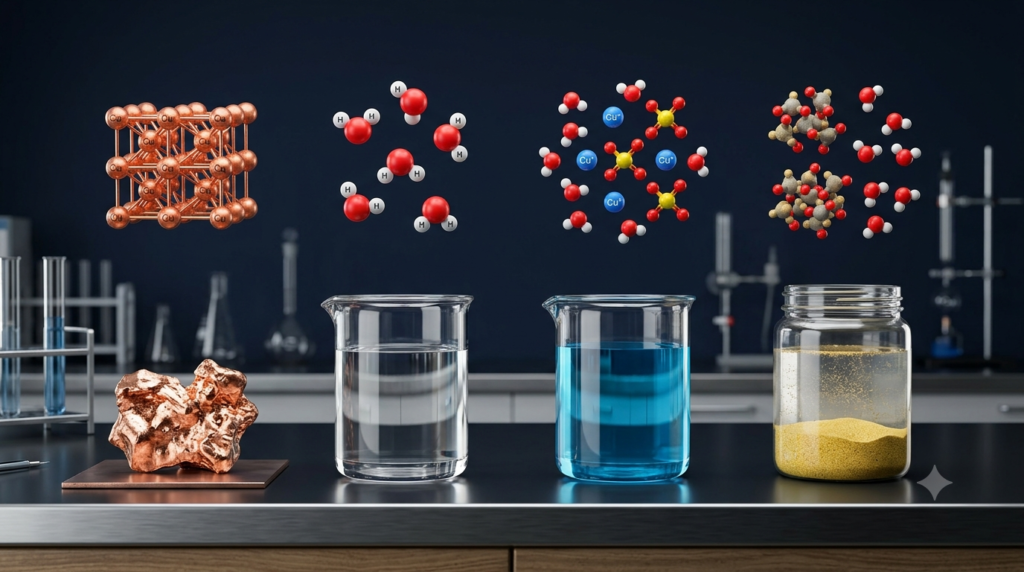
Everything around us is made of matter, from the air we breathe and the water we drink to the soil
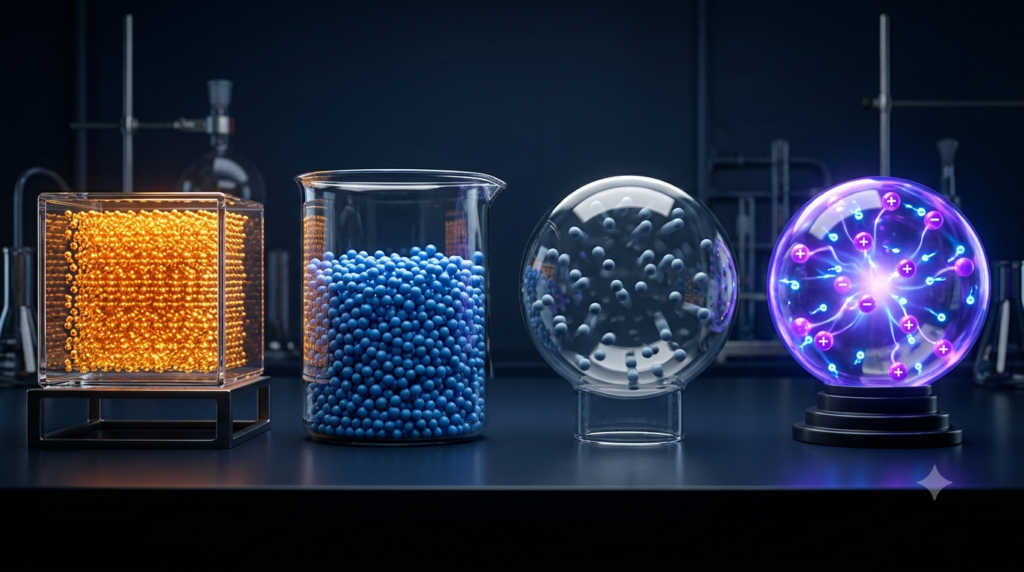
Everything around us is made of matter. The air we breathe, the water we drink, the food we eat, and
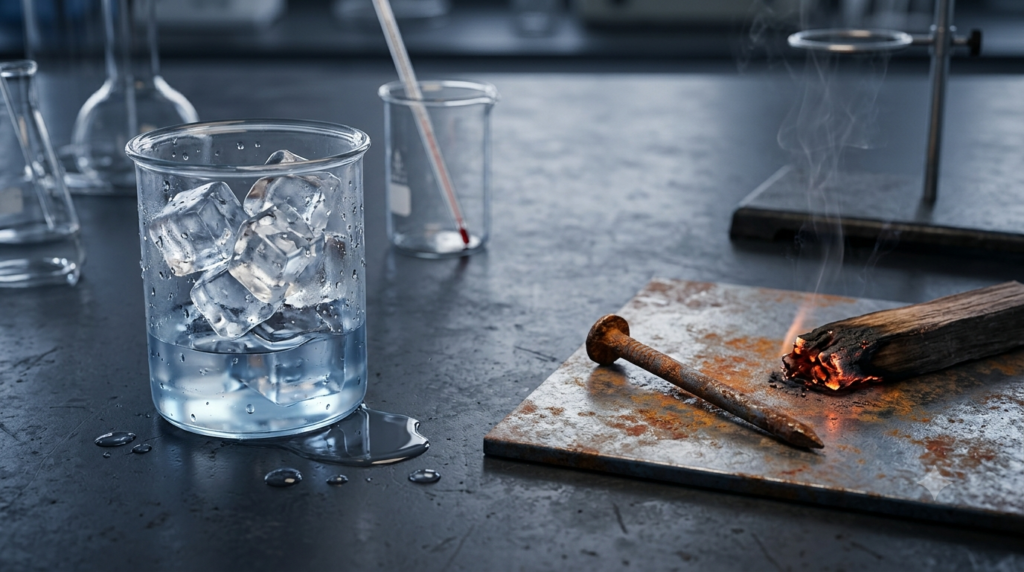
Matter is everything that has mass and occupies space. The water we drink, the air we breathe, the food we
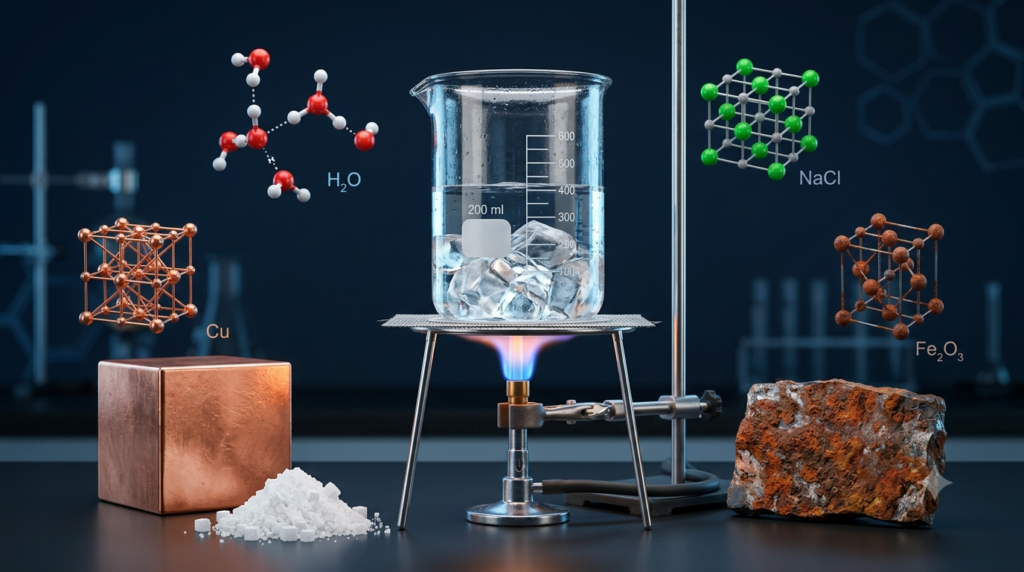
Everything around us is made of matter. The air we breathe, the water we drink, the food we eat, and
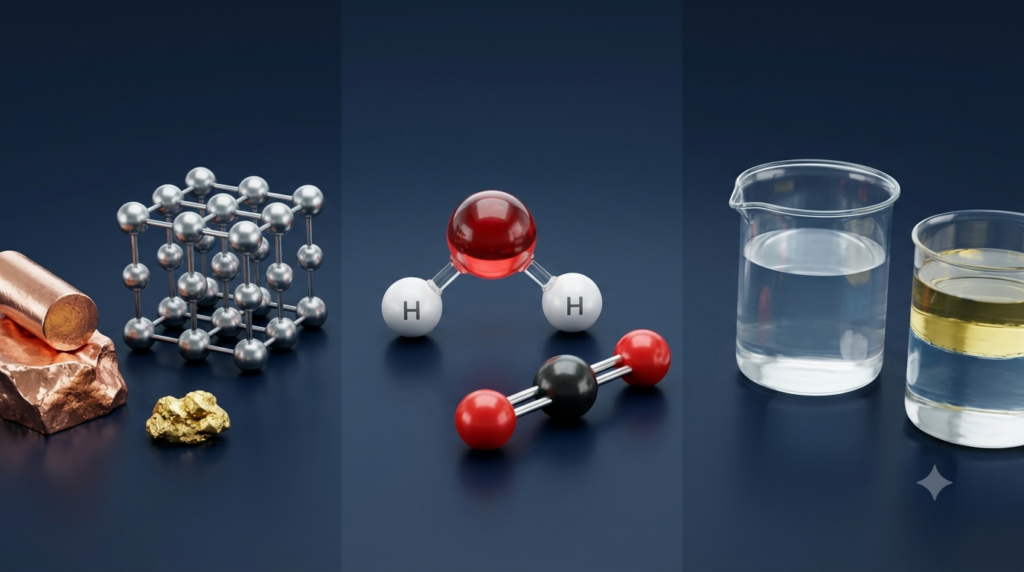
Everything around us is made of matter. The air we breathe, the water we drink, the food we eat, and
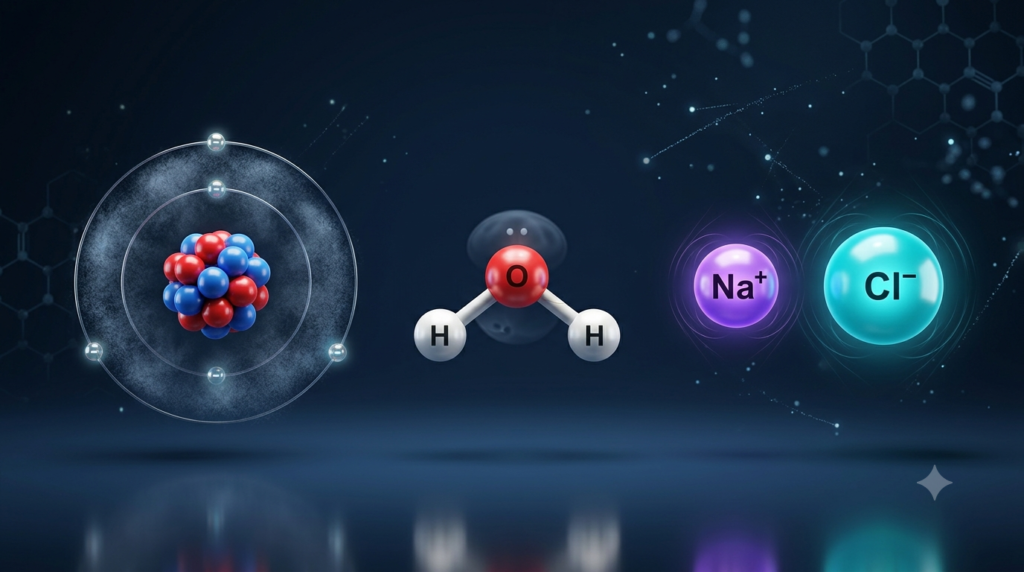
Everything around us is made of matter, including the air we breathe, the water we drink, the food we eat,
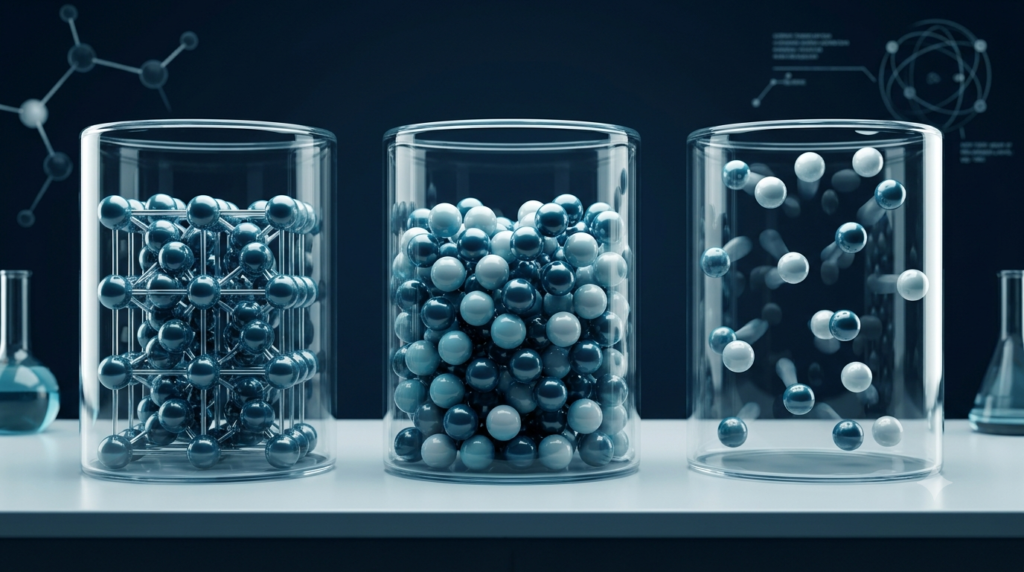
Everything around us is made of matter. The air we breathe, the water we drink, the food we eat, and
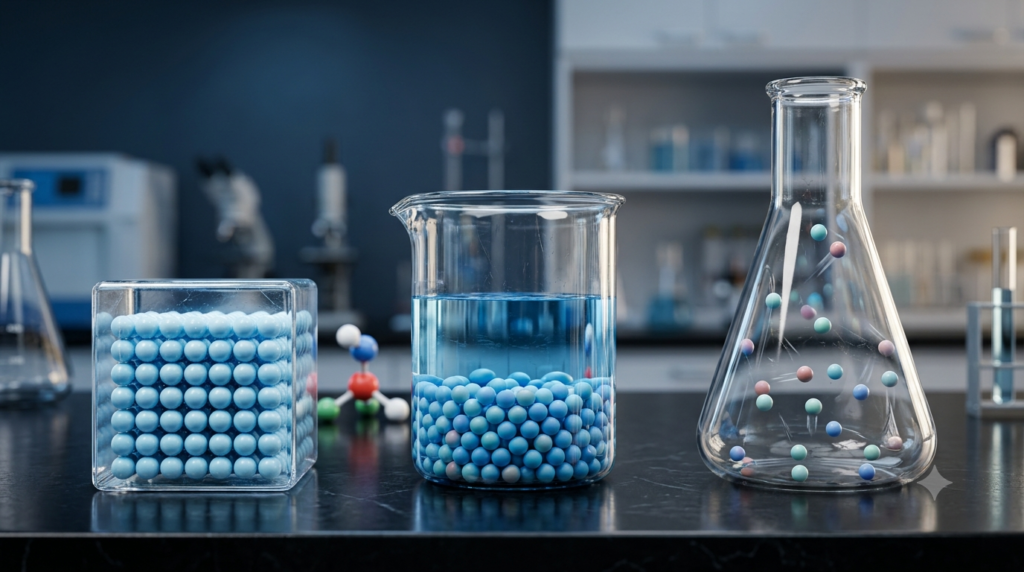
Everything around us is made of matter. The air we breathe, the water we drink, the food we eat, and
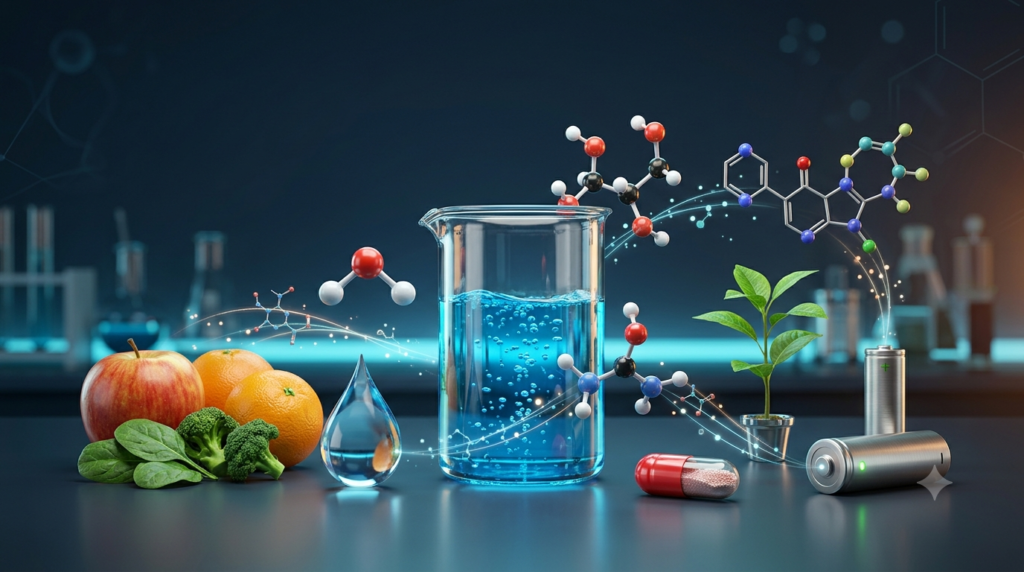
Chemistry is the branch of science that studies matter, its composition, structure, properties, and the changes it undergoes. Everything around