










Types of Angles and Their Basic Properties
Angles are an essential part of geometry and mathematics. They help us understand the shapes of objects, the directions of...
Read More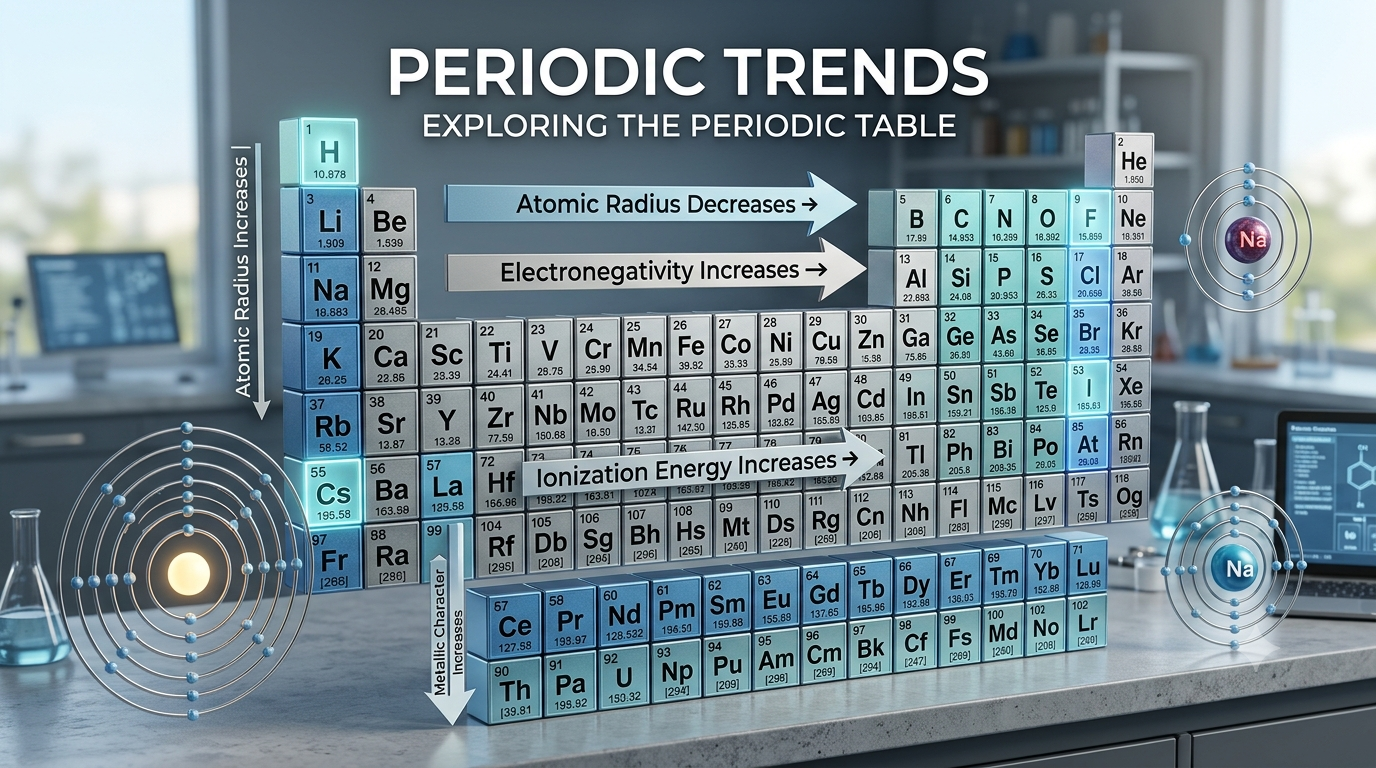
Introduction to Periodic Trends in the Periodic Table
The periodic table is one of the most important tools in chemistry. It organizes all known chemical elements according to...
Read More
What Is the Origin in a Coordinate Plane?
The coordinate plane is an important concept in mathematics that helps us locate points, describe positions, and understand the relationships...
Read More
Analog, Digital, and Hybrid Computers Explained
Computers are essential tools in modern life, helping people solve problems, process information, perform calculations, and control machines. Although most...
Read More
How Are Physical Quantities Represented in Physics?
Physics is the science of describing how nature works. To study motion, forces, energy, temperature, electricity, and many other phenomena,...
Read More
Who Is a Physicist and What Do Physicists Study?
Physics is the branch of science that helps us understand how the universe works, from the motion of everyday objects...
Read More
Prime Number Checker
Prime Number Checker Enter a whole number to check whether it is prime or composite. Enter a whole number Check...
Read More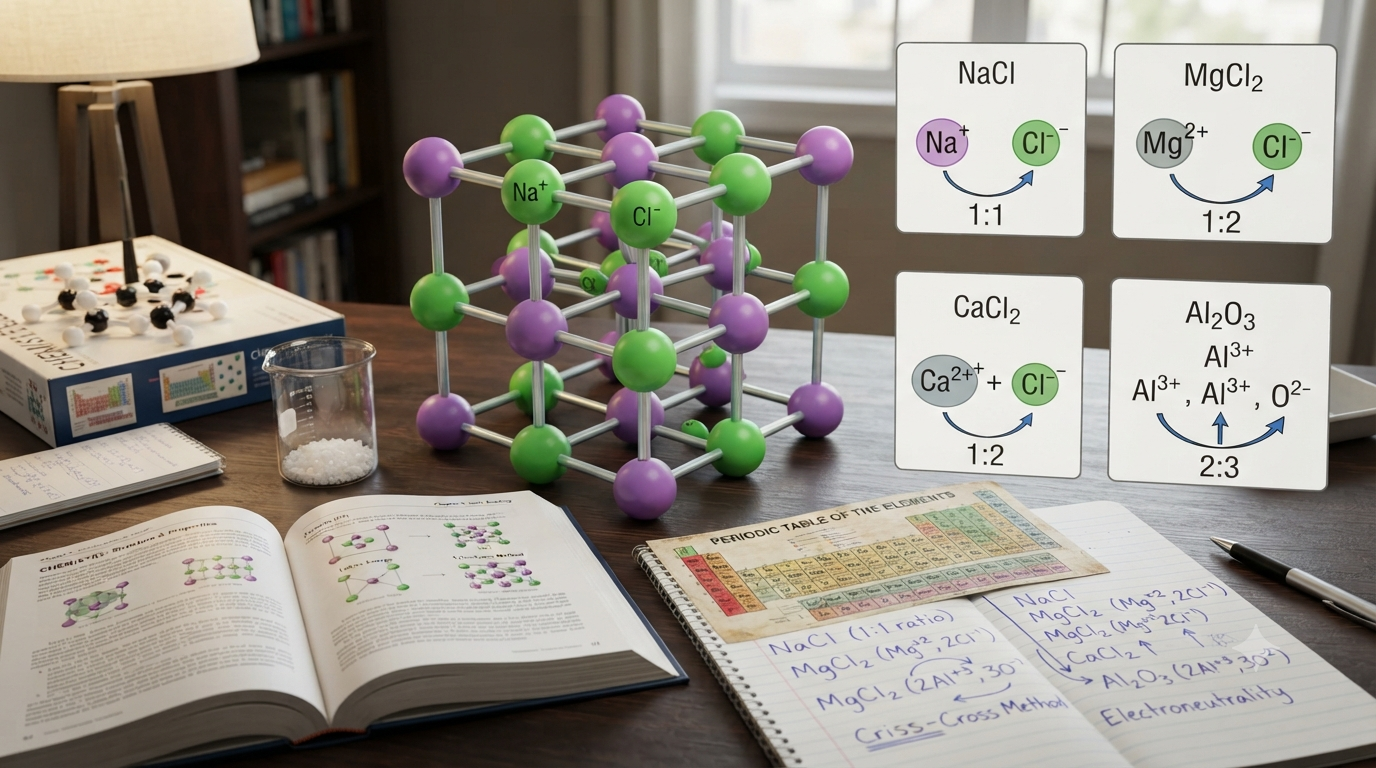
What Is the Meaning of Formula Units in Chemistry?
In chemistry, substances are often represented using chemical formulas. A chemical formula tells us which elements are present and, in...
Read More
Work, Energy and Power: Understanding Their Relationship
Work, energy, and power are three closely connected concepts in physics that help us understand how objects move, how forces...
Read More
What Are Significant Figures in Physics?
Physics is a science based on measurement. Whether a physicist measures length, time, mass, temperature, or electrical current, every measurement...
Read More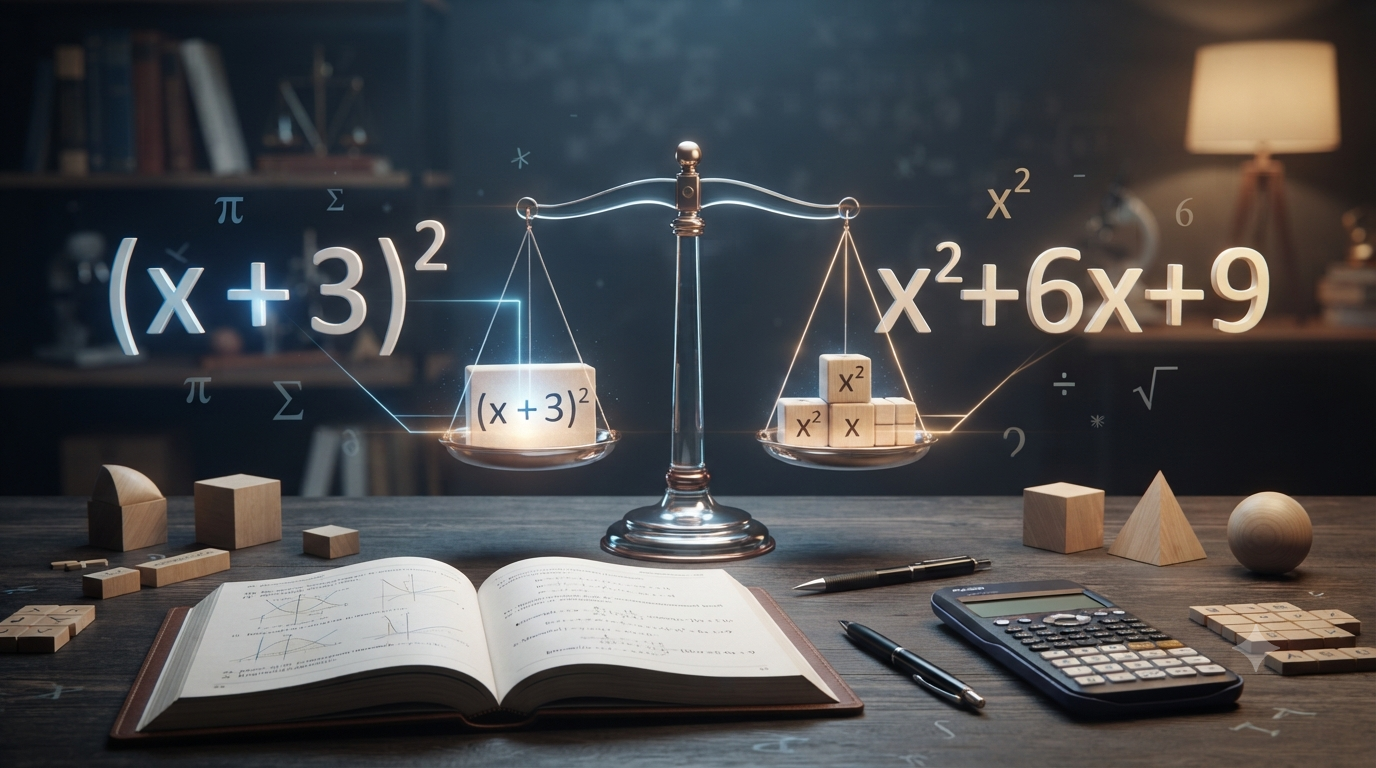
Why can an identity be used in place of another expression without changing its value?
In mathematics, an expression can sometimes be replaced by another expression without changing the value of the result. This may...
Read More
Factorial Growth and Its Significance in Computing
Factorial growth is one of the fastest-growing patterns encountered in mathematics, algorithms, and computer science. It appears when the number...
Read More
Parts of a Mathematical Formula Explained
Mathematical formulas are used to describe relationships between numbers, quantities, shapes, measurements, and patterns. A formula can look complicated at...
Read More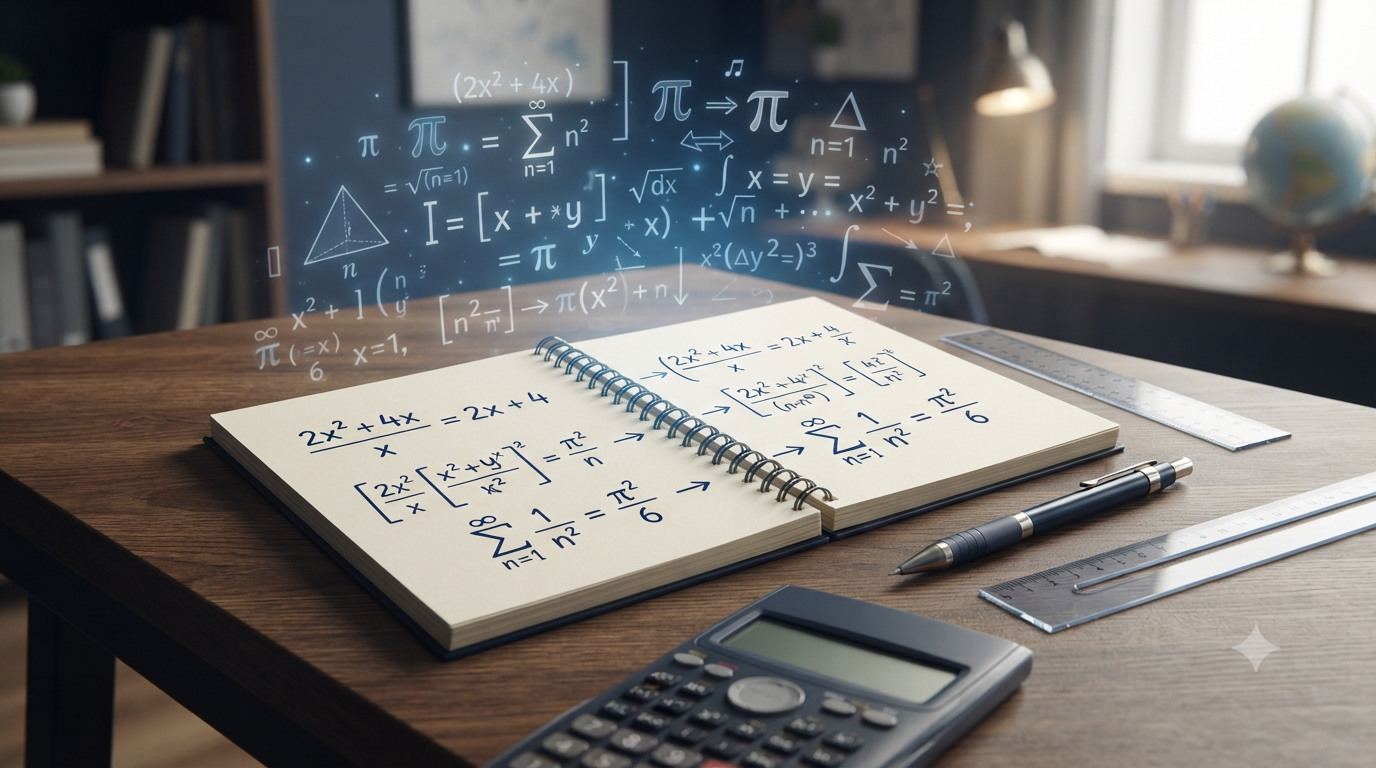
How to Simplify Mathematical Formulas Step by Step
Mathematical formulas provide a short and powerful way to represent relationships between numbers, quantities, and variables. However, formulas can sometimes...
Read More
How to Write Simple Chemical Formulas
Chemical formulas are a simple way to represent substances using symbols and numbers. Instead of writing the full name of...
Read More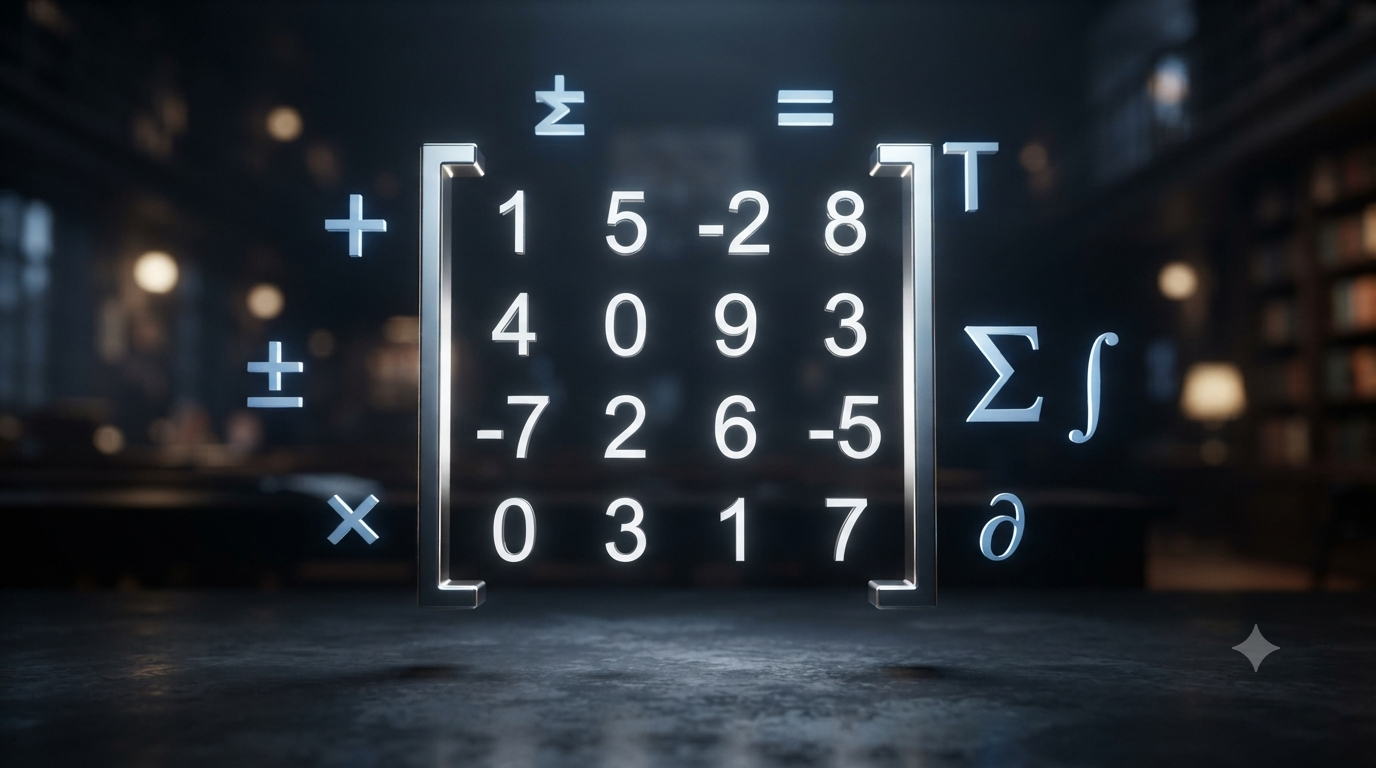
Basic Matrix Formulas and Operations
Matrices are an important part of mathematics because they provide a simple way to organize numbers and work with large...
Read More
What Is Environmental Science and Why Does It Matter?
The environment includes everything around us, from the air we breathe and the water we drink to the soil beneath...
Read More
Understanding Dimensions in Geometry From Zero to Three Dimensions
Geometry helps us understand the shapes, sizes, positions, and properties of objects around us. From a simple dot on a...
Read More
Cartesian Coordinates and Distance Formula in Computer Science
Cartesian coordinates provide a simple way to describe the exact position of an object using numbers. Although the coordinate system...
Read More
How does a signed number differ from an unsigned number at a fundamental level?
Computers use binary numbers to represent and process information. Every number stored in a computer occupies a certain number of...
Read More
Why Can Experimental Results Differ From Theoretical Values?
In science, theoretical values and experimental results are expected to agree closely. After all, theories are developed to explain observations...
Read More
Recursion Depth and Basic Memory Calculation Formulas
Recursion and memory usage are important concepts in computer science because they help explain how programs execute instructions and use...
Read More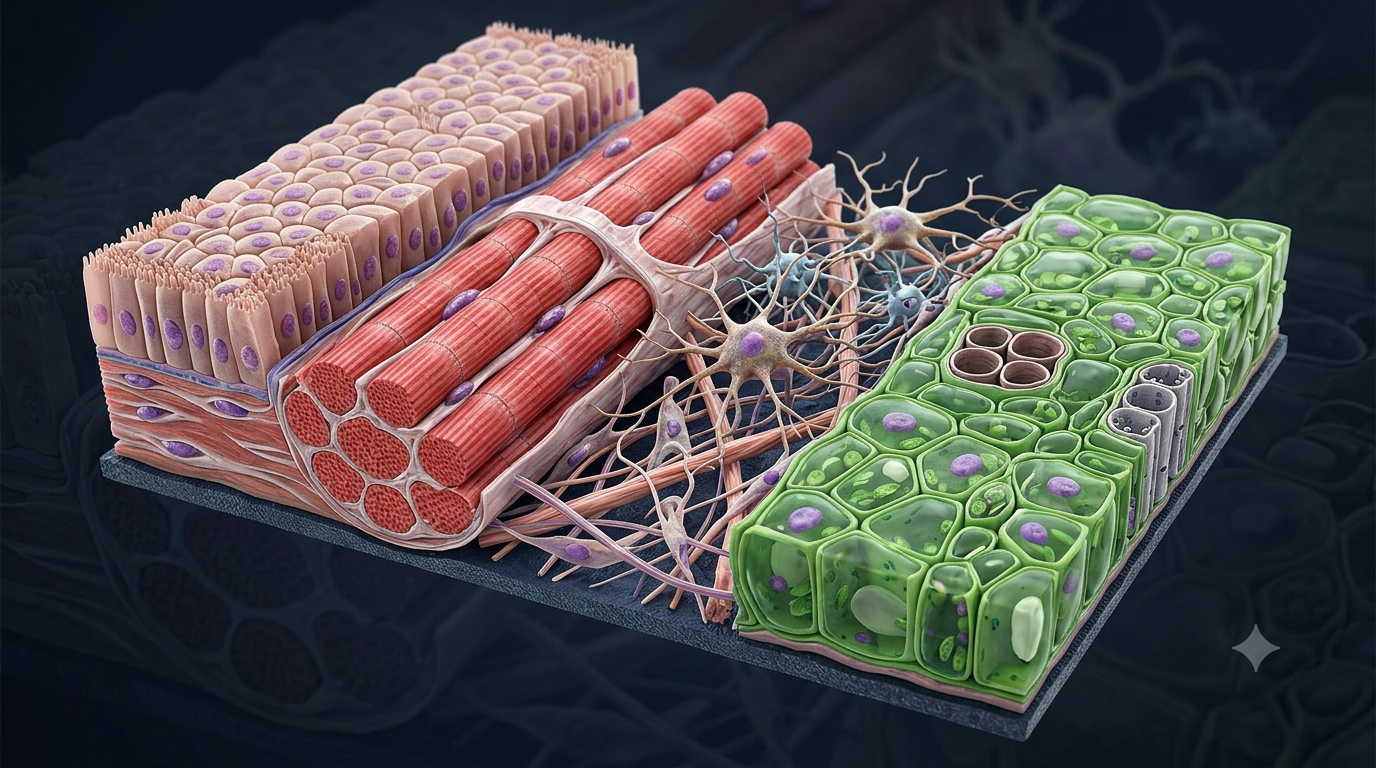
What Are Tissues in Biology and How Are They Organized?
Living organisms are made up of cells, the basic structural and functional units of life. In multicellular organisms, such as...
Read More
Square Root and Cube Root Formulas Explained
Square roots and cube roots are fundamental concepts in mathematics. They are used to reverse the operations of squaring and...
Read More
Load Factor Formula in Hash Tables
Hash tables are widely used in computer science to store and retrieve data efficiently. They are found in databases, programming...
Read More
What Is Geometry and Why Is It Important in Mathematics?
Geometry is one of the most important branches of mathematics because it helps us understand shapes, sizes, positions, distances, and...
Read More
The History and Development of Statistics
Statistics is an important branch of mathematics that helps us collect, organize, analyze, interpret, and present data. It allows people...
Read More
Summation Notation and Basic Series Formulas in Computer Science
Summation notation is a compact mathematical way to represent the addition of many terms without writing every term individually. In...
Read More
Atomic Mass and Its Role in the Periodic Table
Every element in the universe is made up of atoms, and each atom contains three main subatomic particles: protons, neutrons,...
Read More
Ratio and Proportion Formulas Explained
Ratio and proportion are basic mathematical concepts used to compare quantities and understand how different values are related to each...
Read More
Irrational Numbers and Their Mathematical Meaning
Numbers are the foundation of mathematics. They help us count objects, measure distances, calculate quantities, and understand patterns in the...
Read More
Elements, Compounds, and Mixtures Explained With Examples
Everything around us is made of matter. The air we breathe, the water we drink, the food we eat, and...
Read More
Common Formulas of Important Organic Compounds
Organic chemistry is the study of carbon-containing compounds and the way their atoms are arranged, bonded, and transformed during chemical...
Read More
De Morgan’s Laws in Boolean Algebra
De Morgan’s Laws are two fundamental rules in Boolean algebra that describe how the NOT operation works with AND and...
Read More
How Chemical Formulas Help Calculate Composition
Chemical formulas are much more than short combinations of element symbols. They provide a compact way to describe what a...
Read More
How to Identify Elements in a Chemical Formula
Chemical formulas provide a simple way to describe the substances that make up the world around us. A formula may...
Read More
What Is a Reference Frame in Physics?
When we describe the motion of an object, we usually say whether it is moving, how fast it is moving,...
Read More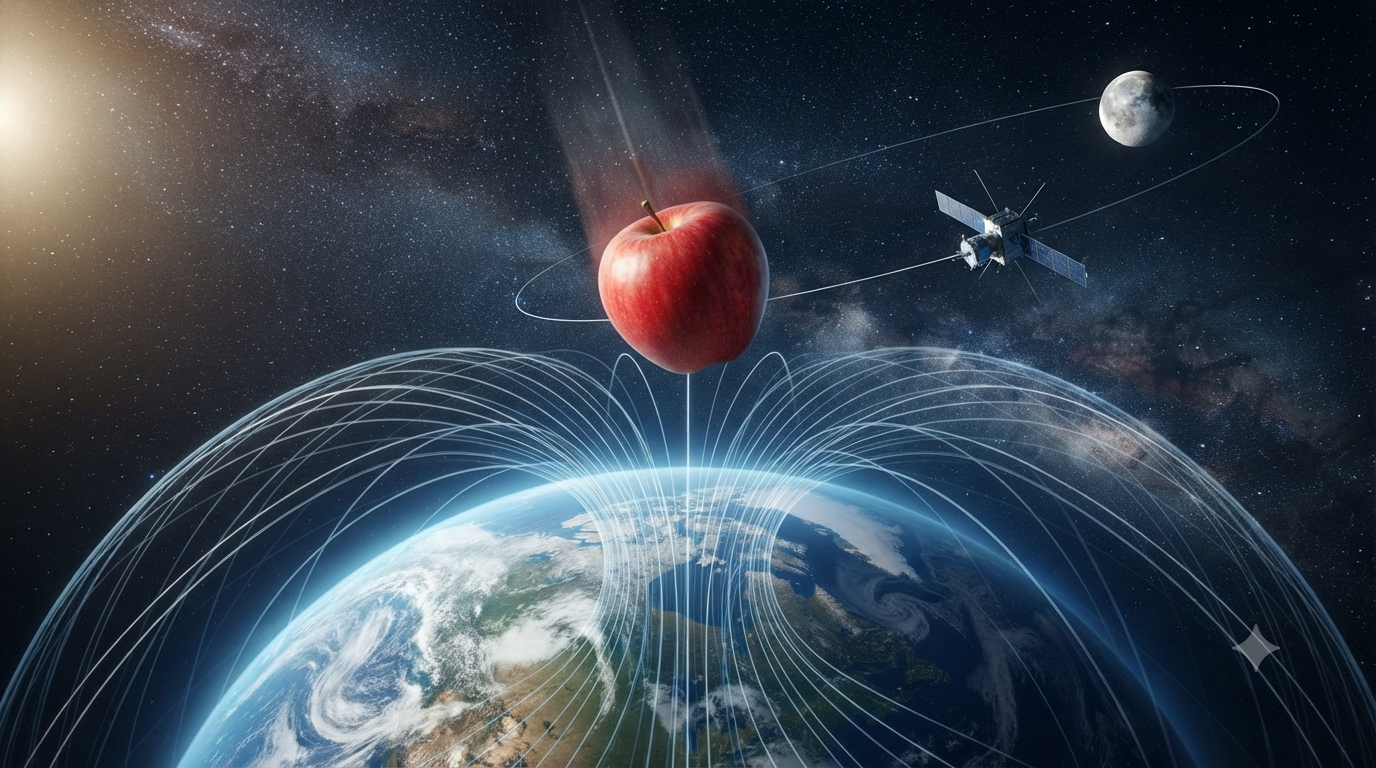
What Is Gravity and Why Do Objects Fall?
Gravity is one of the most familiar forces in everyday life, yet it is also one of the most fascinating...
Read More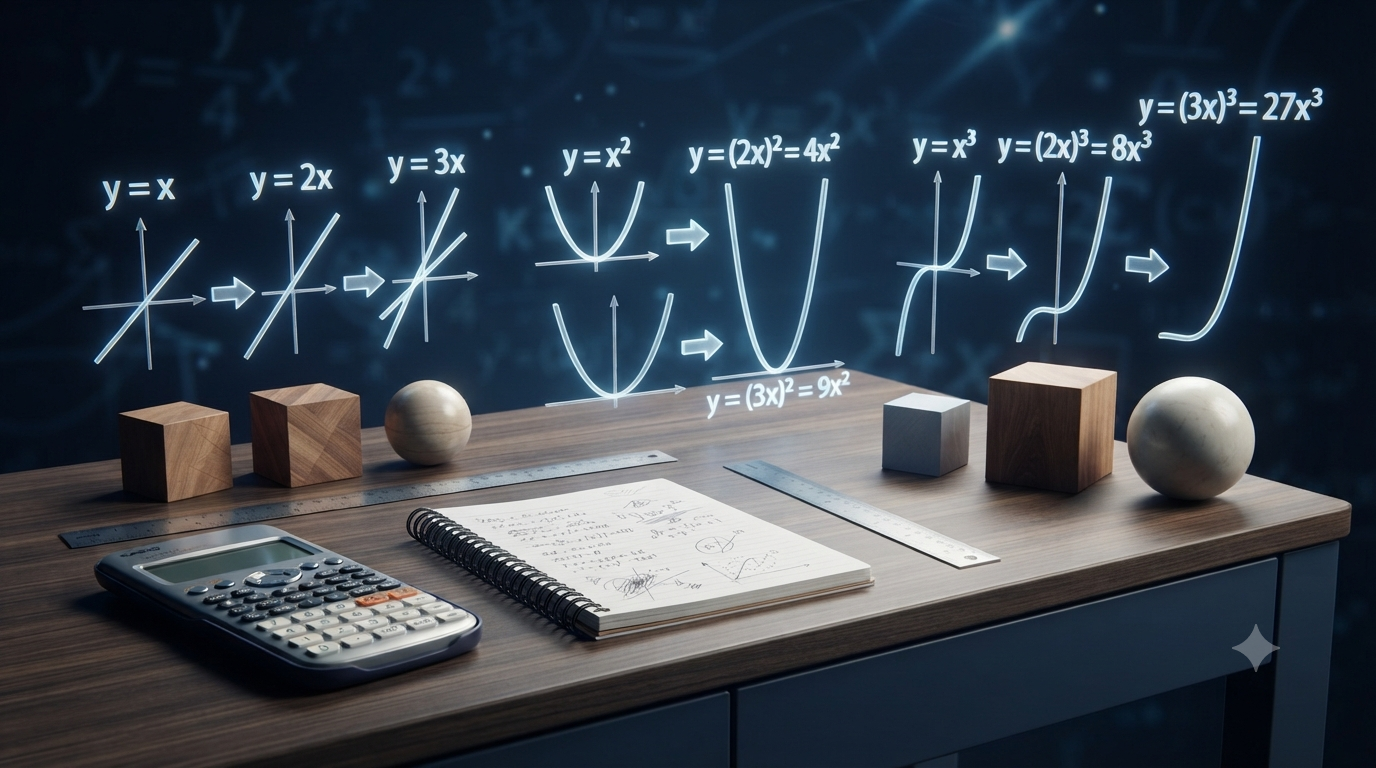
How does a formula change when a quantity is doubled or tripled?
Mathematical and scientific formulas often contain quantities that can change. When one quantity is doubled or tripled, the value of...
Read More