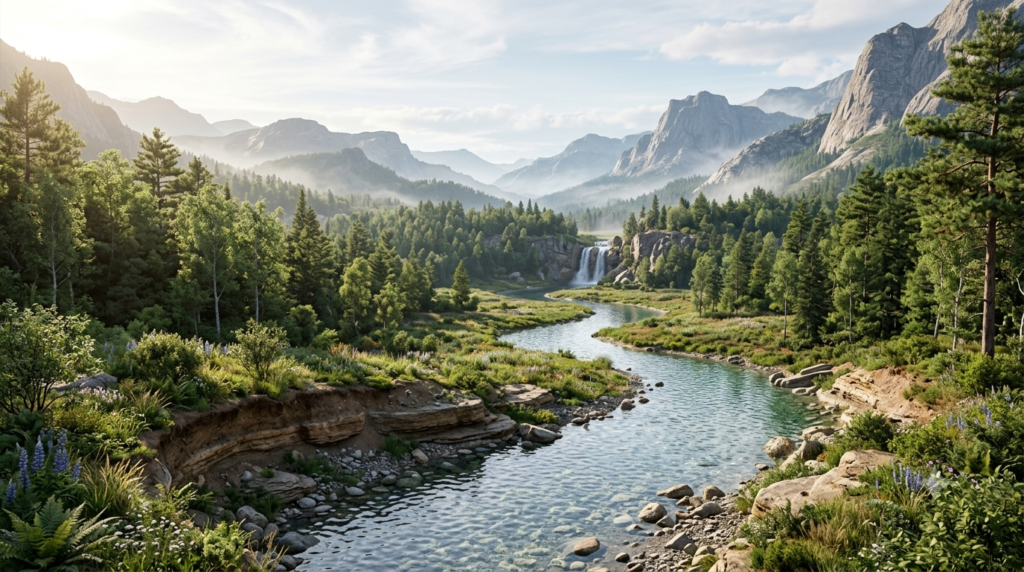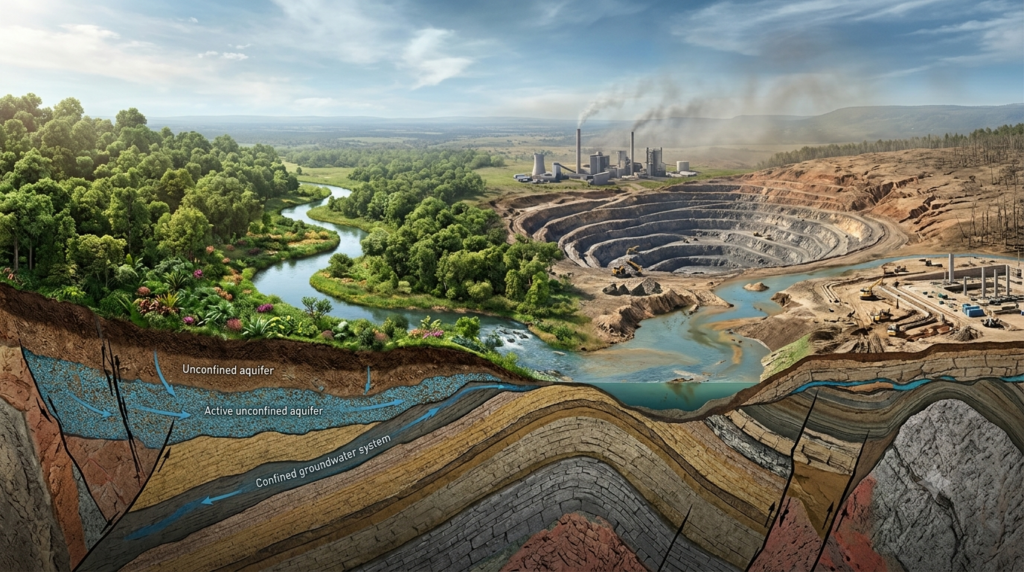
Nature is filled with an extraordinary variety of living organisms, from tiny bacteria and microscopic algae to enormous whales and ancient trees. These organisms live in different environments, including forests, oceans, rivers, grasslands, deserts, mountains, and wetlands. Each species has its own characteristics and plays a role in the natural world. The variety of life found on Earth is known as biodiversity.
Biodiversity is essential for maintaining healthy ecosystems and supporting life on our planet. It helps provide food, clean water, oxygen, medicines, and other resources that humans and wildlife depend on. It also supports natural processes such as pollination, nutrient cycling, soil formation, and climate regulation. Understanding the meaning and importance of biodiversity helps us recognize how living organisms depend on one another and why protecting nature is necessary for a sustainable future.
What Is Biodiversity?
Biodiversity, or biological diversity, refers to the variety of living organisms present on Earth and the differences among them. It includes all forms of life, such as plants, animals, fungi, bacteria, and other microorganisms. Biodiversity also includes the genetic differences within species and the variety of ecosystems in which organisms live.
The term biodiversity is commonly understood through three major levels: genetic diversity, species diversity, and ecosystem diversity. Together, these levels describe the richness and variety of life in the natural world.
For example, a tropical rainforest contains many kinds of trees, birds, insects, mammals, fungi, and microorganisms. A coral reef supports fish, corals, molluscs, crustaceans, and numerous other marine organisms. Even a small pond may contain algae, aquatic plants, insects, fish, and bacteria. All these organisms contribute to biodiversity.
Biodiversity is not simply about counting the number of species in an area. It also includes differences in their characteristics, their relationships with other organisms, and the variety of habitats that support them.
The Three Main Levels of Biodiversity
1. Genetic Diversity
Genetic diversity refers to the differences in genetic information among individuals of the same species. These differences influence characteristics such as size, colour, disease resistance, growth, and the ability to survive under different environmental conditions.
For example, different varieties of rice may have different levels of resistance to drought, flooding, or plant diseases. Similarly, individuals within a wild animal population may differ in their ability to tolerate temperature changes or resist infections.
Genetic diversity is important because it allows populations to adapt to changing conditions over generations. When a population contains a wide range of genetic characteristics, some individuals may be better suited to survive environmental changes. They can reproduce and pass beneficial characteristics to their offspring.
Low genetic diversity can make populations more vulnerable to diseases, environmental stress, and other threats. Therefore, maintaining genetic diversity is an important part of conserving species and protecting agricultural resources.
2. Species Diversity
Species diversity refers to the variety of different species present in a particular area. A species is generally a group of organisms that can reproduce with one another and produce fertile offspring, although this definition does not apply equally well to every organism.
A forest with many species of trees, birds, insects, mammals, and fungi has greater species diversity than an otherwise comparable forest dominated by only a few species.
Species diversity involves both species richness and species evenness. Species richness describes the number of different species in an area, while species evenness describes how evenly individuals are distributed among those species.
For example, one grassland may contain ten species with similar population sizes, while another may contain ten species but be dominated by a single species. Although both have the same species richness, their species evenness differs.
Species diversity supports ecological relationships, including predation, competition, pollination, and decomposition. These relationships help ecosystems function and respond to environmental changes.
3. Ecosystem Diversity
Ecosystem diversity refers to the variety of ecosystems, habitats, and ecological communities found within a region or across the planet.
Earth contains many different ecosystems, including tropical rainforests, temperate forests, grasslands, deserts, wetlands, rivers, lakes, mangroves, coral reefs, and open oceans. Each ecosystem has distinctive environmental conditions and supports organisms adapted to those conditions.
For example, desert plants often have adaptations that help them conserve water, while mangrove trees can tolerate salty coastal environments. Many fish are adapted to aquatic life, whereas terrestrial mammals possess characteristics suited to living on land.
Different ecosystems provide different ecological functions and resources. Wetlands can store water and provide habitats for birds and fish, while forests store carbon and help regulate local water cycles.
Protecting ecosystem diversity is important because the loss of a habitat can threaten many species simultaneously. Conserving different habitats helps maintain the wide range of life and ecological processes found on Earth.
Why Is Biodiversity Important in Nature?
Biodiversity supports the natural systems that make life possible. Its importance can be understood through its contributions to ecosystem stability, human well-being, environmental protection, and the long-term survival of living organisms.
1. Maintains Ecological Balance
Every organism interacts with its environment and with other living things. Plants produce organic matter through photosynthesis, herbivores feed on plants, predators regulate the populations of other animals, and decomposers break down dead organisms.
These relationships form interconnected food webs. When one species disappears or becomes extremely rare, the effects can spread to other parts of the ecosystem.
For example, if the population of an important predator decreases, the number of its prey may increase. This can place greater pressure on vegetation or smaller animal populations and change the structure of the ecosystem.
Biodiversity provides a range of organisms that perform different ecological roles. This variety can help ecosystems continue functioning when particular species are affected by disease, environmental changes, or other disturbances.
However, ecological balance does not mean that nature remains unchanged. Ecosystems naturally experience fluctuations and disturbances. Biodiversity helps support their functioning and resilience through these changes.
2. Supports Food Production
Human beings depend heavily on biodiversity for food. Crops, livestock, fish, fruits, vegetables, nuts, and many other food products originate from living organisms.
Wild plants and traditional crop varieties also provide genetic resources that can be useful in developing crops with improved nutritional value, pest resistance, or tolerance to drought and heat.
Many agricultural crops depend on pollinators such as bees, butterflies, moths, birds, and bats. These animals transfer pollen between flowers, helping plants produce fruits and seeds. Although some crops can reproduce without animal pollination, many benefit substantially from it.
Soil organisms also contribute to food production. Earthworms, fungi, bacteria, and other organisms help decompose organic matter, recycle nutrients, and maintain soil structure.
A decline in biodiversity can weaken these natural support systems. Protecting pollinators, soil organisms, genetic resources, and natural habitats therefore contributes to the long-term sustainability of agriculture and food security.
3. Helps Maintain Clean Water
Biodiversity contributes to the protection and purification of water resources. Wetlands, forests, rivers, lakes, and other ecosystems support natural processes that influence water quality and availability.
Wetlands can trap sediments and help remove certain pollutants from water. Microorganisms break down some organic waste, while aquatic plants can absorb nutrients under suitable conditions.
Forests and other vegetation help reduce soil erosion by protecting the ground with leaves, roots, and plant cover. This can limit the amount of sediment entering rivers and reservoirs.
Healthy watersheds also influence how rainwater moves through the landscape. Vegetation and soil help regulate runoff and water infiltration, although the effects depend on soil type, climate, land use, and other local conditions.
When wetlands are destroyed, forests are cleared, or waterways become heavily polluted, these natural functions can be weakened. Conserving biodiversity helps protect the ecosystems that support clean and reliable water supplies.
4. Contributes to Climate Regulation
Biodiversity plays an important role in the processes that influence Earth’s climate. Forests, grasslands, mangroves, seagrass beds, and other ecosystems can absorb and store carbon in vegetation, roots, and soils.
Through photosynthesis, plants absorb carbon dioxide from the atmosphere and use it to produce organic compounds. Some of this carbon remains stored in plant tissues and soil for extended periods.
Marine ecosystems also contribute to the global carbon cycle. Coastal habitats such as mangroves and seagrass beds can store substantial amounts of carbon in their sediments.
The condition of these ecosystems matters. Deforestation, land degradation, and the destruction of carbon-rich habitats can release stored carbon and reduce the ability of ecosystems to absorb additional carbon dioxide.
Biodiversity can also influence ecosystem responses to heat, drought, storms, and other climate-related stresses. Conserving diverse, healthy ecosystems is therefore an important part of climate change mitigation and adaptation, although it cannot replace the need to reduce greenhouse gas emissions.
5. Supports Soil Formation and Nutrient Cycling
Healthy soil contains a remarkable variety of organisms, including bacteria, fungi, earthworms, mites, insects, and other small animals. These organisms contribute to soil formation, decomposition, and nutrient cycling.
When leaves, dead plants, and animal remains accumulate on the ground, decomposers break down this organic material. Nutrients such as nitrogen and phosphorus are released or transformed into forms that can be reused by plants and other organisms.
Earthworms can improve soil structure by creating channels and mixing organic matter into the soil. Certain fungi form associations with plant roots, helping plants obtain nutrients and water.
These processes support plant growth and help maintain productive ecosystems. Without decomposers and other soil organisms, the recycling of nutrients would be disrupted, and dead organic matter would accumulate in different ways.
Protecting soil biodiversity is particularly important in agricultural areas, where excessive chemical use, erosion, compaction, and the loss of organic matter can damage soil communities.
6. Provides Medicines and Scientific Resources
Many medicines and medical discoveries have been developed from substances found in plants, fungi, bacteria, and other organisms. Nature contains a vast range of chemical compounds that researchers investigate for their biological properties.
For example, compounds from plants have contributed to the development of important medicines, while microorganisms have provided substances used in the production of antibiotics and other treatments.
Biodiversity also supports scientific research in genetics, biotechnology, agriculture, and medicine. Studying different organisms can reveal how biological systems function and help researchers develop new technologies.
The loss of a species may mean losing genetic information or chemical compounds that have not yet been studied. Protecting biodiversity preserves opportunities for future discoveries.
However, not every species will produce a useful medicine, and the presence of a natural compound does not automatically make it safe or effective. Scientific testing and responsible research remain essential.
7. Provides Habitats for Wildlife
Biodiversity is closely connected to the availability and quality of natural habitats. Forests, grasslands, wetlands, deserts, rivers, and oceans provide organisms with places to find food, shelter, reproduce, and raise their young.
Different species require different habitat conditions. Some birds depend on mature trees for nesting, amphibians need suitable breeding sites, and many marine organisms rely on coral reefs or seagrass beds.
When habitats are destroyed or fragmented by roads, settlements, agriculture, mining, or other human activities, wildlife populations may decline. Some organisms cannot easily move to new areas, while others may struggle to find sufficient food or suitable breeding grounds.
Conserving habitats helps maintain the ecological relationships that allow species to survive. Wildlife corridors, protected areas, habitat restoration, and responsible land management can reduce some of the pressures on threatened populations.
8. Supports Pollination and Natural Pest Control
Pollination is one of the most visible ways biodiversity supports ecosystems and agriculture. Bees, butterflies, moths, birds, bats, and other animals transfer pollen between flowers, enabling fertilization in many flowering plants.
The resulting seeds and fruits provide food for humans and wildlife. Flowering plants also support pollinators by providing nectar and pollen.
Biodiversity can also help control agricultural pests. Ladybirds feed on aphids, some wasps parasitize crop pests, and insect-eating birds consume various insects. Spiders and predatory beetles also help regulate the abundance of certain invertebrates.
These natural relationships can reduce dependence on some chemical pest-control methods when combined with appropriate agricultural practices.
However, natural pest control varies by crop, region, and environmental conditions. Protecting beneficial organisms is one part of an integrated approach to sustainable agriculture.
9. Supports Human Livelihoods and Economies
Millions of people depend directly or indirectly on biodiversity for their livelihoods. Agriculture, fishing, forestry, tourism, and the harvesting of natural resources all rely on living organisms and the ecosystems that support them.
Coastal communities may depend on fisheries and mangrove ecosystems, while rural communities may rely on forests for food, fuel, building materials, and other products.
Nature-based tourism can also create employment through wildlife observation, national parks, birdwatching, and visits to coral reefs or other natural attractions.
When biodiversity declines, communities may face reduced fish catches, declining soil productivity, loss of tourism income, and greater pressure on natural resources.
Sustainable resource management can help maintain these benefits over time. It aims to meet present needs while protecting the ecosystems and resources on which future generations will depend.
10. Has Cultural, Educational, and Ethical Value
Nature has cultural, spiritual, educational, and recreational importance for people around the world. Mountains, rivers, forests, animals, and plants feature in traditions, stories, art, and community practices.
Natural environments also provide opportunities for learning and scientific observation. Students and researchers can study ecosystems to understand evolution, adaptation, food webs, and environmental change.
Many people value wildlife and natural landscapes even when they do not receive direct economic benefits from them. This reflects the belief that other living organisms deserve consideration and that Earth’s natural heritage should be protected.
Biodiversity conservation is therefore not only about preserving useful resources. It is also about respecting the complexity of life and recognizing our responsibility to protect the natural world.
Examples of Biodiversity in Different Ecosystems
Biodiversity varies across the planet because environmental conditions, evolutionary history, and ecological relationships differ from place to place.
Tropical Rainforests
Tropical rainforests are among the most biologically diverse terrestrial ecosystems. Warm temperatures and high rainfall in many tropical regions support a wide variety of plants, insects, birds, mammals, fungi, and microorganisms.
Different layers of vegetation create numerous habitats. The forest canopy supports many birds and insects, while the forest floor provides conditions for decomposers and animals that live among fallen leaves and decaying wood.
Rainforests also influence regional water cycles and store substantial amounts of carbon.
Coral Reefs
Coral reefs are marine ecosystems built largely by colonies of coral animals that produce calcium carbonate structures. These habitats support fish, crustaceans, molluscs, sponges, algae, and many other organisms.
The complex reef structure provides hiding places, feeding grounds, and breeding habitats. Coral reefs also support fisheries and tourism in many coastal regions.
However, warming oceans, coral bleaching, pollution, overfishing, and ocean acidification threaten many reefs.
Grasslands
Grasslands are dominated by grasses and other herbaceous plants. They provide food and shelter for grazing mammals, insects, birds, reptiles, and soil organisms.
In many grassland ecosystems, grazing, fire, rainfall, and soil conditions influence vegetation patterns. Some grasslands also store substantial amounts of carbon below ground in their root systems and soils.
Converting natural grasslands into intensive farmland or urban areas can reduce native biodiversity and disturb soil processes.
Wetlands and Mangroves
Wetlands include marshes, swamps, and other areas where water influences soil and vegetation. They provide habitats for amphibians, fish, insects, aquatic plants, and many waterbirds.
Mangroves grow in tropical and subtropical coastal environments and are adapted to saline or brackish conditions. Their roots provide nursery habitats for certain fish and crustaceans, while the forests help reduce coastal erosion and store carbon.
Draining wetlands, clearing mangroves, and polluting water can damage these important ecosystems.
Deserts
Deserts may appear to contain little life, but many support specialized organisms adapted to limited water, extreme temperatures, or nutrient-poor conditions.
Desert plants may store water or reduce water loss, while some animals remain active during cooler hours or spend much of the day underground.
These adaptations demonstrate that biodiversity is not restricted to places with abundant rainfall. Even environments that seem harsh can support distinctive ecological communities.
Major Threats to Biodiversity
Despite its importance, biodiversity is declining in many parts of the world. Human activities are changing habitats, altering ecosystems, and increasing the pressure on numerous species.
1. Habitat Loss and Fragmentation
The destruction or conversion of natural habitats is a major threat to biodiversity. Forest clearing, urban expansion, agricultural development, mining, and infrastructure projects can remove the places where organisms live.
Habitat fragmentation divides large natural areas into smaller, isolated patches. This can restrict movement, reduce access to food and breeding sites, and make small populations more vulnerable to extinction.
2. Climate Change
Rising temperatures, changing rainfall patterns, ocean warming, and more frequent or intense extreme events in some regions can affect species and ecosystems.
Some organisms can move to more suitable habitats or adapt to changing conditions, but others have limited mobility or narrow environmental requirements.
Coral bleaching, shifts in species distributions, and changes in seasonal biological events illustrate some of the ways climate change can influence biodiversity.
3. Pollution
Air, water, and soil pollution can harm organisms directly or change the conditions they need to survive.
Plastic waste can injure or entangle wildlife, pesticides can affect non-target insects, and excess nutrients from fertilizers can cause harmful algal growth in aquatic environments.
Reducing pollution is essential for protecting biodiversity on land and in water.
4. Overexploitation of Natural Resources
Overfishing, illegal wildlife trade, excessive hunting, and unsustainable harvesting of plants can reduce populations faster than they can recover.
When organisms are removed from ecosystems at unsustainable rates, their ecological roles may be weakened or lost.
Responsible harvesting, effective laws, sustainable fisheries, and the prevention of illegal wildlife trade can help address these pressures.
5. Invasive Alien Species
Invasive alien species are organisms introduced outside their natural ranges that establish and cause, or are likely to cause, harm to the environment, economy, or human health.
Some invasive species compete with native organisms for food and space, prey on local wildlife, spread diseases, or alter habitats.
Prevention, early detection, monitoring, and carefully planned control measures can help reduce the damage caused by invasive species.
How Can We Protect Biodiversity?
Biodiversity conservation requires cooperation among individuals, communities, governments, scientists, businesses, and conservation organizations. Both local actions and large-scale environmental policies are important.
1. Protect Natural Habitats
Forests, wetlands, grasslands, coral reefs, rivers, and other natural habitats should be conserved and restored where possible.
Protected areas can provide safe spaces for wildlife, while wildlife corridors can help connect separated habitats. Effective conservation also requires appropriate management, monitoring, and cooperation with local communities.
2. Plant Native Species
Planting suitable native trees, shrubs, and flowering plants can provide food and shelter for local wildlife. Native plants are often well adapted to regional conditions and may support insects and other organisms associated with the local ecosystem.
When choosing plants, it is important to consider local ecological conditions and avoid species known to be invasive.
3. Reduce Pollution and Waste
People can help protect biodiversity by reducing unnecessary plastic use, disposing of waste responsibly, conserving water, and avoiding the release of chemicals into drains, rivers, and soil.
Communities can also support cleaner transport, improved waste management, and pollution-control initiatives.
4. Use Natural Resources Sustainably
Sustainable farming, responsible fishing, efficient water use, and careful forest management can reduce pressure on ecosystems.
Farmers can support biodiversity through practices such as maintaining field margins, protecting soil, reducing unnecessary pesticide use, and preserving natural vegetation around waterways.
Consumers can also make informed choices by avoiding products linked to illegal wildlife trade or destructive exploitation of natural habitats.
5. Support Conservation Programmes
People can contribute to biodiversity protection by supporting credible conservation organizations, participating in local habitat-restoration projects, and reporting illegal wildlife activities to appropriate authorities.
Community participation is especially valuable when conservation efforts respect local knowledge and the needs of people who depend on natural resources.
6. Learn About Local Biodiversity
Learning to identify native plants, birds, insects, and other organisms helps people understand their local environment.
Nature walks, citizen-science projects, school gardens, and biodiversity surveys can encourage observation and environmental awareness.
Recording wildlife responsibly can also help researchers monitor changes in species distributions and population trends.
7. Promote Environmental Education
Environmental education helps people understand the relationship between biodiversity, human well-being, and ecosystem health.
Schools, educational websites, museums, and community groups can explain how everyday choices influence nature. Sharing reliable scientific information encourages people to make informed decisions and participate in conservation activities.
8. Support Strong Environmental Protection
Governments and institutions play an important role in protecting habitats, enforcing wildlife laws, controlling pollution, and supporting scientific research.
Conservation policies are most effective when they are based on reliable evidence, implemented consistently, and developed with consideration for local communities and long-term ecological needs.
The Role of Individuals in Biodiversity Conservation
Although biodiversity loss is a global challenge, individual actions can contribute to meaningful change when adopted widely and supported by effective policies.
People can conserve water and energy, reduce food waste, avoid littering, plant native vegetation, and protect small habitats in gardens or community spaces. They can also choose responsibly sourced products and learn about the environmental effects of their consumption.
Respecting wildlife is equally important. Feeding wild animals inappropriate food, disturbing nests, removing organisms from natural habitats, or releasing unwanted pets into the environment can cause harm.
Individuals can also encourage schools, workplaces, and local authorities to adopt environmentally responsible practices. Supporting habitat restoration, participating in clean-up campaigns, and spreading accurate information can strengthen community conservation efforts.
However, personal choices alone cannot solve every biodiversity problem. Industrial pollution, large-scale habitat destruction, and unsustainable resource use require broader changes in laws, economic practices, infrastructure, and environmental management.
The most effective approach combines individual responsibility with collective action.
Conclusion
Biodiversity is the variety of life on Earth, encompassing genetic differences, species diversity, and the many ecosystems that support living organisms. It is essential for maintaining ecological relationships, producing food, protecting water quality, cycling nutrients, regulating climate, supporting medicine, and providing habitats for wildlife. It also contributes to human livelihoods, cultural traditions, scientific discovery, and the long-term health of the planet.
However, habitat destruction, pollution, climate change, overexploitation, and invasive species threaten biodiversity in many regions. Protecting it requires the conservation of natural habitats, sustainable resource use, environmental education, effective policies, and cooperation among communities and governments.
Every species is part of a wider network of ecological relationships. By understanding the meaning and importance of biodiversity, we can make better decisions about how we use natural resources and protect the environment. Conserving biodiversity is not simply about saving individual species; it is about maintaining the living systems that support life today and preserve opportunities for future generations.
FAQs
1. What Is Biodiversity?
Biodiversity refers to the variety of living organisms found on Earth, including plants, animals, fungi, bacteria, and other microorganisms. It also includes the genetic differences within species and the variety of ecosystems in which organisms live. Biodiversity can be observed in forests, oceans, grasslands, deserts, wetlands, and even small ponds. It is generally classified into three main levels: genetic diversity, species diversity, and ecosystem diversity. Each level contributes to the richness of life on our planet. Biodiversity is essential for maintaining ecological relationships, supporting human needs, and helping natural systems function effectively.
2. Why Is Biodiversity Important in Nature?
Biodiversity is important because it supports the natural processes that make life possible. Different organisms contribute to food production, pollination, decomposition, nutrient cycling, soil formation, and water purification. Plants absorb carbon dioxide, pollinators help many crops produce fruits, and decomposers recycle nutrients from dead organisms. Biodiversity also provides habitats for wildlife and helps ecosystems respond to environmental changes. Humans depend on biological resources for food, medicines, clothing, and livelihoods. When biodiversity declines, these natural benefits may become less reliable. Protecting biodiversity helps maintain healthy ecosystems, supports human well-being, and preserves the natural resources needed by future generations.
3. What Are the Three Main Types of Biodiversity?
The three main types of biodiversity are genetic diversity, species diversity, and ecosystem diversity. Genetic diversity refers to variations in genetic information among individuals of the same species. Species diversity describes the variety of species present in a particular area, including their numbers and relative abundance. Ecosystem diversity refers to the variety of habitats and ecological communities, such as forests, deserts, wetlands, grasslands, and coral reefs. These three levels are interconnected and contribute to the overall richness of life. Conserving all three is important because genetic variation supports adaptation, species diversity strengthens ecological relationships, and ecosystem diversity provides different habitats for living organisms.
4. How Does Biodiversity Help Maintain Ecological Balance?
Biodiversity helps maintain ecological balance through interactions among plants, animals, fungi, microorganisms, and their physical surroundings. Plants produce food through photosynthesis, herbivores consume vegetation, predators regulate prey populations, and decomposers break down dead organic matter. These relationships form interconnected food webs and support the movement of energy and nutrients through ecosystems. When a species disappears, other organisms that depend on it may also be affected. A diverse ecosystem often has a greater variety of organisms performing important functions, which can help it continue functioning during disturbances. However, ecosystems naturally change over time, and biodiversity supports their functioning rather than keeping them permanently unchanged.
5. What Are the Major Threats to Biodiversity?
The major threats to biodiversity include habitat destruction, climate change, pollution, overexploitation of natural resources, and invasive alien species. Deforestation, urban expansion, mining, and agricultural development can destroy or fragment natural habitats. Climate change alters temperatures, rainfall patterns, and ocean conditions, affecting species survival and distribution. Pollution from plastics, pesticides, industrial waste, and excess fertilizers can harm wildlife and damage ecosystems. Overfishing, excessive hunting, and illegal wildlife trade can reduce populations faster than they recover. Invasive alien species may compete with native organisms or disturb ecological relationships. Addressing these threats requires habitat conservation, sustainable resource management, pollution control, and effective environmental policies.
6. How Does Biodiversity Benefit Human Beings?
Biodiversity benefits humans by providing food, medicines, clean water, raw materials, and opportunities for employment and recreation. Agricultural crops and livestock supply food, while pollinators and soil organisms support agricultural production. Forests and wetlands contribute to water regulation, soil protection, and carbon storage. Many medicines have been developed from compounds discovered in plants and microorganisms. Biodiversity also supports livelihoods in agriculture, fishing, forestry, and nature-based tourism. In addition, natural environments provide cultural, educational, and recreational benefits. When biodiversity declines, these resources and services can become less reliable. Protecting biodiversity therefore supports human health, economic security, and long-term environmental sustainability.
7. What Is the Difference Between Genetic Diversity and Species Diversity?
Genetic diversity refers to differences in genes among individuals within the same species, while species diversity refers to the variety of different species in a particular area. For example, different varieties of rice may have different levels of resistance to drought or disease. This is an example of genetic diversity. A forest containing many kinds of trees, birds, insects, mammals, and fungi demonstrates species diversity. Both are important for healthy ecosystems. Genetic diversity can help populations adapt to changing conditions, while species diversity supports food webs and ecological processes. Protecting both levels helps conserve living organisms and maintain the natural systems on which life depends.
8. How Does Biodiversity Help Protect the Environment?
Biodiversity helps protect the environment by supporting processes such as carbon storage, soil formation, nutrient cycling, water purification, and natural pest control. Forests and other vegetation absorb carbon dioxide and store carbon in plant tissues and soils. Wetlands can trap sediments and help remove certain pollutants from water. Soil organisms decompose organic matter and release nutrients that plants need for growth. Predators and other beneficial organisms can also help regulate pest populations. These processes contribute to healthier ecosystems and support environmental stability. However, their effectiveness depends on the condition of habitats and local environmental factors. Conserving biodiversity helps maintain these important ecological functions.
9. How Can We Protect and Conserve Biodiversity?
Biodiversity can be protected by conserving natural habitats, restoring damaged ecosystems, reducing pollution, and using natural resources sustainably. Planting suitable native species, protecting wetlands, and maintaining wildlife corridors can provide habitats for different organisms. People can reduce plastic waste, avoid littering, conserve water, and support responsible farming and fishing practices. Governments can strengthen wildlife protection laws, establish protected areas, and control activities that damage ecosystems. Environmental education also helps people understand why biodiversity matters. Individuals can participate in local conservation programmes, observe wildlife responsibly, and support credible environmental organizations. Combining personal actions with effective policies and community cooperation provides a stronger approach to biodiversity conservation.
10. What Would Happen If Biodiversity Continued to Decline?
If biodiversity continued to decline, ecosystems could lose important species and become less able to perform essential ecological functions. Pollinator losses could affect the production of many fruits, vegetables, and other crops. The destruction of forests and wetlands could weaken carbon storage, water regulation, and habitat protection. Declining fish populations could threaten food supplies and the livelihoods of fishing communities. The loss of genetic diversity could also reduce opportunities to develop crops that tolerate diseases or changing environmental conditions. These effects would not occur equally everywhere, but continued biodiversity loss could increase environmental and economic risks. Protecting species and habitats helps reduce these risks and supports a healthier future.