Environmental science is the study of the natural environment and the relationships between living organisms and the physical world around them. It helps us understand how air, water, soil, plants, animals, and human activities interact to shape the environment. It also examines major environmental problems, such as pollution, climate change, deforestation, biodiversity loss, and the depletion of natural resources. As human populations grow and industrial activities expand, understanding these problems has become increasingly important.
Environmental science combines knowledge from several fields, including biology, chemistry, physics, geology, geography, and ecology. This interdisciplinary approach allows scientists to study environmental problems from different perspectives and develop practical solutions. The scope of environmental science is broad because it covers everything from microscopic pollutants in water to global changes in the climate. Its major branches help organize this knowledge and support the protection of natural resources, human health, and ecological balance.
What Is Environmental Science?
Environmental science is an interdisciplinary field that investigates the environment, the processes that maintain it, and the effects of natural and human activities on environmental conditions. It focuses on understanding how ecosystems function, how natural resources are used, and how environmental changes affect living organisms.
The environment includes both living and non-living components. Living components, known as biotic factors, include plants, animals, fungi, and microorganisms. Non-living components, known as abiotic factors, include sunlight, temperature, air, water, minerals, and soil.
These components interact continuously. For example, plants absorb water and minerals from the soil, use sunlight to produce food, and release oxygen through photosynthesis. Animals depend on plants or other organisms for food, while decomposers break down dead organic matter and return nutrients to the environment.
Environmental science studies these relationships and investigates what happens when natural systems are disturbed. Agricultural chemicals entering rivers, industrial emissions affecting air quality, and the destruction of forests are examples of issues that environmental scientists examine.
Unlike a field that focuses on only one aspect of nature, environmental science combines scientific knowledge with social, economic, and technological perspectives. This makes it useful for understanding complex environmental challenges and finding solutions that can work in the real world.
Scope of Environmental Science
The scope of environmental science refers to the wide range of subjects, problems, and activities that the field covers. It includes the study of natural systems, the effects of human development, the management of resources, and the development of sustainable practices.
1. Study of Natural Resources
Natural resources are materials and substances obtained from the environment that support life and human activities. They include air, water, soil, forests, wildlife, minerals, and energy resources.
Environmental science examines the availability, distribution, importance, and responsible use of these resources. It also studies the consequences of excessive extraction and poor resource management.
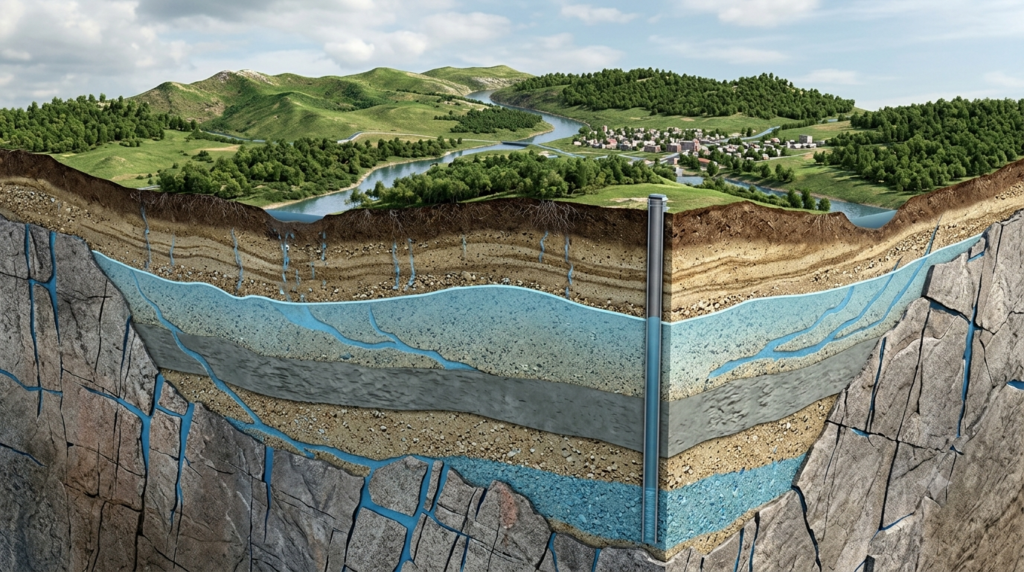
For example, groundwater provides drinking water and supports agriculture in many regions. However, excessive pumping can lower groundwater levels and reduce water availability. Environmental scientists investigate such problems and recommend conservation measures, including rainwater harvesting, efficient irrigation, and groundwater monitoring.
The study of natural resources helps society meet present needs while preserving resources for future generations.
2. Pollution and Its Control
Pollution occurs when harmful substances or forms of energy enter the environment and cause undesirable changes. It can affect air, water, soil, and the surroundings in which organisms live.
Environmental science studies the sources, movement, effects, and prevention of pollution.
Air pollution may result from vehicle exhaust, industrial emissions, construction dust, and the burning of fuels. Water pollution can arise from untreated sewage, industrial waste, agricultural runoff, and plastic waste. Soil pollution may result from pesticides, heavy metals, and improper disposal of hazardous materials.
Scientists measure pollutants, identify their sources, assess their effects on human health and ecosystems, and develop methods to reduce them. These methods include wastewater treatment, cleaner industrial technologies, emission controls, recycling, and improved waste management.
Pollution control is an important part of environmental science because it helps protect public health, maintain ecosystem quality, and improve living conditions.
3. Ecology and Ecosystem Studies
Ecology is the branch of biology that studies the relationships between organisms and their environment. It is one of the central areas of environmental science.
Environmental scientists use ecological principles to understand how organisms interact with one another and with their surroundings. They study populations, communities, food chains, food webs, nutrient cycles, and energy flow through ecosystems.
Ecosystems such as forests, grasslands, deserts, wetlands, rivers, and oceans differ in their climate, species, and physical conditions. However, each depends on interactions among living organisms and environmental factors.
For example, removing predators from an ecosystem may cause the population of certain prey species to increase. This can place pressure on vegetation and change the structure of the ecosystem.
Ecological knowledge helps scientists evaluate environmental damage, restore degraded habitats, manage wildlife populations, and protect ecosystem services such as pollination, soil formation, and water purification.
4. Biodiversity Conservation
Biodiversity refers to the variety of life at genetic, species, and ecosystem levels. It includes the differences among individuals within a species, the variety of species in an area, and the range of ecosystems found across the planet.
Environmental science studies the importance of biodiversity and the threats that cause its decline. Major threats include habitat destruction, pollution, climate change, invasive species, and the overexploitation of wildlife and other natural resources.
The loss of biodiversity can disturb food webs, reduce ecosystem stability, and threaten resources that people depend on for food, medicine, and livelihoods.
Biodiversity conservation involves protecting natural habitats, establishing wildlife reserves, restoring damaged ecosystems, controlling invasive species, and supporting sustainable resource use.
Environmental scientists also study endangered species and develop conservation plans based on population data, habitat requirements, and ecological relationships.
5. Climate Change and Global Environmental Issues
Climate change is one of the most significant subjects within environmental science. It involves long-term changes in temperature, rainfall patterns, sea levels, and other aspects of Earth’s climate.
Human activities, particularly the burning of fossil fuels and deforestation, have increased atmospheric concentrations of greenhouse gases. These gases trap heat and contribute to global warming.
Environmental science investigates the causes and consequences of climate change, including heatwaves, changing precipitation patterns, glacier loss, rising sea levels, and risks to ecosystems and agriculture.
Scientists use climate observations, computer models, and environmental records to understand past changes and estimate possible future conditions.
The field also explores mitigation and adaptation strategies. Mitigation includes reducing greenhouse gas emissions through renewable energy, energy efficiency, and forest protection. Adaptation involves preparing for climate-related impacts through measures such as improved water management, resilient infrastructure, and climate-informed agriculture.
Other global environmental issues studied in this field include ozone layer depletion, ocean acidification, desertification, and the accumulation of persistent pollutants.
6. Forest and Wildlife Management
Forests support biodiversity, store carbon, regulate water cycles, protect soil, and provide resources for human communities. Wildlife plays important roles in pollination, seed dispersal, food webs, and ecosystem functioning.
Environmental science examines how forests and wildlife populations respond to natural processes and human activities. Logging, mining, agricultural expansion, urban development, and illegal hunting can damage habitats and reduce wildlife populations.
Forest management focuses on maintaining forest health while allowing responsible use of forest resources. Wildlife management involves protecting habitats, monitoring populations, reducing human-wildlife conflict, and preventing illegal wildlife trade.
Environmental scientists may use field surveys, satellite imagery, camera traps, and population models to study changes in forests and wildlife.
Their findings support conservation planning and help maintain the ecological functions that forests and wildlife provide.
7. Water Resources and Management
Water is essential for drinking, sanitation, agriculture, industry, and ecosystem survival. However, freshwater availability varies across regions, and many communities face challenges related to water scarcity, contamination, and unequal access.
Environmental science studies the water cycle, surface water, groundwater, watersheds, wetlands, rivers, lakes, and oceans. It also examines how climate, land use, population growth, and industrial development affect water availability and quality.
Water resource management aims to use water efficiently while protecting aquatic ecosystems. Important approaches include rainwater harvesting, watershed management, wastewater treatment, groundwater recharge, and the prevention of water pollution.
For example, a watershed may supply water to farms, villages, and cities. Deforestation or poorly planned construction within that watershed can increase soil erosion and surface runoff, potentially affecting water quality and flood risks.
Understanding these connections helps environmental scientists develop integrated strategies for protecting water resources.
8. Soil Conservation and Land Management
Soil supports plant growth, stores nutrients, regulates water movement, and provides habitats for numerous organisms. Healthy soil is essential for agriculture and the long-term functioning of terrestrial ecosystems.
Environmental science studies soil formation, soil properties, erosion, fertility, contamination, and degradation. It also investigates how farming practices, deforestation, mining, construction, and improper waste disposal affect land quality.
Soil erosion occurs when wind or water removes the upper layers of soil. It can reduce agricultural productivity, increase sediment in rivers, and damage aquatic habitats.
Soil conservation methods include planting vegetation, contour farming, terracing, crop rotation, mulching, and maintaining ground cover.
Environmental scientists also investigate land restoration techniques for areas damaged by mining, industrial activity, and unsustainable agriculture.
9. Waste Management and Recycling
Waste management is another important area within environmental science. Growing populations, urbanization, industrial production, and changing consumption patterns generate large amounts of solid waste, wastewater, and hazardous materials.
If waste is not managed properly, it can contaminate soil and water, release harmful gases, attract disease-carrying organisms, and damage wildlife habitats.
Environmental science examines waste generation, composition, treatment, disposal, and the environmental effects of different waste-management systems.
Important approaches include reducing unnecessary consumption, reusing materials, recycling suitable waste, composting biodegradable materials, and safely treating hazardous waste.
The waste hierarchy generally prioritizes prevention and reduction before reuse, recycling, recovery, and disposal.
For example, composting food scraps can turn organic waste into a useful soil amendment. Recycling metals and paper can reduce the need for some raw materials and help conserve energy and resources.
Effective waste management requires scientific planning, appropriate infrastructure, public participation, and responsible practices by industries and households.
10. Environmental Health and Human Well-Being
Environmental conditions have a direct influence on human health. Polluted air, contaminated drinking water, unsafe sanitation, hazardous chemicals, and extreme heat can increase health risks.
Environmental health studies how physical, chemical, and biological factors in the environment affect human well-being.
Scientists examine exposure to pollutants, the safety of drinking water, indoor and outdoor air quality, environmental noise, and the effects of hazardous substances. They may also investigate how environmental conditions contribute to respiratory illnesses, waterborne diseases, and other health problems.
For example, exposure to fine particulate matter in polluted air can affect the respiratory and cardiovascular systems. Contaminated water can spread infectious diseases, while unsafe chemical exposure may cause harmful effects depending on the substance, dose, and duration of exposure.
Environmental health research helps authorities establish safety standards, improve sanitation, reduce exposure to harmful substances, and design healthier communities.
11. Environmental Impact Assessment
Environmental impact assessment, commonly called EIA, is a process used to evaluate the likely environmental consequences of a proposed project before major decisions are made.
Projects such as highways, dams, mines, factories, power plants, and large construction developments may affect land, water, air, wildlife, and nearby communities.
An environmental impact assessment identifies potential effects, evaluates their significance, and considers ways to avoid, minimize, or manage negative outcomes.
The process may include collecting baseline environmental data, examining alternative project designs, consulting affected communities, predicting impacts, and proposing mitigation measures.
For example, before a road is built through a forested area, an assessment may investigate habitat fragmentation, wildlife movement, erosion, drainage changes, and noise pollution.
Environmental impact assessment supports better planning by helping decision-makers consider environmental consequences alongside economic and social needs. Its requirements and procedures vary according to the country, project type, and applicable laws.
12. Sustainable Development and Environmental Planning
Sustainable development aims to meet present needs without compromising the ability of future generations to meet their own needs.
Environmental science contributes to sustainable development by providing information about resource availability, ecosystem limits, pollution, climate risks, and the long-term consequences of human activities.
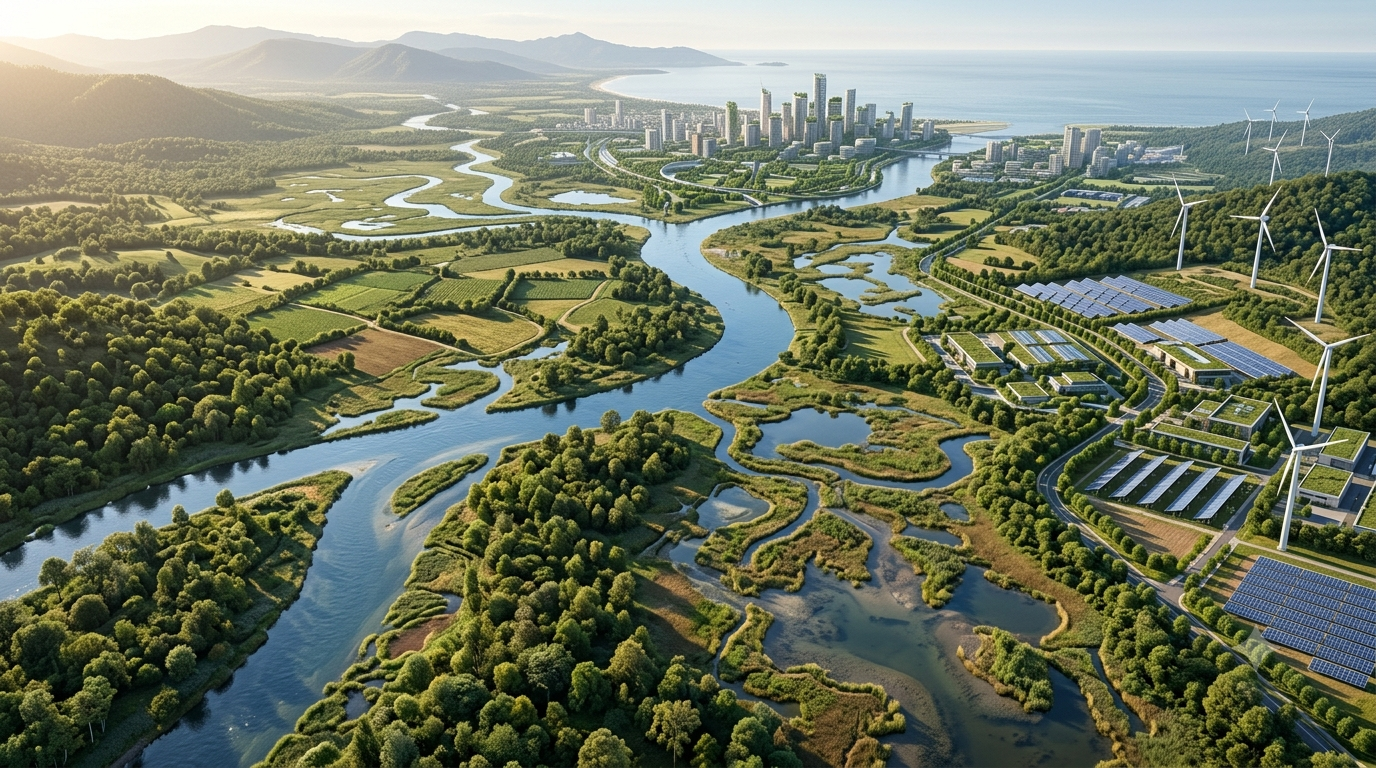
It supports planning in areas such as renewable energy, sustainable agriculture, public transportation, green buildings, water conservation, and urban development.
For example, cities can reduce environmental pressure by improving public transport, protecting green spaces, using energy-efficient buildings, and developing effective waste collection systems.
Environmental scientists work with engineers, policymakers, economists, planners, and local communities to identify solutions that are environmentally sound and socially practical.
Sustainable development requires balancing environmental protection with economic opportunities and social well-being rather than treating these objectives as completely separate concerns.
Major Branches of Environmental Science
Environmental science covers many interconnected subjects. Its major branches focus on different aspects of the environment, but they often work together to explain complex environmental problems.
1. Ecology
Ecology studies the relationships between living organisms and their surroundings. It examines how organisms obtain resources, interact with other species, reproduce, and respond to environmental changes.
Major topics include populations, communities, ecosystems, food webs, ecological succession, and nutrient cycling.
Ecology is important for understanding habitat loss, species decline, invasive species, and ecosystem restoration. Its principles also support wildlife conservation and sustainable management of natural resources.
2. Environmental Chemistry
Environmental chemistry investigates the chemical composition of the environment and the reactions that occur in air, water, soil, and living organisms.
It studies pollutants such as pesticides, heavy metals, industrial chemicals, and atmospheric gases. Environmental chemists examine how these substances enter the environment, how they change through chemical reactions, and how long they remain there.
For example, they may investigate the chemical reactions responsible for acid rain or analyze contaminants in groundwater.
Environmental chemistry supports pollution monitoring, water treatment, waste management, and the development of safer industrial processes.
3. Environmental Biology
Environmental biology studies living organisms in relation to environmental conditions and human activities. It includes research on plants, animals, microorganisms, and their responses to pollution, habitat change, and climate variation.
This branch helps explain how environmental stress affects growth, reproduction, survival, and species distribution.
Environmental biologists may study the effects of pesticides on insects, the response of aquatic organisms to contaminated water, or the recovery of plant communities after habitat restoration.
Their findings contribute to biodiversity protection, ecological restoration, and environmental risk assessment.
4. Environmental Geology
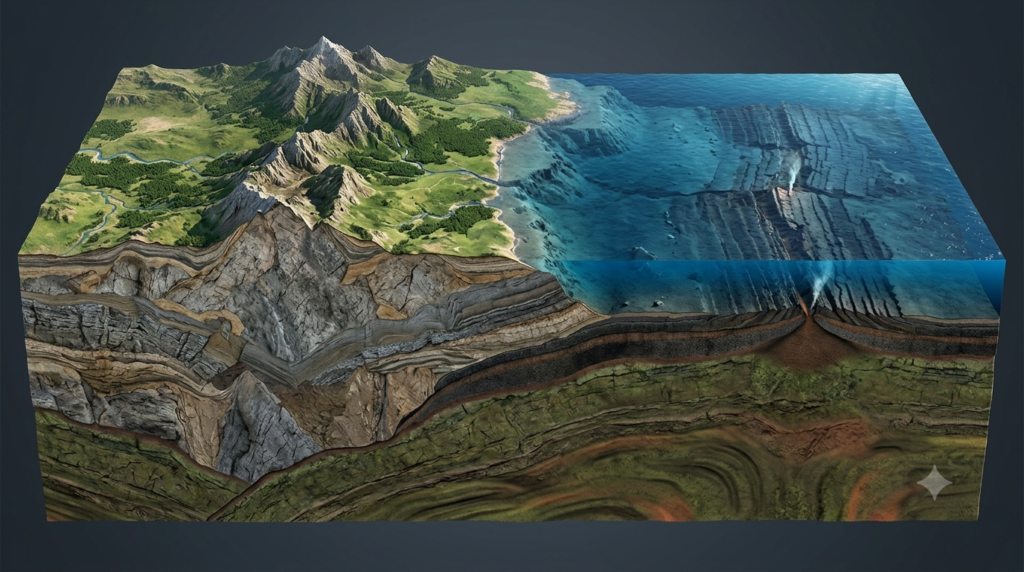
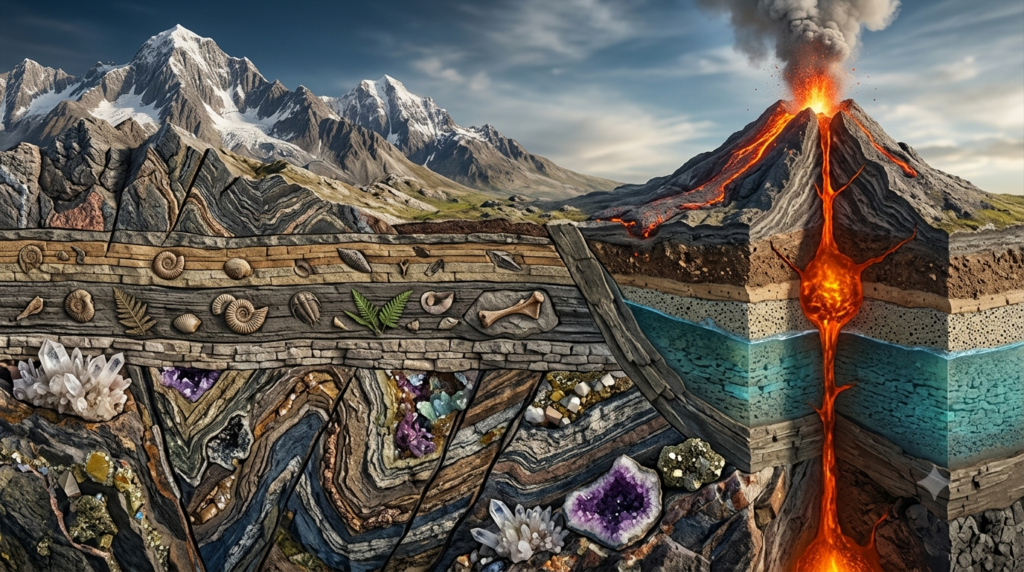
Environmental geology examines the relationships between geological processes, Earth’s materials, and environmental conditions. It focuses on rocks, minerals, soils, groundwater, landforms, and geological hazards.
This branch investigates problems such as soil erosion, landslides, groundwater contamination, land subsidence, and the environmental consequences of mining.
Environmental geologists also study how geological conditions influence the availability of natural resources and the suitability of land for construction.
Their work is useful in land-use planning, waste disposal site selection, groundwater protection, and the assessment of natural hazards.
5. Environmental Physics
Environmental physics applies the principles of physics to environmental processes. It studies energy transfer, radiation, heat, atmospheric movement, sound, and the physical behavior of pollutants.
For example, environmental physicists investigate how sunlight interacts with the atmosphere, how heat moves through buildings, and how wind influences the dispersion of air pollutants.
They may also contribute to research on solar energy, energy efficiency, and climate processes.
Environmental physics provides a scientific foundation for understanding the movement of energy and matter through environmental systems.
6. Atmospheric Science
Atmospheric science studies Earth’s atmosphere, including its composition, structure, circulation, and interactions with the land and oceans.
It includes the study of weather, climate, clouds, atmospheric gases, and air pollution.
Atmospheric scientists investigate the formation of storms, the movement of air masses, the distribution of greenhouse gases, and the behavior of pollutants in the atmosphere.
Their research supports weather forecasting, climate monitoring, air quality management, and the evaluation of atmospheric changes.
Atmospheric science is closely connected to environmental chemistry, environmental physics, and climate science.
7. Hydrology and Aquatic Science
Hydrology is the study of water movement, distribution, and storage on Earth’s surface and underground. It examines rainfall, runoff, river flow, groundwater recharge, evaporation, and the movement of water through watersheds.
Aquatic science focuses more broadly on water environments and the organisms and processes associated with them. It includes freshwater science and marine science.
These fields help scientists understand floods, droughts, groundwater depletion, aquatic pollution, and changes in freshwater availability.
Their findings support water supply planning, flood management, wetland conservation, and the protection of rivers, lakes, and oceans.
8. Soil Science
Soil science examines the formation, composition, properties, classification, and functions of soil.
It studies soil minerals, organic matter, microorganisms, nutrients, moisture, and the processes that influence soil fertility and structure.
Within environmental science, soil research helps explain land degradation, erosion, contamination, and the effects of agricultural practices on soil health.
Soil scientists develop methods for maintaining fertility, reducing erosion, restoring degraded land, and managing contaminated sites.
Healthy soil is important not only for agriculture but also for water filtration, carbon storage, nutrient cycling, and terrestrial biodiversity.
9. Conservation Science
Conservation science uses scientific methods to protect biodiversity, habitats, and natural resources. It combines ecological knowledge with population studies, genetics, geography, and environmental management.
This branch examines why species become threatened, how habitats can be protected, and which conservation strategies are most effective.
Researchers may assess endangered species populations, identify important wildlife corridors, monitor changes in protected areas, and evaluate habitat restoration projects.
Conservation science helps governments and organizations make informed decisions about protected areas, wildlife management, and the sustainable use of natural resources.
10. Environmental Toxicology
Environmental toxicology studies the harmful effects of chemicals and other environmental agents on living organisms.
It investigates how pollutants enter organisms, how they are absorbed and processed, and how exposure can affect growth, reproduction, behavior, and survival.
The field examines substances such as pesticides, industrial chemicals, heavy metals, and certain persistent pollutants.
Environmental toxicologists may conduct laboratory studies, analyze environmental samples, and investigate the effects of contamination on wildlife or human health.
Their work helps identify environmental hazards, assess risks, and develop guidelines for the safer handling and use of potentially harmful substances.
11. Environmental Engineering
Environmental engineering applies engineering principles and scientific knowledge to prevent pollution, protect public health, and improve environmental quality.
It includes the design and operation of wastewater treatment plants, drinking water systems, air pollution controls, solid waste facilities, and contaminated-site cleanup systems.
Environmental engineers also develop technologies for resource recovery, energy efficiency, and the treatment of hazardous materials.
For example, a wastewater treatment system can remove suspended solids, organic matter, and certain pollutants before water is released into the environment or reused for suitable purposes.
Environmental engineering converts scientific understanding into practical systems that help communities and industries manage environmental challenges.
12. Environmental Economics and Policy
Environmental economics studies the economic causes and consequences of environmental problems. It examines how production, consumption, markets, and public policies influence natural resources and environmental quality.
Environmental policy focuses on the laws, regulations, strategies, and institutions used to address environmental issues.
These areas explore questions such as how pollution costs should be managed, how conservation can be funded, and how environmental standards can encourage cleaner production.
Environmental economists and policy specialists may evaluate pollution taxes, resource pricing, conservation incentives, and the costs and benefits of environmental regulations.
Their work helps decision-makers compare different approaches while considering environmental protection, economic activity, and social welfare.
Importance of Environmental Science in Everyday Life
Environmental science is not limited to research laboratories, universities, or government agencies. Its principles influence many ordinary activities and decisions.
Protecting human health: Understanding air and water pollution helps people recognize environmental health risks and supports the development of safer communities.
Conserving natural resources: Scientific knowledge encourages responsible use of water, energy, forests, minerals, and agricultural land.
Improving waste management: Environmental science supports recycling, composting, waste reduction, and safer disposal methods.
Supporting agriculture: Soil research, water management, and ecological knowledge help farmers improve productivity while reducing environmental damage.
Responding to climate change: Environmental research helps communities prepare for extreme weather, manage climate risks, and reduce greenhouse gas emissions.
Protecting biodiversity: Knowledge of ecosystems and species interactions supports habitat conservation and wildlife protection.
Guiding development: Environmental assessments and planning help identify potential environmental problems before projects are implemented.
Through these applications, environmental science contributes to healthier living conditions, more responsible resource use, and better long-term planning.
Career Opportunities in Environmental Science
The broad scope of environmental science creates opportunities in research, industry, education, government, consulting, and conservation.
People with relevant education and training may work as environmental scientists, ecologists, environmental consultants, pollution control specialists, conservation officers, environmental laboratory analysts, sustainability professionals, or environmental educators.
Some careers focus on collecting and analyzing environmental data, while others involve field surveys, regulatory compliance, project assessment, or the design of pollution-control systems.
Environmental science graduates may also work with non-governmental organizations, research institutions, universities, public agencies, and private companies.
Specific job requirements vary by role. Research positions may require advanced degrees, while technical and field-based positions may require specialized laboratory, surveying, or environmental monitoring skills.
As societies place greater emphasis on sustainability, pollution prevention, biodiversity conservation, and climate resilience, environmental knowledge continues to be valuable across many professional fields.
Conclusion
Environmental science is a broad and interdisciplinary field that helps explain the relationships between human activities and the natural environment. Its scope includes natural resource management, pollution control, ecology, biodiversity conservation, climate change, water resources, soil protection, waste management, environmental health, and sustainable development.
Its major branches, including environmental chemistry, ecology, environmental geology, atmospheric science, hydrology, conservation science, and environmental engineering, contribute different forms of knowledge to understanding and solving environmental problems. These branches often work together because environmental challenges rarely have a single cause or a simple solution.
By combining scientific research with responsible planning and practical action, environmental science helps protect ecosystems, improve human well-being, and conserve resources for future generations. Understanding this field is therefore important for anyone interested in nature, public health, sustainable development, or the future of our planet.
FAQs
1. What is environmental science?
Environmental science is an interdisciplinary field that studies the natural environment and the interactions between living organisms and their surroundings. It examines air, water, soil, ecosystems, natural resources, and the effects of human activities on environmental conditions. The field combines knowledge from biology, chemistry, physics, geology, ecology, and other disciplines to understand environmental problems. It also investigates issues such as pollution, climate change, deforestation, and biodiversity loss. Environmental science helps scientists develop practical solutions for protecting natural resources, improving human health, and maintaining ecological balance. Its main goal is to support a healthier and more sustainable relationship between humans and nature.
2. What is the scope of environmental science?
The scope of environmental science includes the study, protection, and management of the natural environment. It covers natural resources, pollution control, ecosystem conservation, biodiversity, climate change, water management, soil conservation, and waste disposal. It also examines environmental health, environmental impact assessment, sustainable development, and the effects of industrialization and urbanization. Environmental science helps identify environmental problems, understand their causes, assess their consequences, and develop effective solutions. Its applications extend to agriculture, industry, public health, urban planning, and government policymaking. Because environmental challenges affect both nature and society, this field combines scientific research with practical approaches to promote responsible resource use.
3. What are the major branches of environmental science?
The major branches of environmental science include ecology, environmental chemistry, environmental biology, environmental geology, environmental physics, atmospheric science, hydrology, soil science, conservation science, environmental toxicology, environmental engineering, and environmental economics. Each branch investigates a particular aspect of the environment. For example, ecology studies relationships between organisms and their surroundings, while environmental chemistry examines pollutants and chemical processes in air, water, and soil. Environmental engineering develops systems for pollution control and waste treatment. These branches often overlap because environmental problems involve several interconnected processes. Together, they provide the knowledge needed to understand environmental changes, protect ecosystems, manage resources, and improve environmental quality.
4. Why is environmental science called an interdisciplinary subject?
Environmental science is called an interdisciplinary subject because it combines knowledge and methods from several scientific and social disciplines. Biology helps explain living organisms and ecosystems, chemistry investigates pollutants and chemical reactions, and physics explains energy transfer and environmental processes. Geology contributes knowledge about rocks, soil, groundwater, and natural hazards. Geography helps examine the spatial distribution of environmental features, while economics and sociology explain how human behavior and economic activities affect the environment. These disciplines work together to investigate complex problems such as climate change, water pollution, and deforestation. This integrated approach helps scientists develop more complete and practical solutions to environmental challenges.
5. What is the difference between environmental science and ecology?
Environmental science and ecology are closely related, but they differ in scope. Ecology primarily studies the relationships between organisms and their living and non-living surroundings. It focuses on populations, communities, ecosystems, food webs, and ecological interactions. Environmental science is broader because it includes ecology alongside chemistry, geology, physics, environmental health, engineering, economics, and policy. For example, an ecologist may investigate how pollution affects fish populations in a lake, while an environmental scientist may also analyze the chemical pollutants, identify their sources, evaluate health risks, and recommend treatment methods. Therefore, ecology is an important part of environmental science, but environmental science addresses a wider range of environmental issues.
6. How does environmental science help control pollution?
Environmental science helps control pollution by identifying harmful substances, determining their sources, measuring their concentrations, and evaluating their effects on living organisms and ecosystems. Scientists analyze air, water, and soil samples to detect contamination and monitor environmental quality. They also investigate methods for preventing or reducing pollution, including wastewater treatment, emission controls, recycling, and safer industrial processes. Environmental research provides evidence for developing pollution standards, waste-management policies, and public health guidelines. For example, studying industrial wastewater can help identify contaminants and determine appropriate treatment methods before the water is discharged. These scientific approaches reduce environmental damage and support healthier living conditions.
7. What is the role of environmental science in sustainable development?
Environmental science supports sustainable development by helping society use natural resources responsibly while protecting ecosystems and human well-being. It provides information about resource availability, pollution, biodiversity, climate risks, and the long-term effects of development activities. This knowledge helps governments, businesses, and communities make informed decisions about energy production, agriculture, transportation, construction, and waste management. Environmental scientists may recommend renewable energy, water conservation, sustainable farming, and habitat protection to reduce environmental pressure. They also assess the possible impacts of development projects and suggest ways to minimize harm. By combining scientific evidence with effective planning, environmental science helps meet present needs without compromising future generations.
8. What is environmental impact assessment?
Environmental impact assessment, commonly known as EIA, is a process used to identify and evaluate the potential environmental effects of a proposed project before major decisions are made. It may be applied to projects such as highways, dams, factories, mines, and power plants, depending on applicable laws and requirements. The process can involve collecting information about existing environmental conditions, predicting possible impacts, examining alternatives, and recommending measures to reduce harm. For example, an assessment for a highway project may examine habitat destruction, noise, air pollution, and changes in drainage. Environmental impact assessment supports informed decision-making and helps incorporate environmental considerations into development planning.
9. What career opportunities are available in environmental science?
Environmental science offers career opportunities in research, conservation, industry, education, government, and environmental consulting. Depending on their qualifications and experience, professionals may work as environmental scientists, ecologists, environmental engineers, pollution control specialists, conservation officers, laboratory analysts, or sustainability consultants. They may monitor environmental quality, assess pollution risks, study wildlife, manage natural resources, or help organizations comply with environmental regulations. Other opportunities exist in climate research, waste management, environmental education, and sustainable development. Relevant skills may include fieldwork, laboratory analysis, environmental sampling, data interpretation, and scientific communication. Some positions require specialized degrees or professional training, so the appropriate qualifications depend on the chosen career path.
10. Why is environmental science important for the future?
Environmental science is important for the future because human societies depend on healthy ecosystems and reliable natural resources. Population growth, urbanization, pollution, climate change, and biodiversity loss place increasing pressure on the environment. Scientific research helps explain these challenges and identifies ways to reduce their effects. Environmental science supports clean energy development, sustainable agriculture, water conservation, pollution prevention, habitat restoration, and climate adaptation. It also helps communities prepare for environmental risks and make better decisions about land use and resource management. By applying environmental knowledge in education, industry, government, and everyday life, people can contribute to protecting ecosystems and creating healthier conditions for future generations.