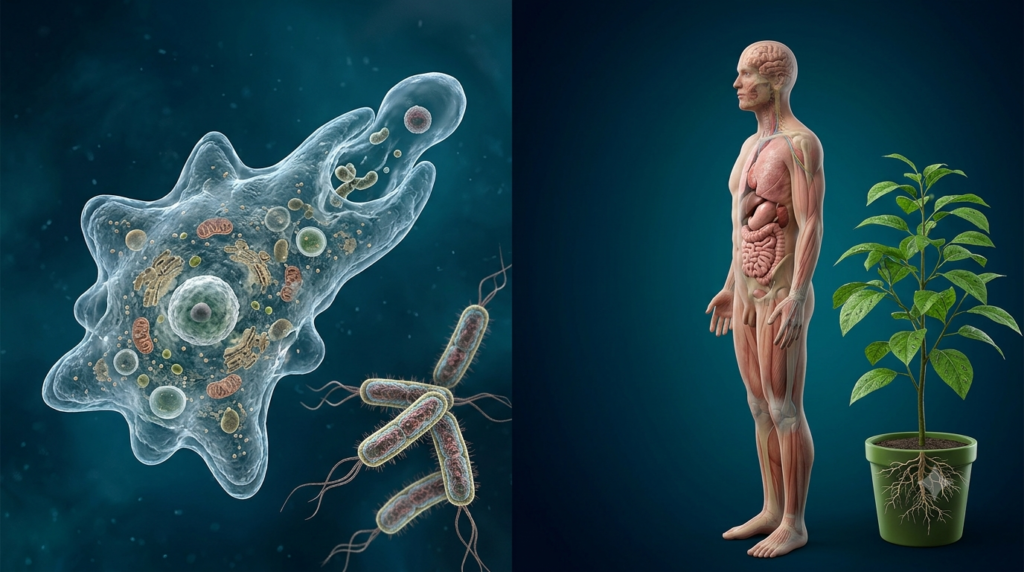
Unicellular vs Multicellular Organisms and Their Key Differences
Living organisms show an incredible variety of forms, sizes, and structures. Some organisms consist of just one cell, while others
Biology is the study of life and living organisms, covering how life functions, develops, interacts, and evolves. This category explores important biology topics such as cell biology, genetics, human biology, microbiology, ecology, evolution, plant biology, animal biology, and the human body. Readers can learn about cells and their functions, DNA and heredity, biological processes, ecosystems, biodiversity, and the relationships between organisms and their environment. The Biology category provides simple, clear, and informative explanations designed for students, learners, and anyone interested in understanding life sciences, biological concepts, and the natural world.
Living organisms show an incredible variety of forms, sizes, and structures. Some organisms consist of just one cell, while others
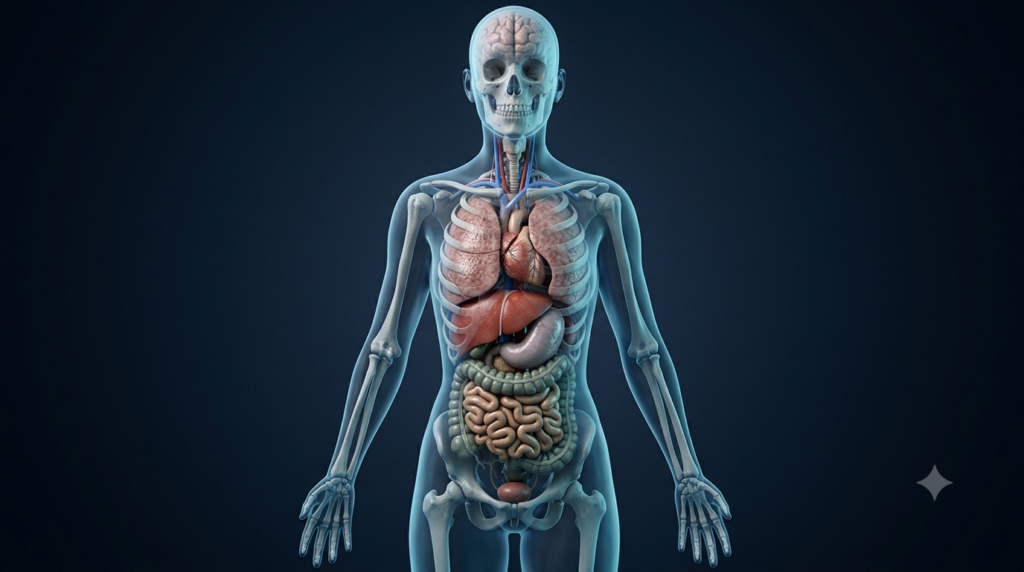
The human body is a complex and well-organized structure made up of trillions of cells. These cells work together to
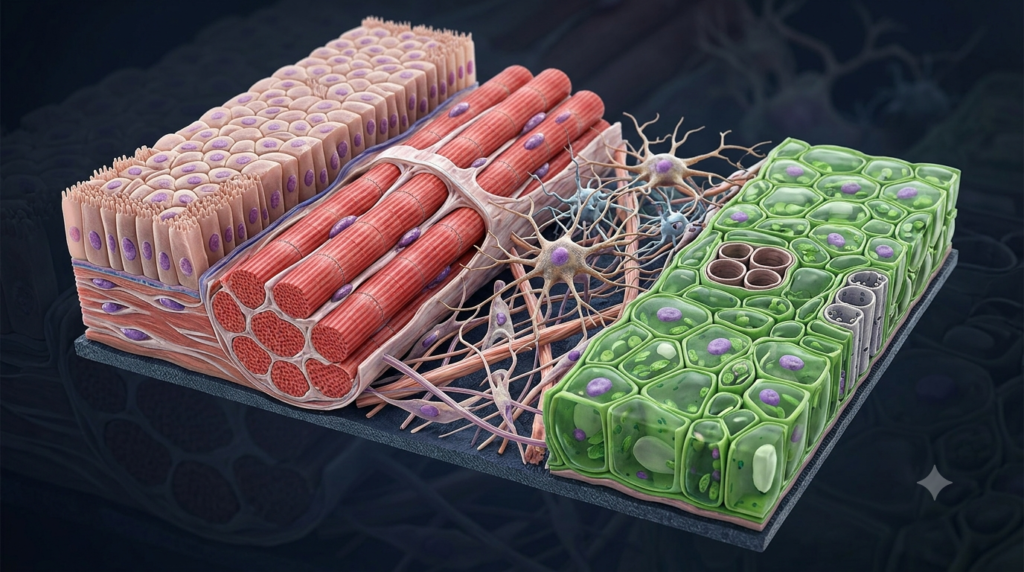
Living organisms are made up of cells, the basic structural and functional units of life. In multicellular organisms, such as
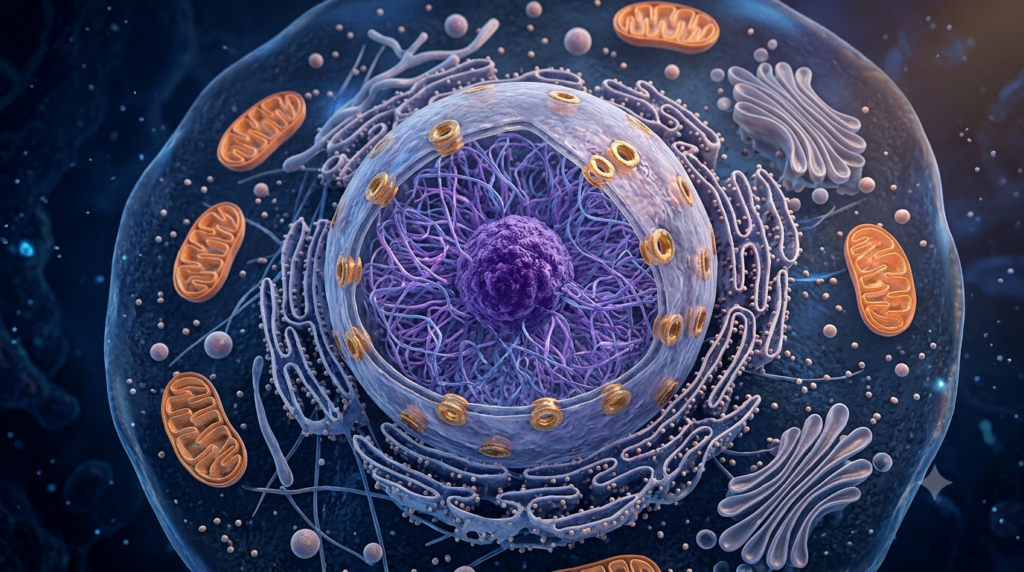
The cell is the basic structural and functional unit of life. Every living organism, from a single-celled bacterium to a
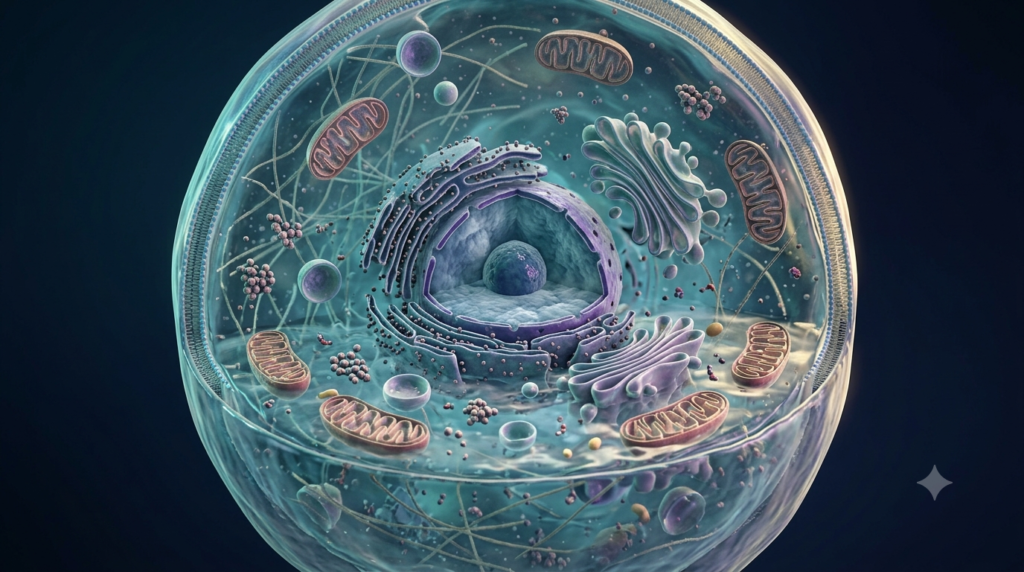
Every living organism is made up of cells, which are the basic structural and functional units of life. Inside each
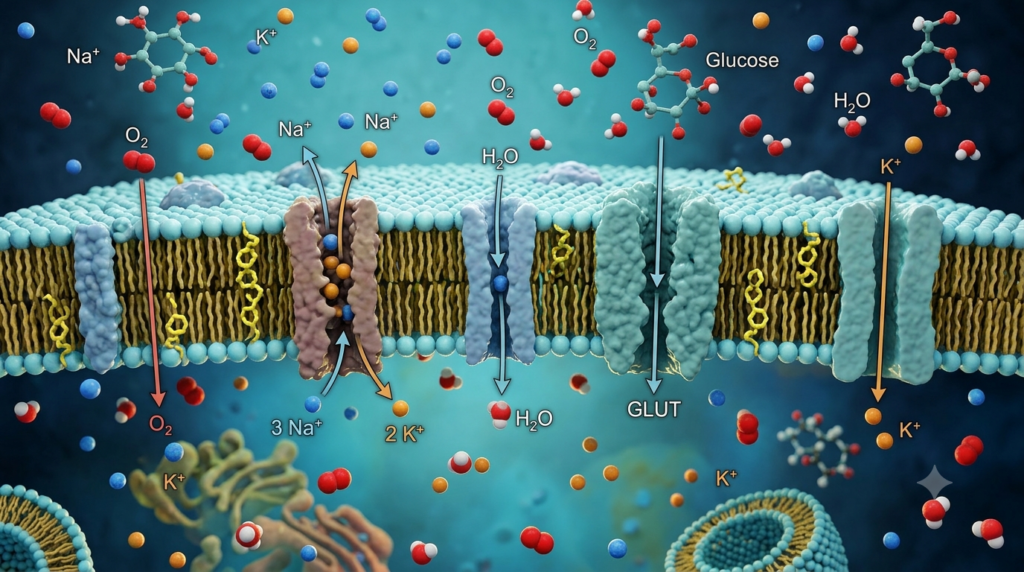
Every living organism is made up of cells, and each cell requires a stable internal environment to function properly. Nutrients
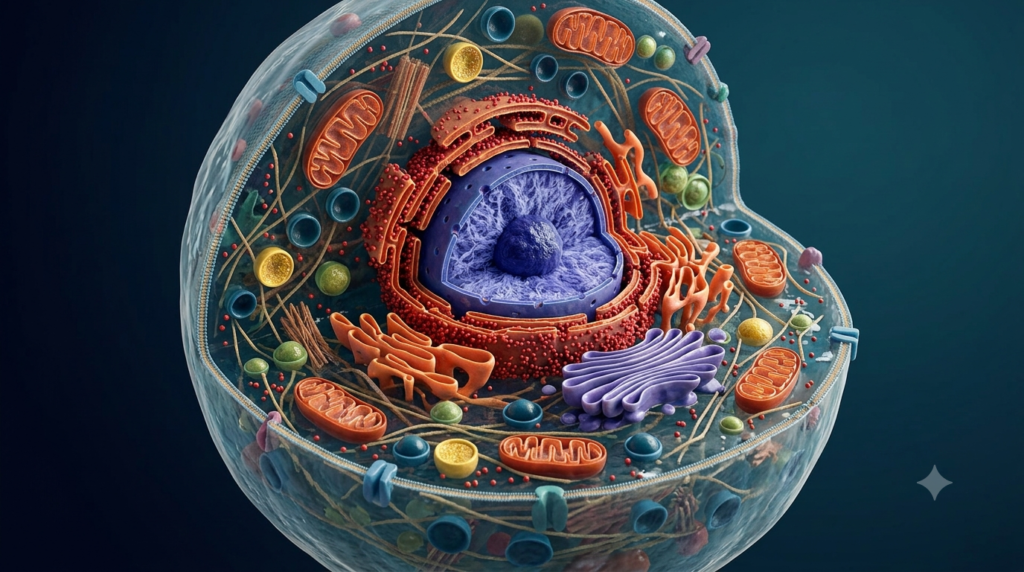
Cells are the basic structural and functional units of all living organisms. Every living thing, from microscopic bacteria to large
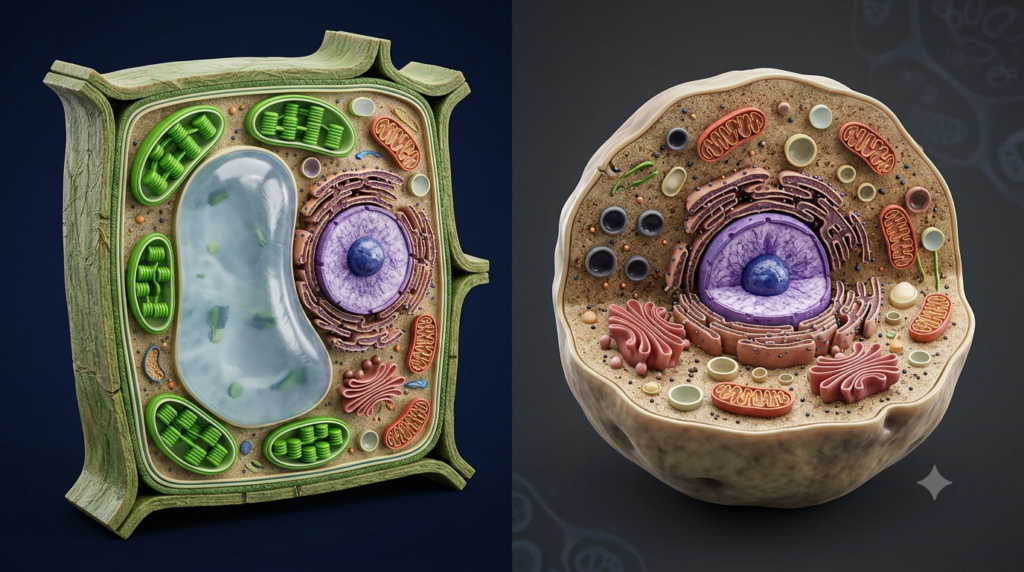
All living organisms are made of cells, the basic structural and functional units of life. Cells perform essential activities such
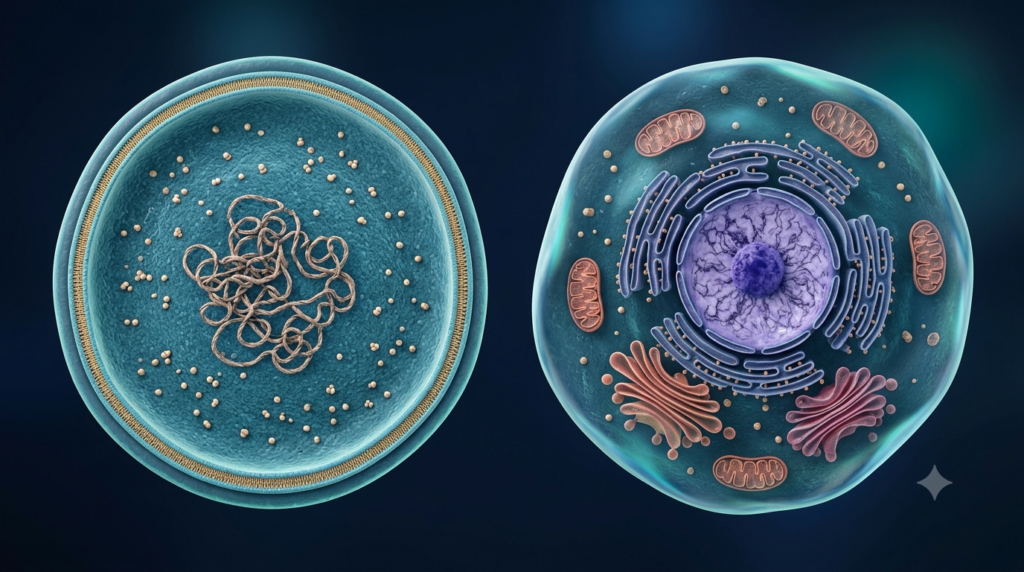
Every living organism, from microscopic bacteria to enormous trees and animals, is made up of cells. A cell is the
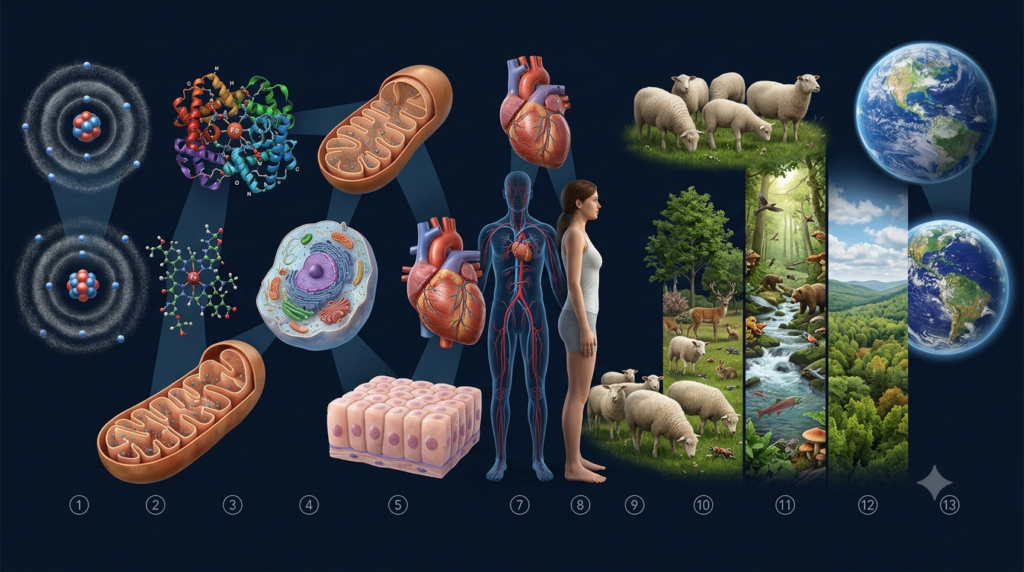
Living organisms are made up of many different structures that work together to maintain life. From the smallest atoms that
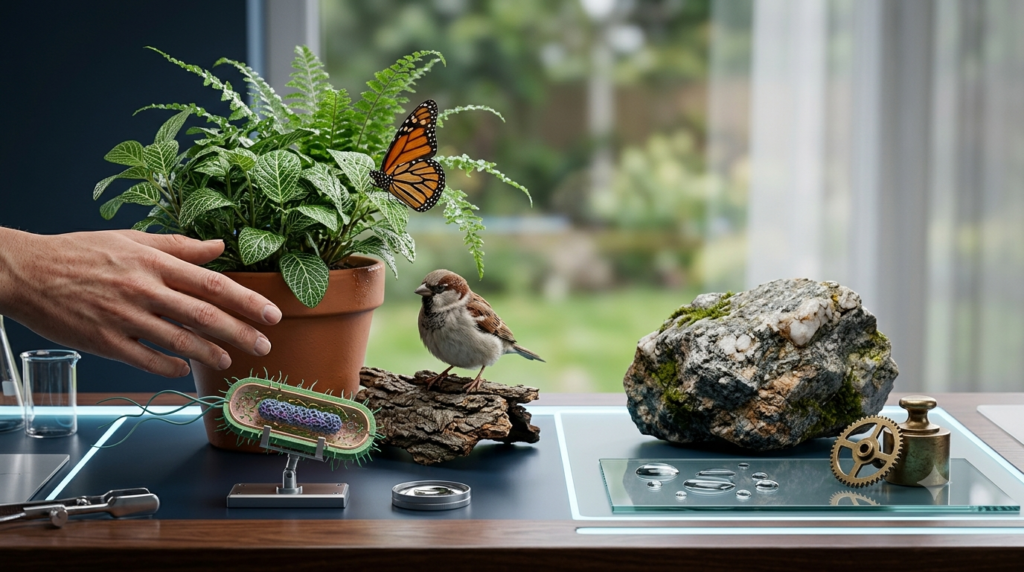
The world around us contains many different objects, from tiny bacteria and green plants to animals, rocks, rivers, and machines.
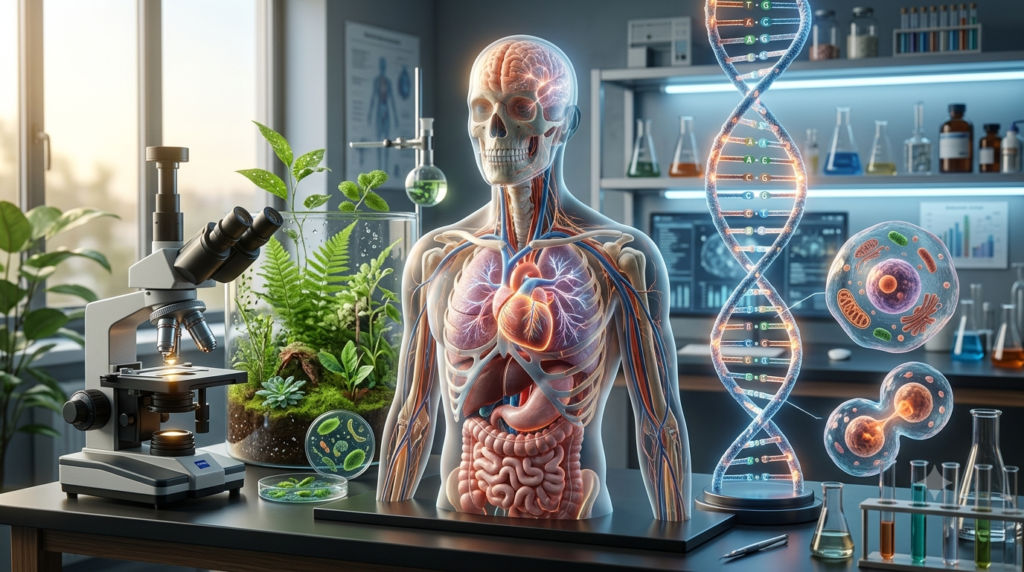
Biology is the branch of science that studies life and living organisms. It helps us understand how plants grow, how