Chemical Formula vs Chemical Equation

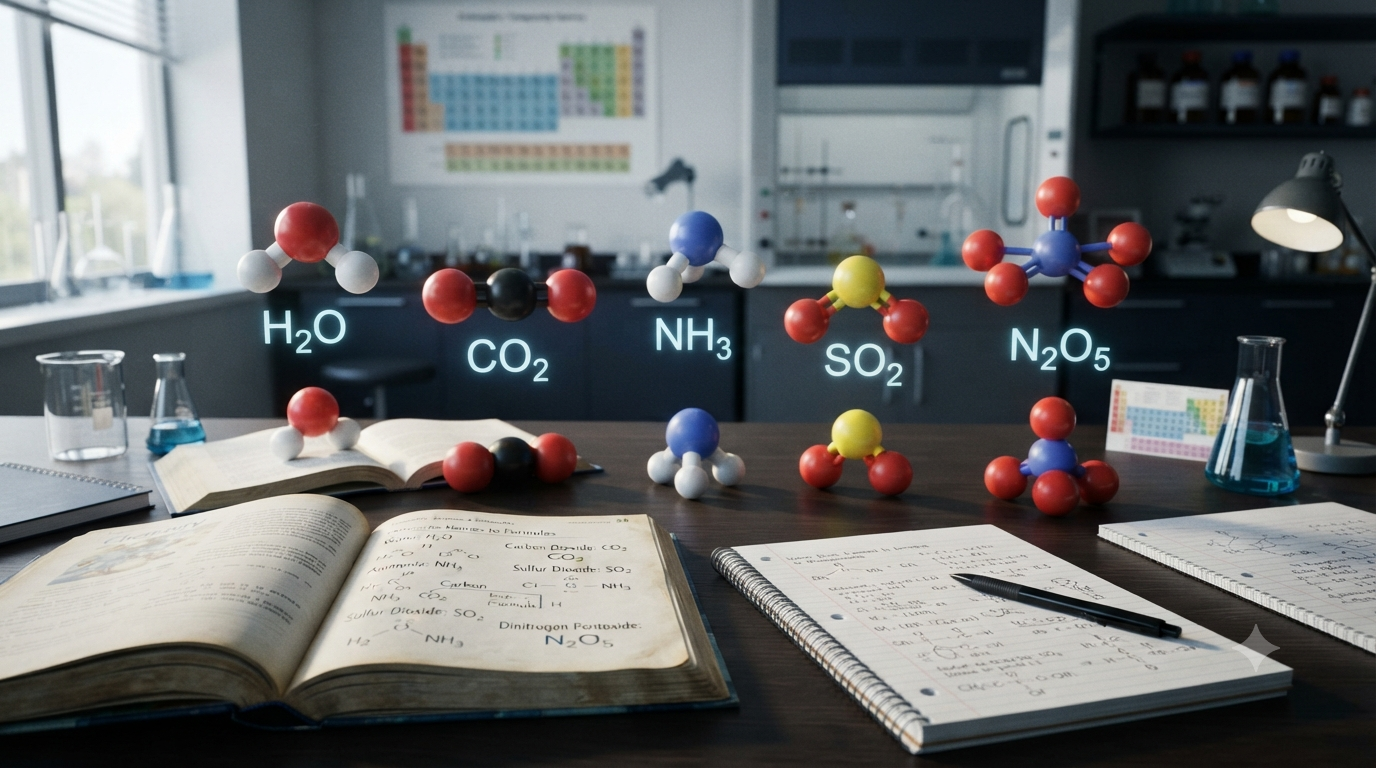
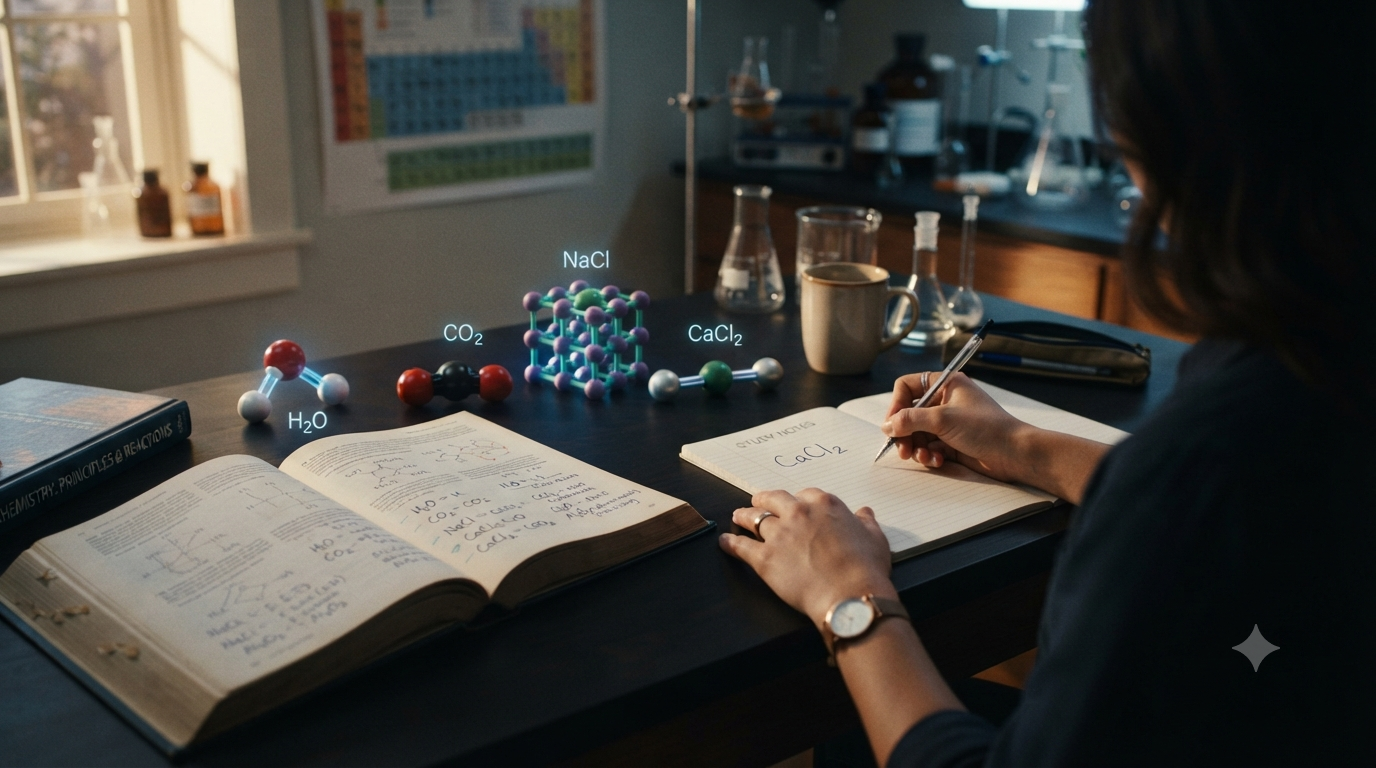
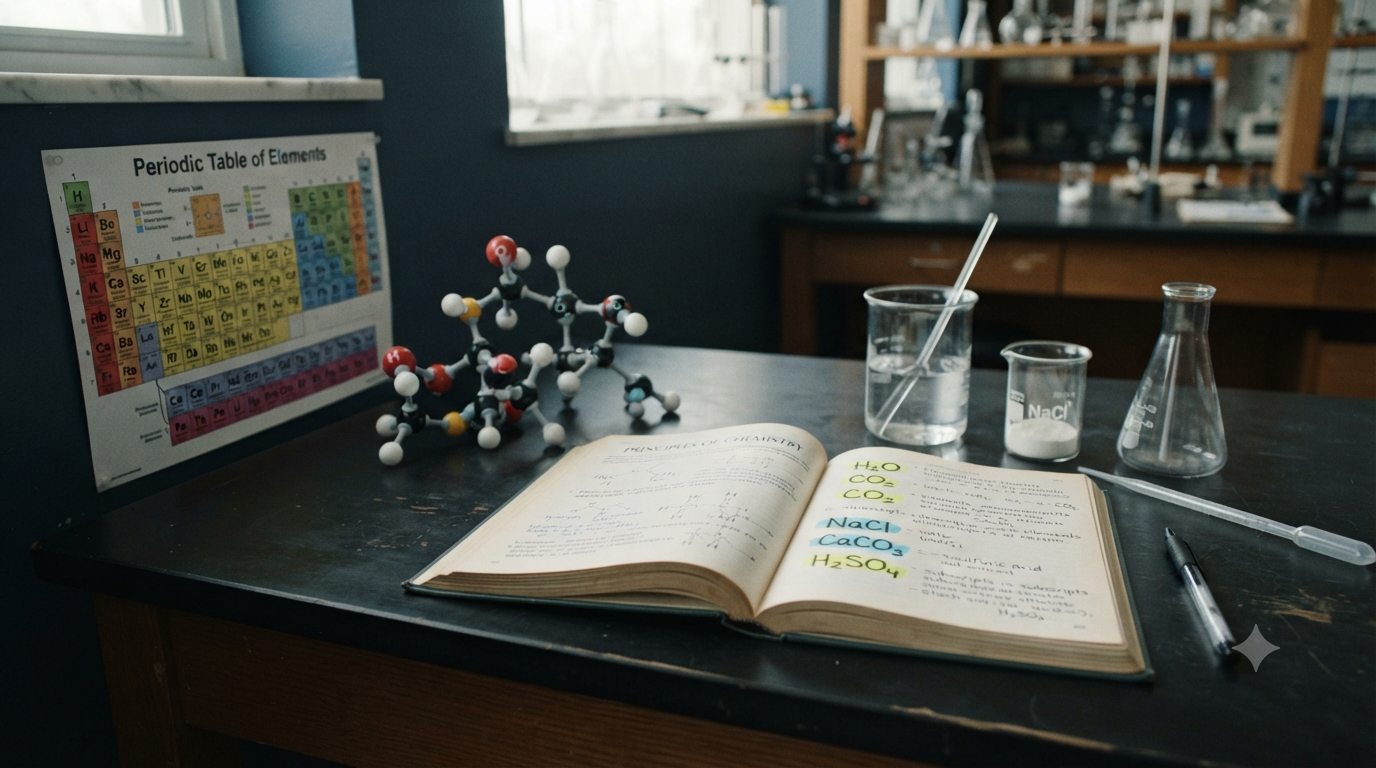
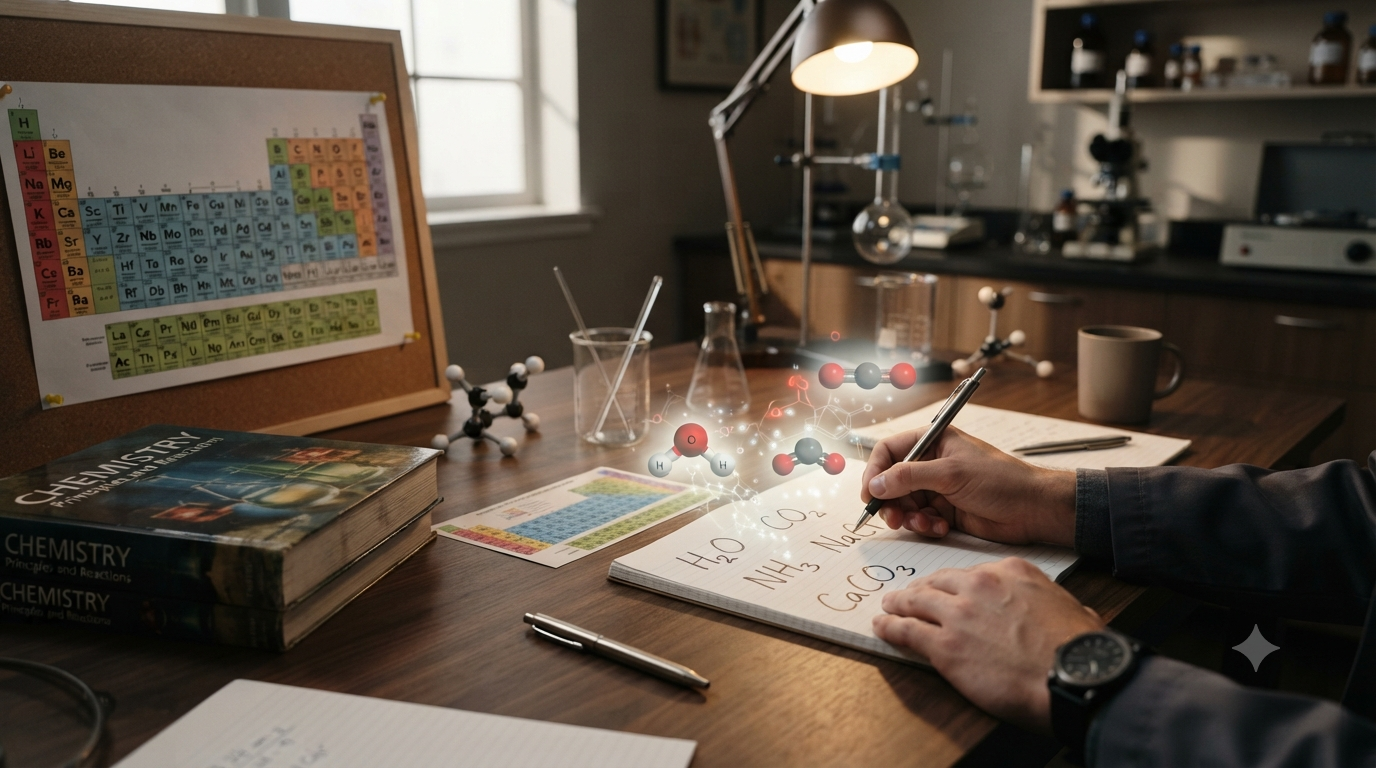
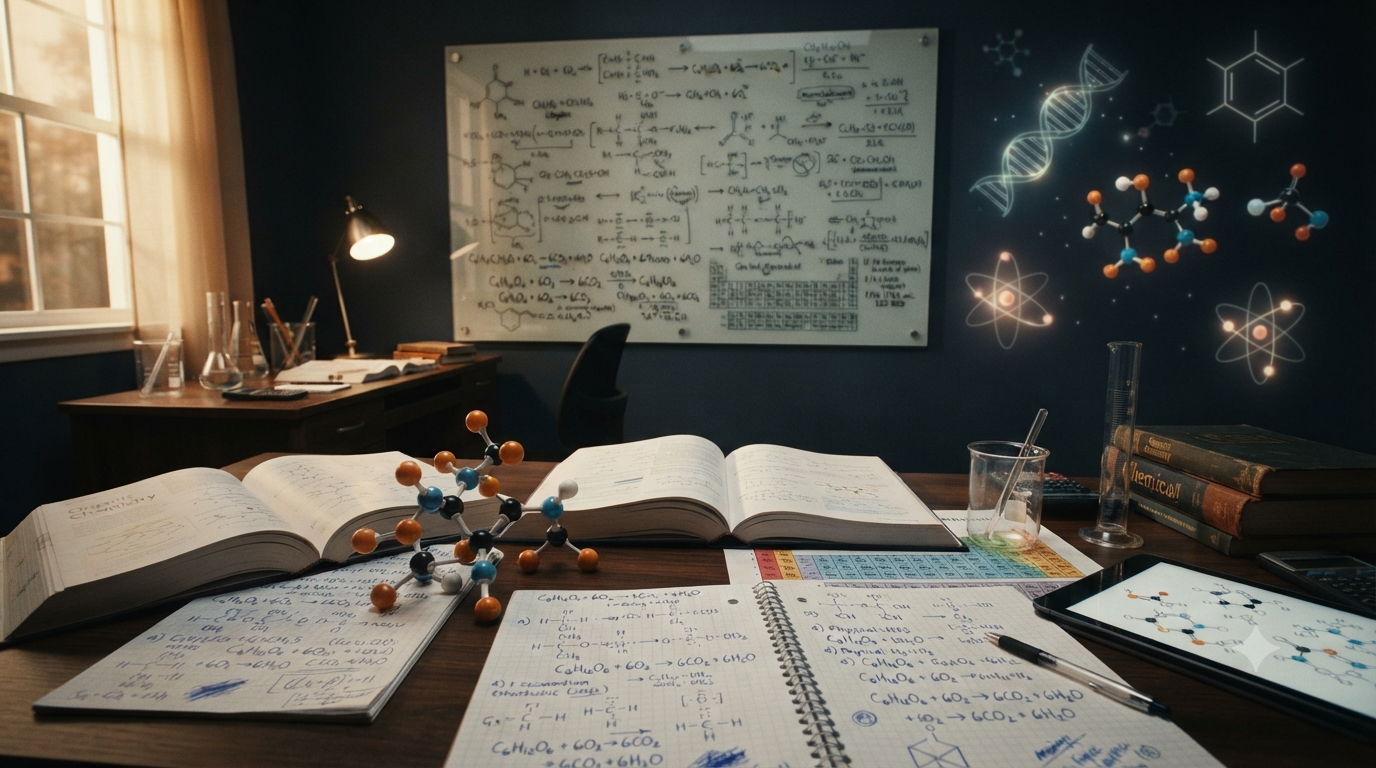
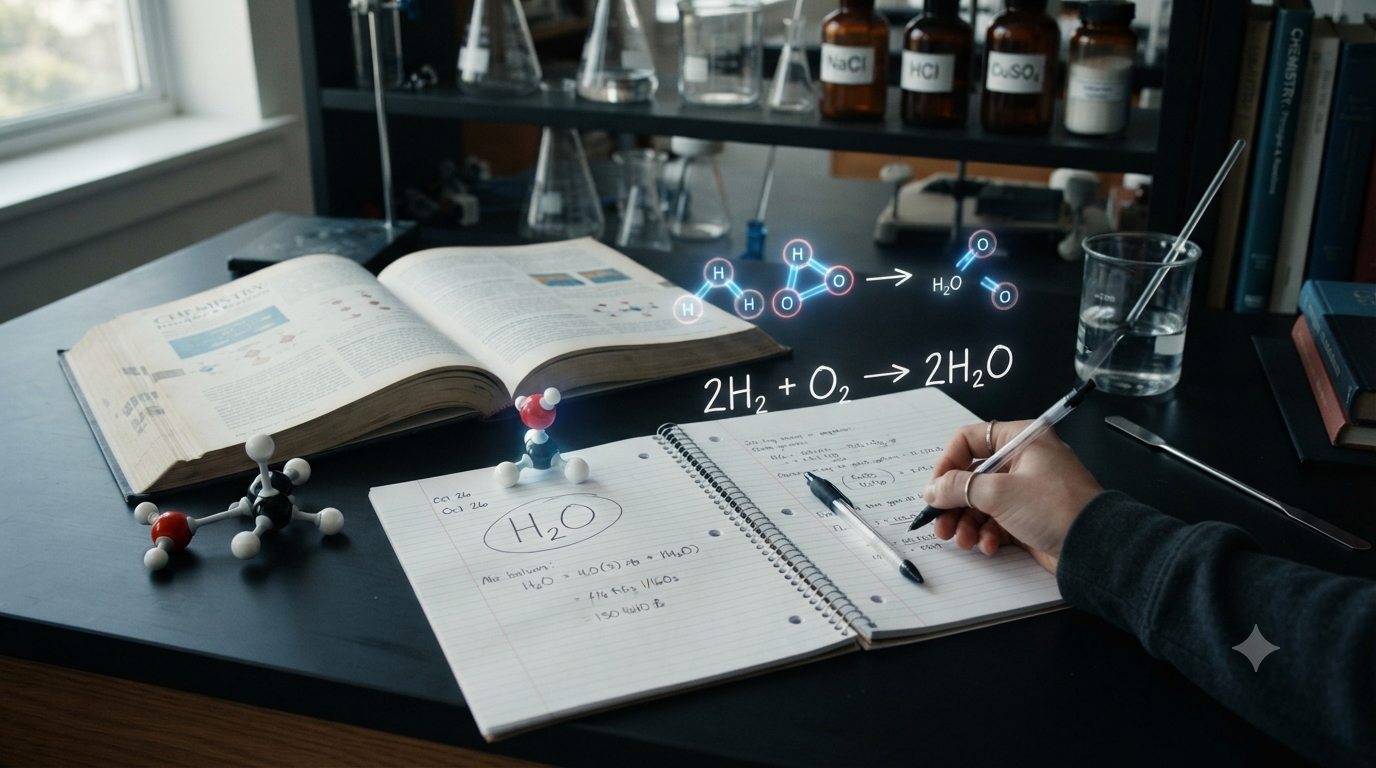
Chemistry study scene showing chemical formulas, molecular structures, and balanced chemical equations on a desk

Chemistry uses symbols, numbers, and formulas to describe substances and chemical changes. Two important ways of representing chemical information are chemical formulas and chemical equations. Although they may look similar because both use chemical symbols and numbers, they have different purposes. A chemical formula tells us about a particular substance, while a chemical equation represents a chemical reaction in which substances are converted into new substances.

Understanding the difference between these two concepts is essential for reading chemical reactions correctly. A chemical formula can describe the composition of water, oxygen, carbon dioxide, or sodium chloride. A chemical equation, on the other hand, can show what happens when hydrogen reacts with oxygen to form water. Let us understand how chemical formulas and chemical equations work and how they are different.

What Is a Chemical Formula?

A chemical formula is a symbolic representation of a chemical substance. It shows which elements are present in the substance and the number or ratio of their atoms.

For example, water has the chemical formula H₂O. This tells us that a water molecule contains two hydrogen atoms and one oxygen atom. Similarly, carbon dioxide is represented as CO₂, meaning each molecule contains one carbon atom and two oxygen atoms.

Chemical formulas are used for elements, compounds, and ions. An element such as oxygen can be represented by O₂, while a compound such as sodium chloride is represented by NaCl.

The small numbers written below the symbols are called subscripts. They indicate the number of atoms of that element in the substance.

For example:

  • H₂O → 2 hydrogen atoms and 1 oxygen atom

  • CO₂ → 1 carbon atom and 2 oxygen atoms

  • NH₃ → 1 nitrogen atom and 3 hydrogen atoms

  • CH₄ → 1 carbon atom and 4 hydrogen atoms

If no subscript is written, the number of atoms is understood to be one.

What Is a Chemical Equation?

A chemical equation is a symbolic representation of a chemical reaction. It shows the substances that take part in the reaction and the new substances produced.

For example, hydrogen reacts with oxygen to form water. The reaction can be represented as:

2H₂ + O₂ → 2H₂O

Here, hydrogen and oxygen are the reactants, while water is the product.

The arrow indicates the direction of the chemical reaction. The numbers placed before chemical formulas are called coefficients. They show the relative number of molecules or units involved in the reaction.

A chemical equation therefore provides information about a chemical change rather than simply describing one substance.

Main Difference Between a Chemical Formula and a Chemical Equation

The most important difference is their purpose.

A chemical formula describes the composition of a substance, whereas a chemical equation describes a chemical reaction.

For example, H₂O is a chemical formula. It tells us what water is made of. It does not tell us how water is produced or what substances react to produce it.

In contrast, 2H₂ + O₂ → 2H₂O is a chemical equation. It shows hydrogen and oxygen reacting to produce water.

Therefore, a formula focuses on a substance, while an equation focuses on a reaction.

Chemical Formula Uses Subscripts

Chemical formulas commonly use subscripts to show the number of atoms present in a molecule or the ratio of ions in a compound.

Consider the formula CO₂. The subscript 2 belongs only to oxygen, so there are two oxygen atoms for every one carbon atom.

Changing a subscript changes the identity or composition of the substance.

For example, H₂O represents water, while H₂O₂ represents hydrogen peroxide. These are different substances with different properties.

This is why subscripts in chemical formulas must not be changed casually.

Chemical Equations Use Coefficients

Chemical equations use coefficients to balance the number of atoms on both sides of a reaction.

Consider the equation:

H₂ + O₂ → H₂O

This equation is not balanced because there are two oxygen atoms on the left but only one oxygen atom on the right.

We can balance it by adding coefficients:

2H₂ + O₂ → 2H₂O

Now there are four hydrogen atoms and two oxygen atoms on each side.

The important point is that coefficients can be changed when balancing an equation, but the subscripts in chemical formulas should remain unchanged.

Changing the subscript would change the substance itself.

Examples of Chemical Formulas

Chemical formulas are found throughout chemistry. Some common examples include:

  • H₂O — water

  • CO₂ — carbon dioxide

  • O₂ — oxygen

  • N₂ — nitrogen

  • NaCl — sodium chloride

  • CaCO₃ — calcium carbonate

  • HCl — hydrochloric acid

  • NH₃ — ammonia

  • CH₄ — methane

Each formula gives information about the composition of a particular substance.

Examples of Chemical Equations

Chemical equations describe chemical reactions. For example, the formation of water can be written as:

2H₂ + O₂ → 2H₂O

The reaction between calcium carbonate and hydrochloric acid can be represented as:

CaCO₃ + 2HCl → CaCl₂ + H₂O + CO₂

Another example is the combustion of methane:

CH₄ + 2O₂ → CO₂ + 2H₂O

In each equation, the formulas identify the substances, while the complete arrangement of formulas and coefficients represents the chemical reaction.

How Chemical Formulas and Equations Work Together

Chemical formulas and chemical equations are closely connected. A chemical equation is actually constructed using chemical formulas.

For example, the formula CH₄ represents methane. The formula O₂ represents oxygen, and CO₂ represents carbon dioxide. When these formulas are combined with coefficients and an arrow, they can describe the combustion of methane:

CH₄ + 2O₂ → CO₂ + 2H₂O

The individual formulas identify the substances involved, while the equation shows how those substances participate in the reaction.

This makes chemical formulas the building blocks of chemical equations.

Formula vs Equation in Simple Terms

The difference can be remembered with a simple idea.

A chemical formula answers:
“What is this substance made of?”

A chemical equation answers:
“What substances react, and what substances are produced?”

For example:

H₂O → describes water.

2H₂ + O₂ → 2H₂O → describes the formation of water from hydrogen and oxygen.

This simple distinction can make many chemistry problems easier to understand.

Why the Difference Is Important

Knowing the difference between chemical formulas and chemical equations is important because they provide different types of information.

When reading a chemical formula, you need to understand elements, subscripts, atomic ratios, and sometimes charges. When reading a chemical equation, you also need to understand reactants, products, coefficients, reaction conditions, and balancing.

Confusing a subscript with a coefficient can lead to incorrect interpretations. For example, 2H₂O means two water molecules or two units of water, while H₂O₂ represents a completely different substance.

Understanding this distinction becomes especially important when balancing equations and performing chemical calculations.

Chemical Formula vs Chemical Equation

Chemical FormulaChemical Equation
Represents a substanceRepresents a chemical reaction
Shows compositionShows reactants and products
Uses chemical symbols and subscriptsUses formulas, coefficients, and an arrow
Usually describes one substanceUsually involves two or more substances
Example: H₂OExample: 2H₂ + O₂ → 2H₂O
Subscripts show atomic ratiosCoefficients show relative amounts

Conclusion

Chemical formulas and chemical equations are fundamental tools for communicating chemical information. A chemical formula represents the composition of a substance by showing the elements present and their ratios. A chemical equation uses chemical formulas to represent a chemical reaction, showing the reactants, products, and their relative amounts.

The key difference is simple: a formula describes a substance, while an equation describes a chemical change. Subscripts are an important part of chemical formulas, whereas coefficients are used in chemical equations to balance reactions. Once this distinction is clear, reading and writing chemical reactions becomes much easier. These two forms of chemical notation provide a concise language that allows chemists to describe substances and chemical changes accurately.

FAQs

1. What is a chemical formula?

A chemical formula is a symbolic way of representing a substance. It shows which elements are present and how many atoms of each element are included in the substance. For example, H₂O is the chemical formula for water. It contains two hydrogen atoms and one oxygen atom. Similarly, CO₂ represents carbon dioxide, which contains one carbon atom and two oxygen atoms. Small numbers written below element symbols are called subscripts and indicate the number of atoms. Chemical formulas help scientists identify substances and understand their composition. They are also used as building blocks when writing chemical equations for chemical reactions.

2. What is a chemical equation?

A chemical equation is a symbolic representation of a chemical reaction. It shows the substances that react and the new substances formed during the reaction. The substances present before the reaction are called reactants, while the substances formed are called products. For example, 2H₂ + O₂ → 2H₂O represents the formation of water from hydrogen and oxygen. The arrow indicates the direction of the reaction, while the numbers before the formulas are coefficients. Chemical equations provide a short and organized way to communicate chemical reactions and show the relative amounts of substances involved.

3. What is the main difference between a chemical formula and a chemical equation?

The main difference is what each one represents. A chemical formula describes the composition of a particular substance, while a chemical equation describes a chemical reaction. For example, H₂O is a chemical formula that tells us water contains hydrogen and oxygen in a specific ratio. In contrast, 2H₂ + O₂ → 2H₂O is a chemical equation showing hydrogen and oxygen reacting to form water. A formula generally focuses on one substance, whereas an equation connects multiple substances through a reaction. Understanding this difference makes it easier to read chemical reactions and interpret chemical information correctly.

4. What do subscripts mean in chemical formulas?

Subscripts are the small numbers written after or below chemical symbols in a formula. They show how many atoms of an element are present in one molecule or the ratio of elements in a compound. For example, H₂O contains two hydrogen atoms and one oxygen atom. In CO₂, the subscript 2 means there are two oxygen atoms for every carbon atom. If there is no subscript, the number is understood to be one. Subscripts are important because changing them can change the substance itself. For example, H₂O and H₂O₂ represent two different substances with different compositions.

5. What are coefficients in a chemical equation?

Coefficients are numbers placed before chemical formulas in a chemical equation. They indicate the relative number of molecules, formula units, or moles involved in a reaction. For example, in 2H₂ + O₂ → 2H₂O, the coefficient 2 before H₂ means two units of hydrogen participate in the reaction. The coefficient 2 before H₂O indicates two units of water are produced. Coefficients are especially important when balancing chemical equations because they allow the same number of atoms of each element to appear on both sides. Unlike subscripts, coefficients can be changed without changing the substances involved.

6. Can a chemical formula become a chemical equation?

A chemical formula by itself does not become a chemical equation simply by adding symbols. A chemical equation requires information about a chemical reaction, including reactants, products, and an appropriate reaction arrow. However, chemical formulas are used to construct chemical equations. For example, H₂ represents hydrogen and O₂ represents oxygen. When these formulas are combined with a product formula and coefficients, they can form the equation 2H₂ + O₂ → 2H₂O. Therefore, chemical formulas act as the basic components of chemical equations. Several formulas can be arranged together to represent a complete chemical reaction.

7. Why are chemical equations balanced?

Chemical equations are balanced to follow the law of conservation of mass. During a chemical reaction, atoms are rearranged, but they are not created or destroyed. Therefore, the number of atoms of each element must be the same on both sides of a balanced equation. For example, H₂ + O₂ → H₂O is not balanced because the number of oxygen atoms differs on each side. By adding coefficients, we obtain 2H₂ + O₂ → 2H₂O. Now both sides contain four hydrogen atoms and two oxygen atoms. Balancing ensures that the equation accurately represents the quantities involved in the reaction.

8. Can subscripts be changed when balancing a chemical equation?

No. Subscripts should not be changed when balancing a chemical equation because they are part of the chemical formula and determine the identity or composition of a substance. For example, changing H₂O to H₂O₂ would not balance the equation; it would replace water with hydrogen peroxide. Instead, coefficients should be placed before formulas. For example, 2H₂ + O₂ → 2H₂O is balanced by changing the coefficients, not the subscripts. This distinction is essential when writing chemical equations because changing subscripts can produce completely different substances and therefore change the meaning of the reaction.

9. What information can a chemical equation provide?

A chemical equation can provide several types of information about a chemical reaction. It identifies the reactants and products, shows the direction of the reaction, and can indicate the relative quantities of substances involved. Coefficients also allow scientists to determine mole ratios for chemical calculations. Additional information, such as reaction conditions, temperature, pressure, catalysts, or physical states, may also be included when needed. For example, 2H₂ + O₂ → 2H₂O shows that hydrogen and oxygen react to produce water. A balanced equation therefore provides a concise representation of what happens during a chemical reaction.

10. Why is it important to understand chemical formulas and equations?

Understanding chemical formulas and equations is important because they form a basic language of chemistry. Chemical formulas help identify substances and describe their composition, while chemical equations explain how substances interact during chemical reactions. This knowledge is useful for understanding topics such as chemical reactions, stoichiometry, acids and bases, combustion, and laboratory processes. It also helps students and science learners interpret chemical information accurately. Knowing the difference between subscripts and coefficients is particularly important because they have different meanings. Once these concepts are understood, reading, writing, and balancing chemical equations becomes much easier and more meaningful.

Related Posts

Leave a Comment

Your email address will not be published. Required fields are marked *

Scroll to Top