
How to Read and Interpret Mathematical Formulas

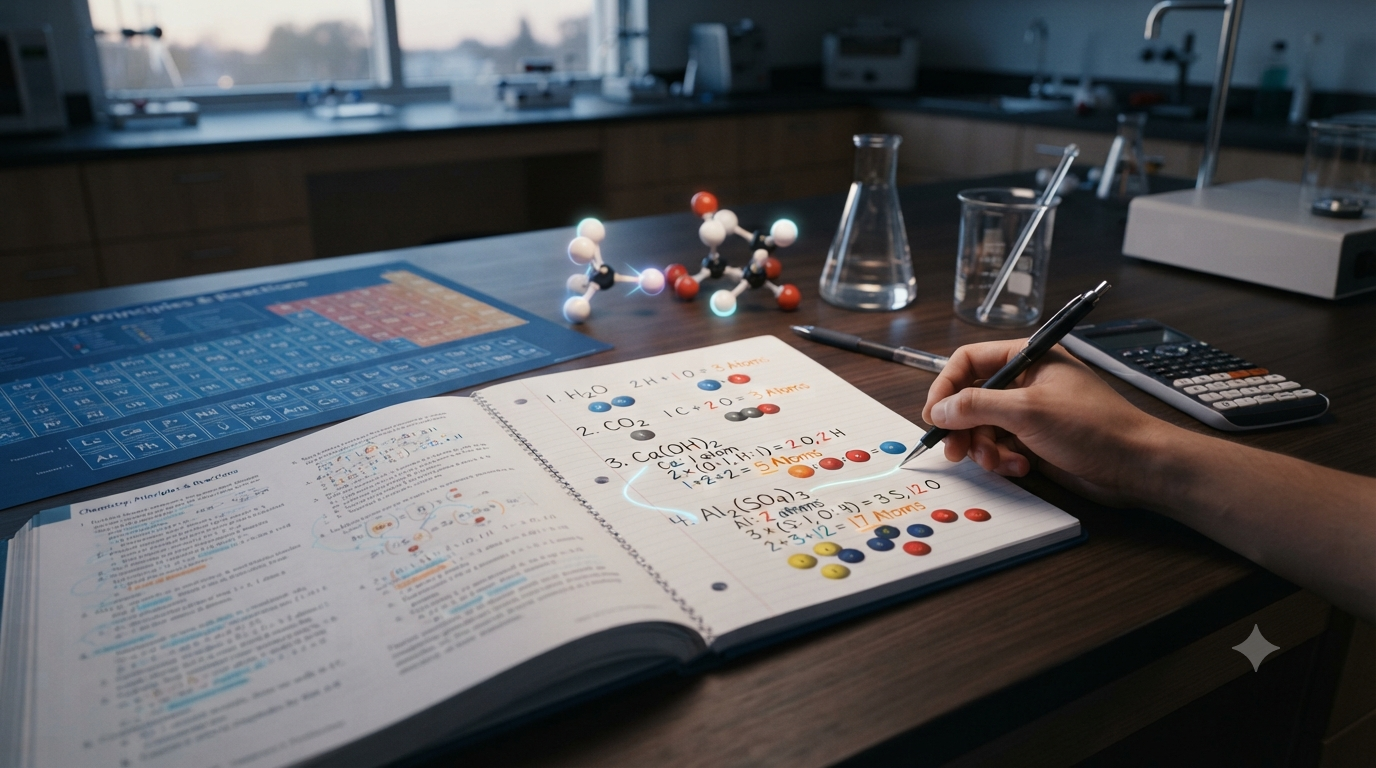
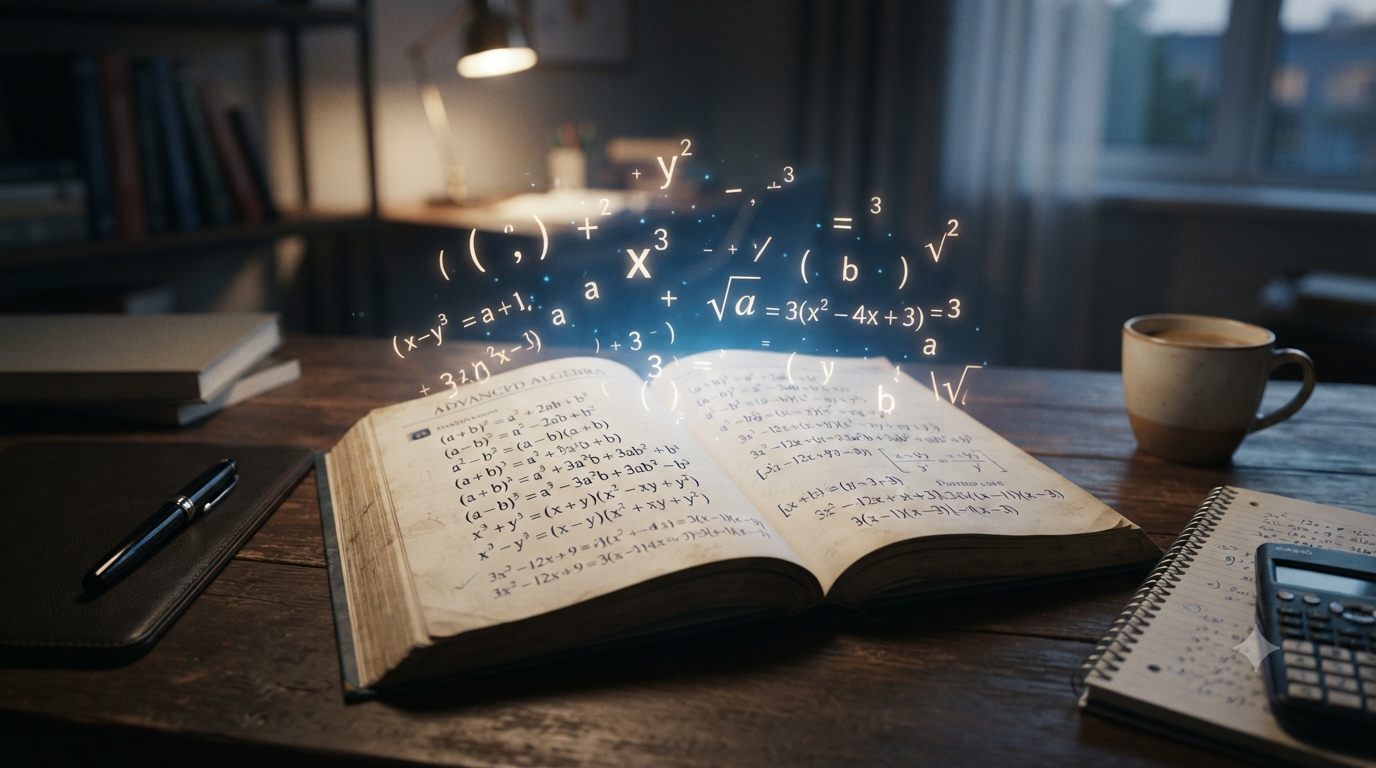
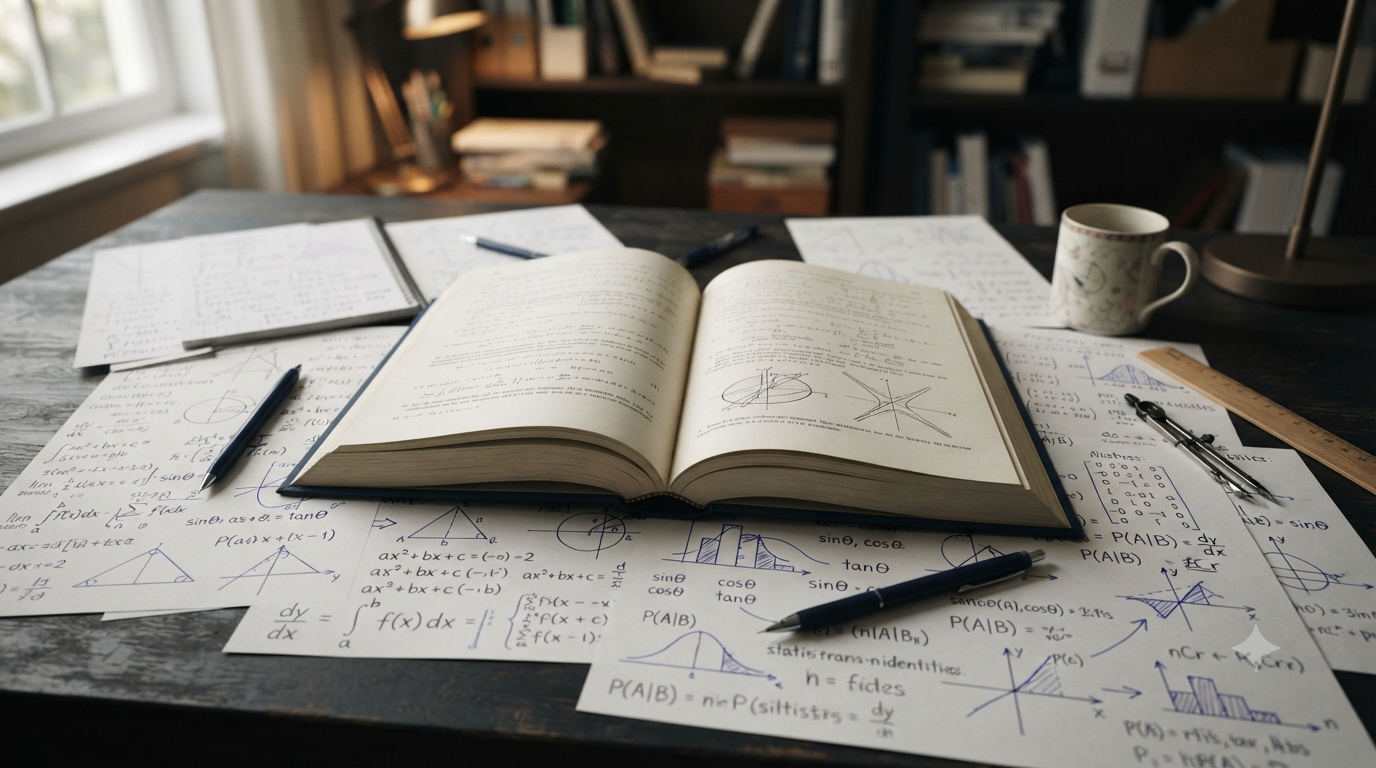
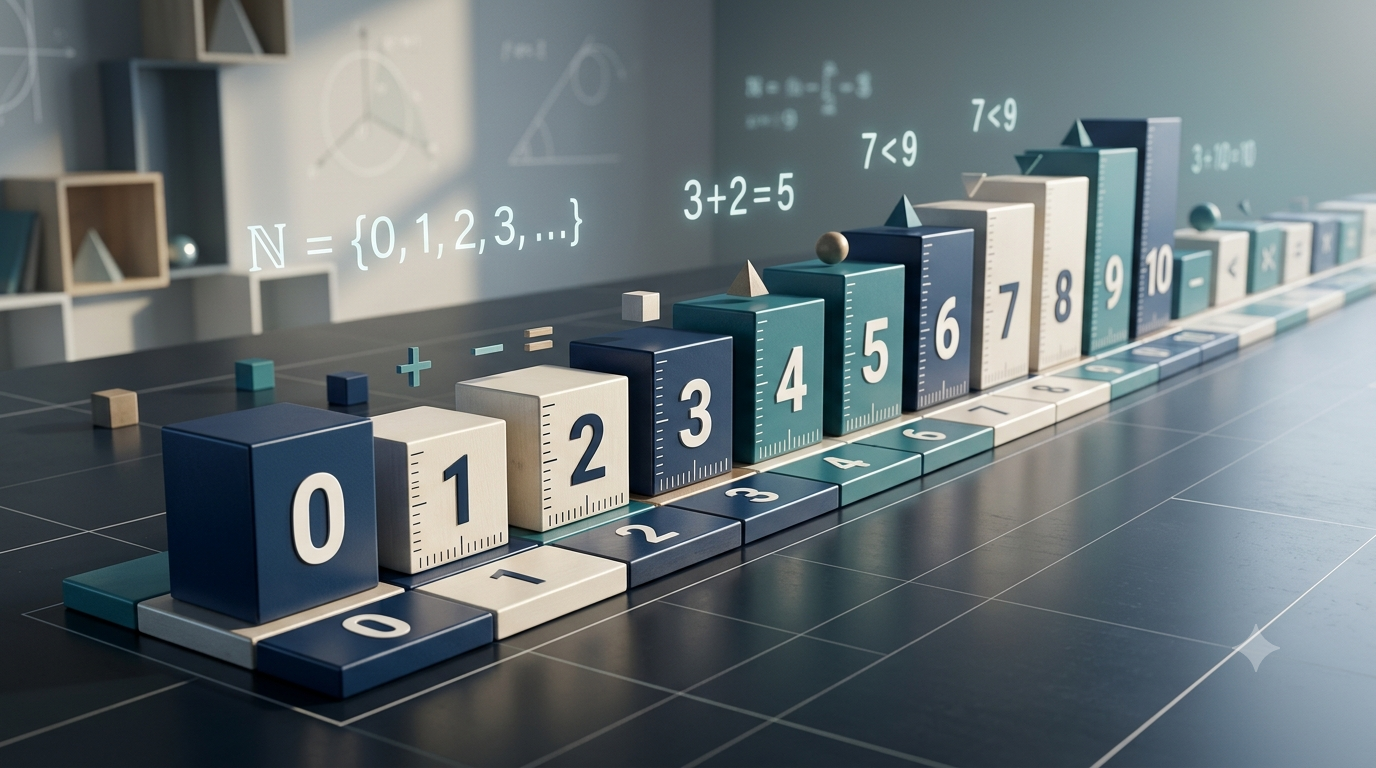
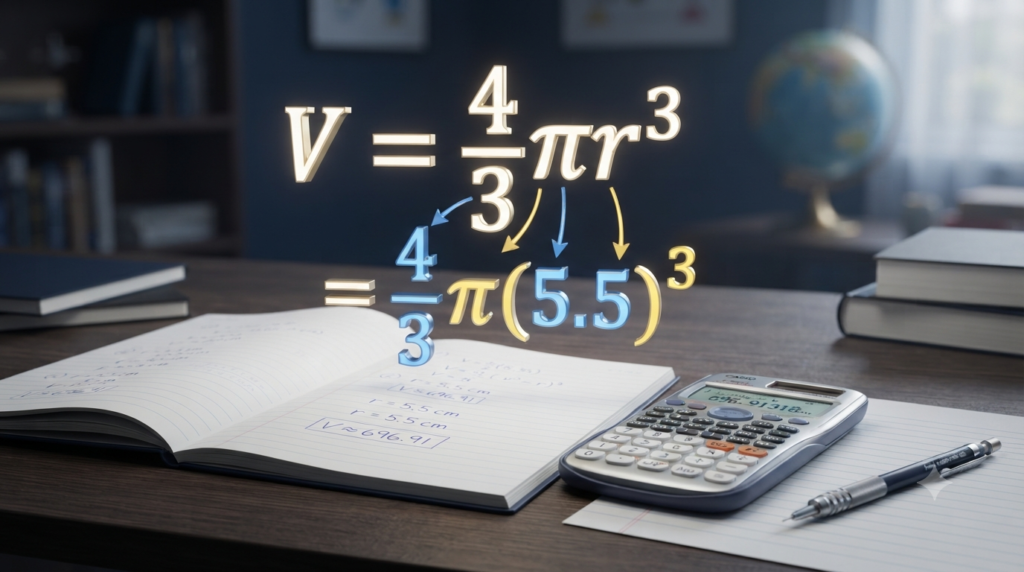
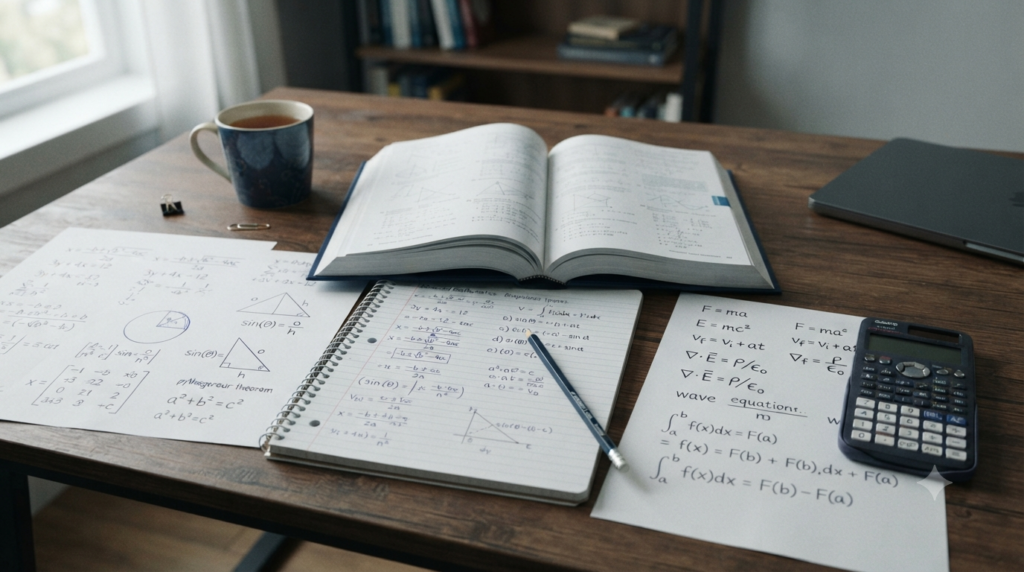
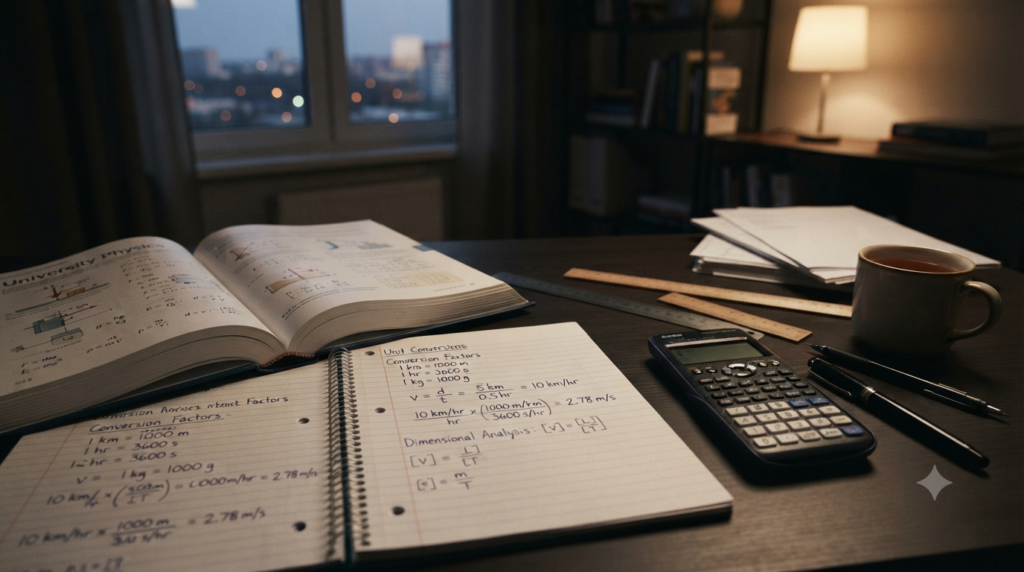
Open mathematics textbook showing formulas, variables, equations, symbols, and mathematical relationships

Mathematical formulas are a concise way of expressing relationships between quantities, patterns, and ideas. Instead of explaining a relationship with many sentences, a formula can describe it using numbers, symbols, letters, and mathematical operations. However, knowing how to calculate with a formula is only part of the skill. You also need to understand how to read and interpret what the formula is saying.

Reading a mathematical formula means identifying its symbols, operations, quantities, and structure. Interpreting it means understanding what those parts represent and how changing one quantity affects another. This skill is useful across mathematics, science, engineering, economics, statistics, and everyday problem-solving.

Whether you are working with a simple formula such as A = l × w or a more advanced expression involving powers, fractions, roots, or variables, the same basic approach can help you understand it clearly.

What Is a Mathematical Formula?

A mathematical formula is a rule or relationship written using mathematical symbols. It shows how one or more quantities are related to each other.

For example:

A = l × w

This formula gives the area of a rectangle. Here, A represents area, l represents length, and w represents width.

The formula does more than provide a calculation. It tells us that the area depends on both the length and the width. If either dimension changes, the area changes as well.

Another example is:

v = d/t

This formula relates speed, distance, and time. It tells us that speed can be found by dividing the distance traveled by the time taken.

A formula should therefore be viewed as a mathematical statement, not simply as a collection of symbols.

Why Is It Important to Read a Formula Correctly?

A formula can often be used incorrectly even when the arithmetic is correct. This usually happens when a person misunderstands what the symbols or operations mean.

For example:

F = ma

This formula tells us that force is related to mass and acceleration. If you know the values of m and a, you can calculate F. But you also need to understand that the multiplication sign is implied between m and a.

Similarly, in:

a = Δv/Δt

the symbol Δ means a change in a quantity. Therefore, Δv means change in velocity, while Δt means change in time.

Reading formulas carefully helps you avoid mistakes and understand the mathematical relationship behind the calculation.

Identify the Variables in the Formula

The first step in reading a formula is to identify the variables.

A variable is a symbol, usually a letter, that represents a quantity that can have different values.

Consider:

P = 2(l + w)

Here:

  • P represents the perimeter.

  • l represents length.

  • w represents width.

Before substituting any numbers, make sure you know what each variable represents.

Some formulas use familiar letters, but the same letter can represent different quantities in different contexts. For example, P may represent perimeter in geometry, pressure in physics, or probability in statistics.

Therefore, never assume the meaning of a symbol simply because you have seen it before. Look at the context in which the formula is being used.

Understand Constants and Fixed Values

Not every number or symbol in a formula is a variable.

A constant has a fixed value within a particular context.

For example:

C = 2πr

The number 2 is a constant, while π is a mathematical constant with a value of approximately 3.14159.

The variable r represents the radius of a circle.

Constants are important because they form a fixed part of the relationship described by the formula.

In some formulas, constants may be numerical values. In others, they may be symbols such as π, e, or physical constants used in science.

Read Mathematical Operations Carefully

Mathematical formulas use operations such as addition, subtraction, multiplication, division, powers, and roots.

Consider:

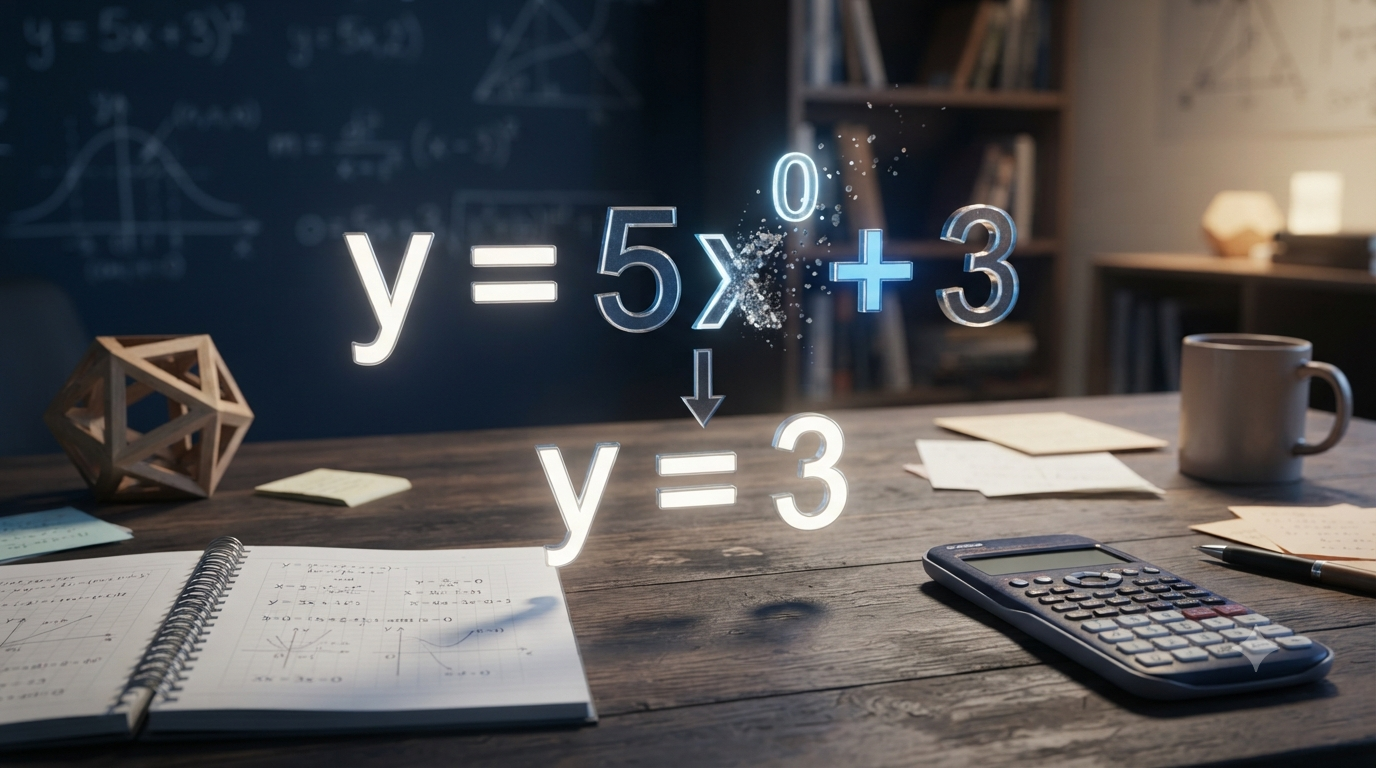
y = 3x + 5

This can be read as:

“y equals three times x plus five.”

The formula contains two main operations: multiplication and addition.

Now consider:

y = 3(x + 5)

This is different. Here, the entire quantity (x + 5) is multiplied by 3.

The brackets therefore change the meaning of the formula.

When reading a formula, identify each operation and determine which quantities are grouped together.

Pay Attention to Brackets and Parentheses

Brackets and parentheses tell you which parts of a formula belong together.

For example:

A = πr²

means that the radius is squared before multiplying by π.

Compare this with:

A = (πr)²

These expressions are not equivalent.

Similarly:

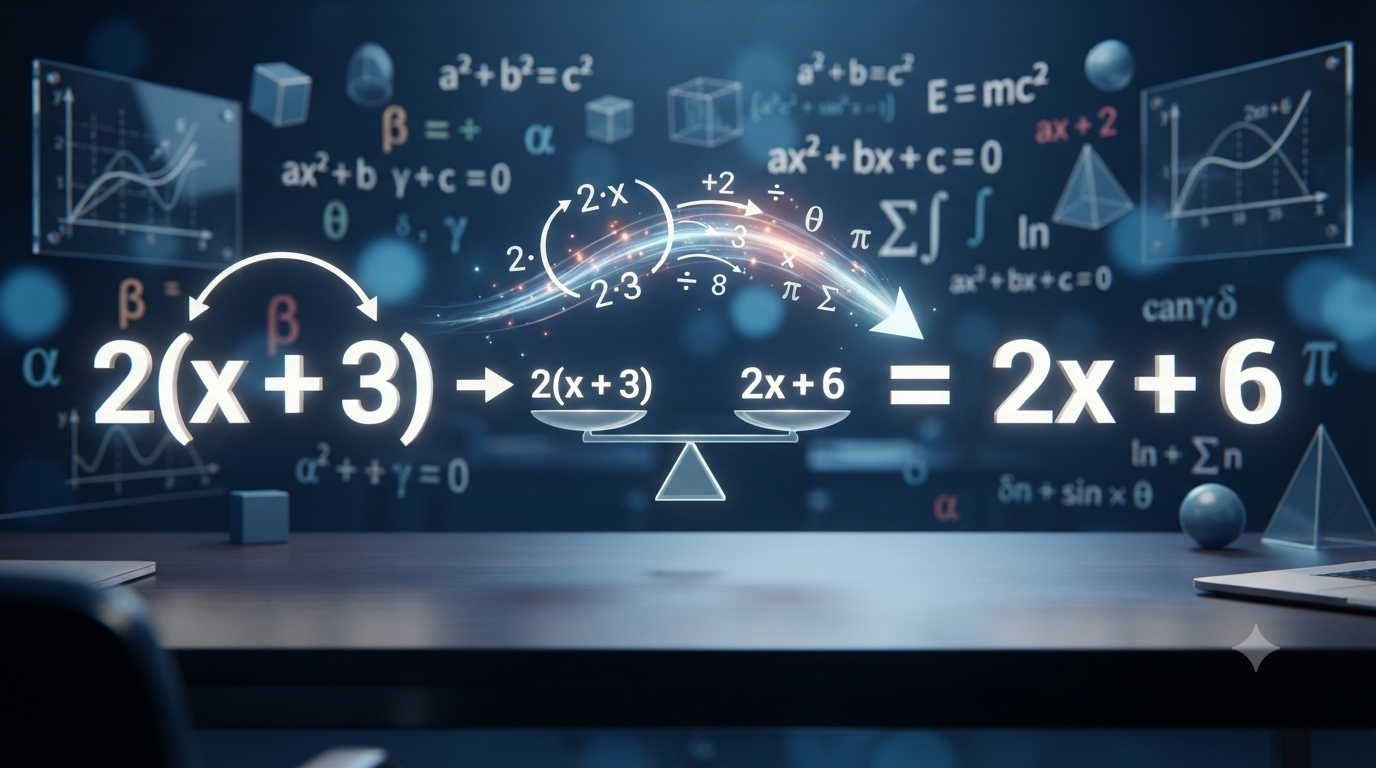
y = 2(x + 3)

means that both x and 3 are included inside the parentheses and the result is multiplied by 2.

A useful habit is to mentally break a complicated formula into smaller sections before calculating it.

Understand Fractions and Division

Fractions are common in mathematical formulas and often represent ratios or division.

Consider:

v = d/t

This means velocity or speed is obtained by dividing distance by time.

A more complicated formula might be:

x = (a + b)/c

Here, the entire quantity (a + b) is divided by c.

The position of the fraction line matters. Everything above the line belongs to the numerator, and everything below it belongs to the denominator.

For example:

x = a/(b + c)

is different from:

x = a/b + c

Understanding what belongs in the numerator and denominator is essential for interpreting formulas correctly.

Recognize Powers and Exponents

An exponent tells you how many times a quantity is multiplied by itself.

For example:

x²

means:

x × x

Similarly:

x³

means:

x × x × x

When reading a formula such as:

A = πr²

you can say:

“Area equals pi times the square of the radius.”

The exponent 2 is particularly important because it tells you that the radius does not increase the area in a simple one-to-one way.

If the radius is doubled, the area becomes four times as large because the radius is squared.

Understand Roots

Roots are another important part of mathematical formulas.

For example:

x = √a

means that x is the square root of a.

In a formula such as:

d = √(x² + y²)

the square root applies to the entire quantity inside the parentheses.

This structure is important. You should not treat the square root as applying only to one part of the expression unless the notation indicates that.

Look for Relationships Between Variables

One of the most important parts of interpreting a formula is understanding how its variables are related.

Consider:

y = 5x

This means that y is directly proportional to x. If x increases, y increases by the same factor.

For example, if x doubles, y also doubles.

Now consider:

y = x²

Here, y depends on the square of x. If x doubles, y becomes four times as large.

Another example is:

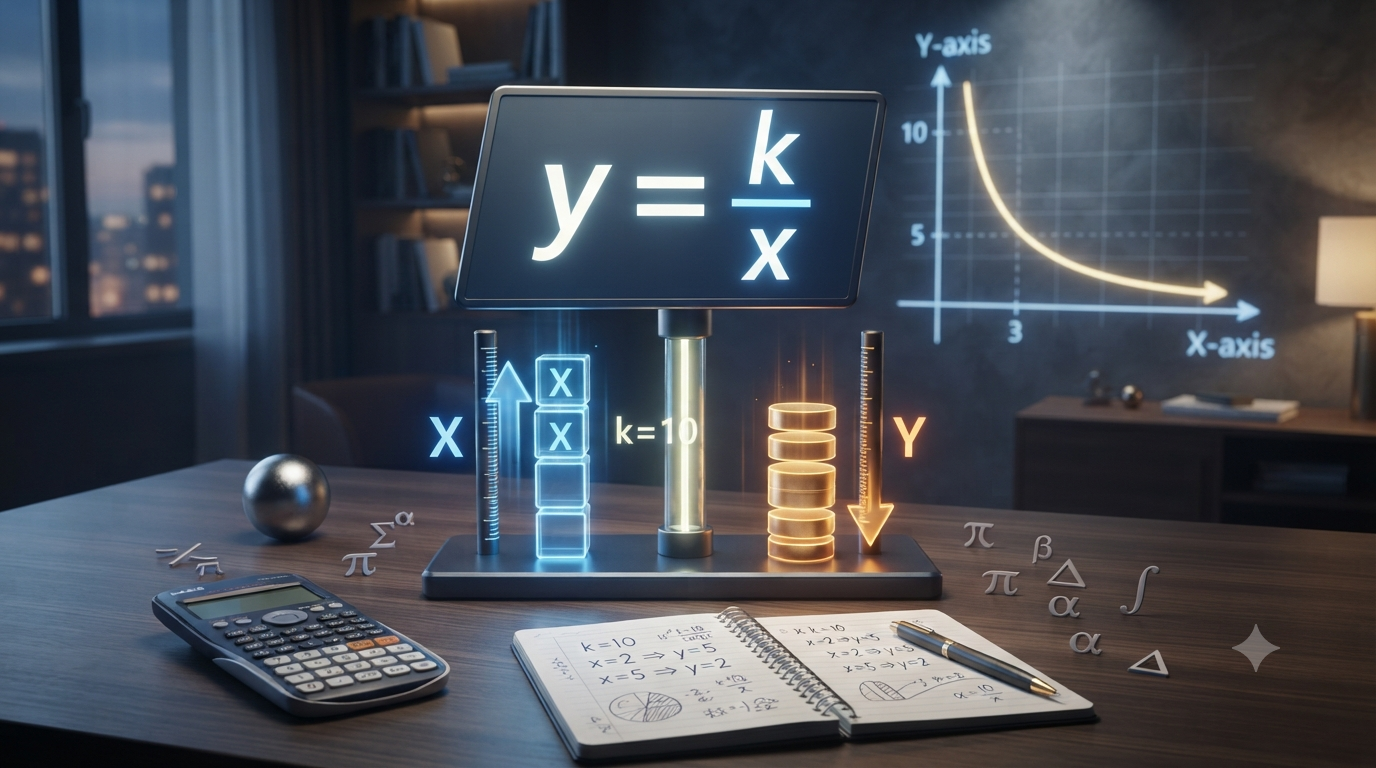
y = 1/x

Here, y decreases as x increases.

These relationships can often tell you more about a formula than simply calculating its final value.

Identify Which Quantity Depends on Which

Many formulas show a dependent relationship between quantities.

Consider:

C = 2πr

The circumference C depends on the radius r.

If the radius changes, the circumference changes accordingly.

In:

d = vt

distance depends on velocity and time.

Understanding which quantity is being calculated and which quantities are used to calculate it makes a formula much easier to interpret.

Check the Units of the Quantities

Units can help you understand whether a formula makes sense.

For example:

v = d/t

If distance is measured in metres and time in seconds, then:

v = metre/second

So the unit of speed is metres per second.

Similarly:

A = l × w

If both length and width are measured in metres, then area has units of:

m × m = m²

Checking units is useful because it can reveal mistakes in a calculation or help confirm what a formula represents.

Understand the Formula Before Substituting Values

A common mistake is to immediately insert numbers into a formula without understanding its structure.

Suppose you have:

A = ½bh

Before substituting values, identify:

  • A = area

  • b = base

  • h = height

  • ½ = one-half

The formula means that the area is half the product of the base and height.

Once you understand this relationship, substituting values becomes much easier and less error-prone.

Rearranging a Formula Can Reveal More Information

A formula can often be rearranged to find a different variable.

For example:

v = d/t

If you want to find distance, multiply both sides by t:

d = vt

If you want to find time, rearrange it as:

t = d/v

The relationship has not changed. Only the form of the formula has changed.

Learning to rearrange formulas is especially useful when one of the quantities is unknown.

Read Formulas Step by Step

For a complicated formula, avoid trying to understand everything at once.

Consider:

y = (a + b)²/c

You can break it into steps:

  1. Add a and b.

  2. Square the result.

  3. Divide the result by c.

This method makes complicated formulas easier to read and calculate.

The same approach works for formulas containing multiple fractions, powers, roots, and brackets.

Use an Example to Interpret the Formula

Suppose:

A = πr²

If the radius is 5 cm, the formula becomes:

A = π(5)²

First square the radius:

5² = 25

Then:

A = 25π

Using an approximate value of π:

A ≈ 78.5 cm²

The calculation gives the numerical answer, but interpretation gives you the meaning: a circle with a radius of 5 cm has an area of approximately 78.5 square centimetres.

Common Mistakes When Reading Mathematical Formulas

Several mistakes can make an otherwise simple formula confusing.

Ignoring the Meaning of Symbols

A person may substitute numbers without knowing what the variables represent. Always identify the quantities first.

Misreading the Order of Operations

Multiplication, division, addition, subtraction, powers, and grouping symbols must be handled in the correct order.

Ignoring Brackets

Removing or ignoring brackets can completely change the meaning of a formula.

Confusing Variables With Constants

Some quantities change while others remain fixed. Knowing the difference helps you understand the relationship.

Forgetting Units

A numerical answer without appropriate units may be incomplete when the formula represents a physical quantity.

Treating a Formula as Only a Calculation

A formula often communicates a relationship. Understanding that relationship is more useful than simply obtaining a number.

A Simple Method for Reading Any Formula

You can use the following method whenever you encounter an unfamiliar formula.

Step 1: Identify What the Formula Calculates

Ask what quantity appears on the left side of the equation.

Step 2: Identify Every Symbol

Determine what each letter, number, and mathematical symbol represents.

Step 3: Identify the Operations

Look for addition, subtraction, multiplication, division, powers, roots, and other operations.

Step 4: Check Grouping

Look carefully at parentheses, brackets, fraction lines, and other grouping symbols.

Step 5: Identify Relationships

Ask how one variable changes when another variable changes.

Step 6: Check Units

If the formula involves measurable quantities, make sure the units are consistent.

Step 7: Substitute Values Carefully

Only after understanding the formula should you insert numerical values.

Step 8: Interpret the Result

Ask what the final answer means in the context of the problem.

Mathematical Formulas Are More Than Shortcuts

A mathematical formula is not simply a shortcut for calculation. It is a compact description of a relationship.

For example:

E = mc²

is much more than a calculation involving three symbols. It expresses a relationship between mass and energy, with the speed of light appearing as a constant.

Similarly:

P = F/A

does not simply tell you how to divide two numbers. It describes how pressure depends on force and area.

When you learn to interpret formulas in this way, mathematics becomes easier to understand because you begin to see the ideas behind the symbols.

Conclusion

Learning how to read and interpret mathematical formulas is an important mathematical skill. A formula becomes much easier to use when you understand what each symbol means, how the operations are arranged, which quantities are variables or constants, and how the quantities are related.

Instead of immediately substituting numbers, first read the formula as a mathematical statement. Identify the variables, examine the operations, pay attention to brackets and exponents, check the units, and consider how changes in one quantity affect another. Then perform the calculation and interpret the result in context.

With regular practice, even complex formulas become easier to read. The goal is not only to calculate correctly but also to understand what the formula is telling you.

FAQs

1. What does it mean to read a mathematical formula?

Reading a mathematical formula means understanding what its symbols, numbers, variables, and operations represent. You should identify the quantity being calculated, recognize each variable, and understand how the parts of the formula are connected. For example, in A = l × w, you can read it as “area equals length multiplied by width.” Reading a formula correctly also involves noticing brackets, fractions, powers, roots, and other mathematical symbols. Instead of immediately substituting numbers, first understand the structure and meaning of the formula. This makes calculations easier and helps you avoid common mathematical mistakes.

2. How can I understand an unfamiliar mathematical formula?

Start by identifying the quantity on the left side of the equation. Then determine what every symbol on the right side represents. Look for familiar operations such as addition, subtraction, multiplication, and division. Next, check brackets, exponents, roots, and fractions to understand how the expression is organized. If the formula represents a measurable quantity, examine its units as well. Try explaining the formula in ordinary words before using numbers. For example, v = d/t can be read as “speed equals distance divided by time.” Breaking an unfamiliar formula into smaller parts makes it much easier to understand.

3. What are variables in mathematical formulas?

Variables are symbols, usually letters, that represent quantities whose values can change. For example, in A = l × w, l represents length and w represents width. Their values can vary depending on the rectangle being considered. Variables allow formulas to describe relationships that apply to many different situations rather than only one numerical example. The meaning of a variable depends on context. For instance, r may represent radius in geometry but could represent another quantity in a different formula. Always identify what each variable represents before substituting values into a mathematical expression.

4. Why are brackets important in mathematical formulas?

Brackets and parentheses show which parts of a mathematical expression should be treated together. They can significantly change the meaning of a formula. For example, 2(a + b) means that the sum of a and b is multiplied by 2. Without the parentheses, 2a + b represents a different expression. Brackets are especially important when formulas contain several operations, fractions, or powers. When reading a formula, pay attention to what is inside each pair of brackets and determine which operation should be performed first. Understanding grouping helps prevent calculation errors and incorrect interpretations.

5. How do exponents affect a mathematical formula?

An exponent shows how many times a quantity is multiplied by itself. For example, x² means x × x, while x³ means x × x × x. Exponents can strongly affect the relationship between variables. In the formula A = πr², the radius is squared, so changing the radius has a greater effect on area than a simple multiplication by the same factor. If the radius doubles, the area becomes four times as large. When reading a formula, always identify the quantity carrying the exponent and understand what operation the exponent represents before performing the calculation.

6. How can units help me interpret a mathematical formula?

Units provide useful information about the quantities represented in a formula and can help check whether a calculation makes sense. For example, in v = d/t, if distance is measured in metres and time in seconds, speed is measured in metres per second. Similarly, in A = l × w, multiplying metres by metres gives square metres. Checking units can reveal mistakes in substitution or calculation and can also help identify the type of quantity being calculated. When working with formulas involving physical quantities, always pay attention to the units of every variable and make sure they are used consistently.

7. How do I know which variable depends on another?

Look at the structure of the formula and identify the quantity being calculated. In y = 5x, the value of y depends on x. If x changes, y changes accordingly. In y = x², the relationship is different because y depends on the square of x. In v = d/t, speed depends on distance and time. Understanding these relationships helps you predict what happens when one quantity increases or decreases. It also makes formulas easier to interpret because you are understanding the mathematical relationship rather than treating the formula as a simple calculation.

8. Why should I understand a formula before substituting numbers?

Understanding a formula before substituting numbers helps you avoid mistakes and gives meaning to the calculation. First identify what each variable represents, then understand the operations and grouping symbols. For example, in A = ½bh, you should know that A represents area, b represents base, and h represents height. Once you understand the relationship, you can substitute the appropriate values and calculate the result. Immediately inserting numbers without understanding the formula can lead to using the wrong values, applying operations incorrectly, or misunderstanding the final answer.

9. Can a mathematical formula be rearranged?

Yes, many mathematical formulas can be rearranged to find a different unknown quantity. For example, the formula v = d/t can be rearranged to find distance as d = vt or time as t = d/v. The relationship between the quantities remains the same; only the arrangement changes. Rearranging formulas requires applying the same mathematical operation to both sides of an equation. This skill is particularly useful when solving problems where the quantity you need is not already isolated. Understanding the original formula first makes rearranging it much easier and reduces the chance of algebraic errors.

10. What is the best way to learn how to interpret mathematical formulas?

The best way to learn formula interpretation is through regular practice. Start with simple formulas and identify the variables, constants, operations, and relationships in each one. Try reading formulas aloud in ordinary language and explain what they mean without calculating immediately. Then substitute sample values, check the units, and interpret the final result. Gradually practice with formulas containing fractions, powers, roots, and multiple variables. Comparing similar formulas can also help you recognize different relationships. With consistent practice, you will become more comfortable reading formulas and understanding the mathematical ideas represented by their symbols.

Related Posts

Leave a Comment

Your email address will not be published. Required fields are marked *

Scroll to Top