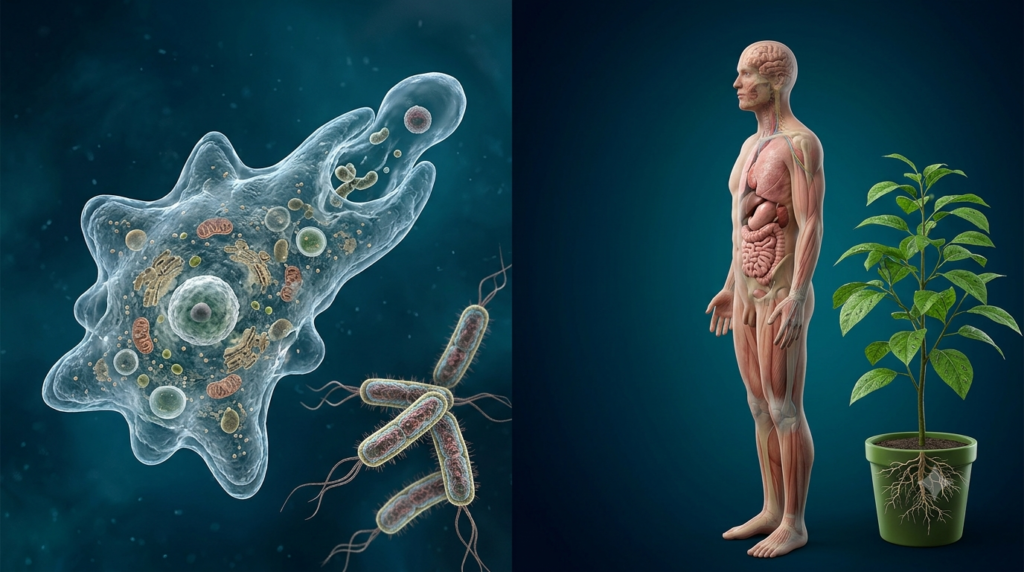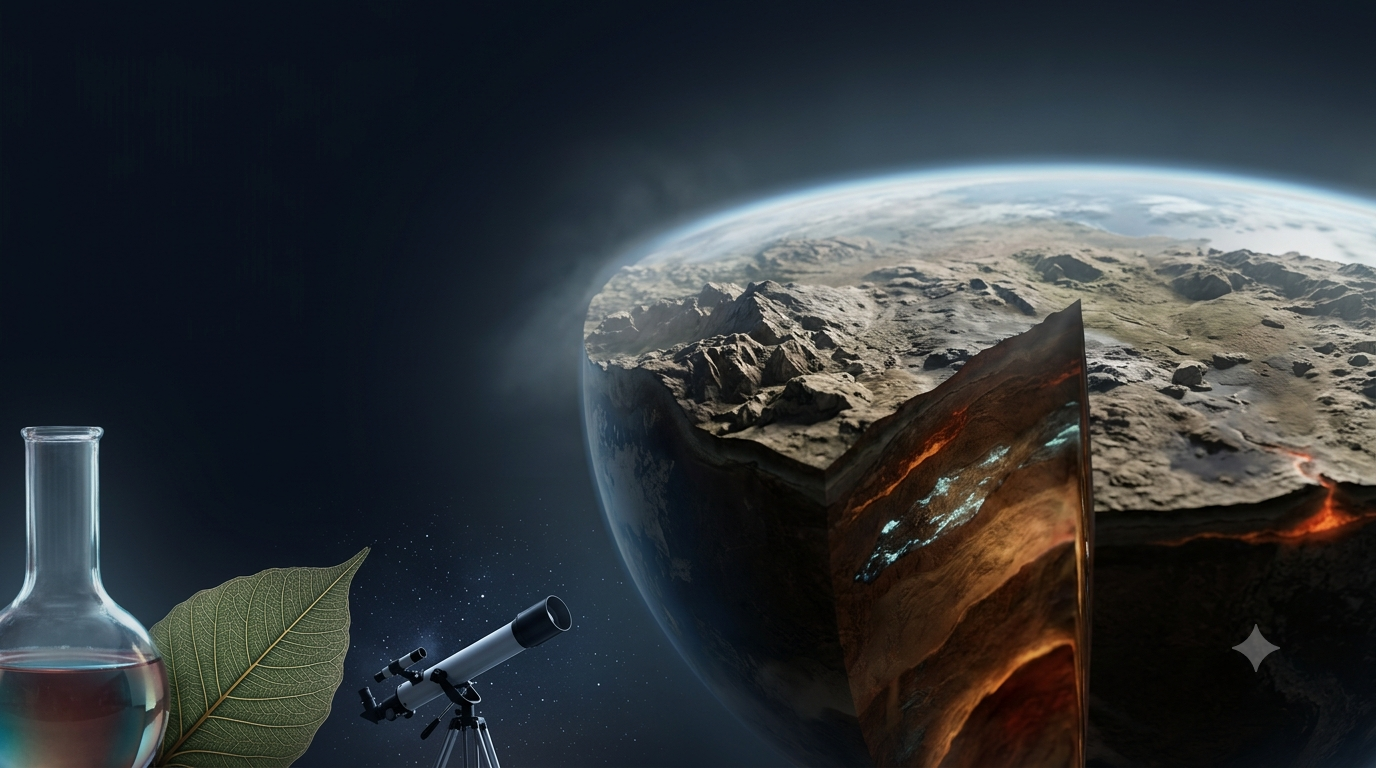
Science is one of the most important ways humans learn about the world around them. From understanding why the sky appears blue to discovering how the human body works, science helps us explain natural events, solve problems, and make better decisions. It allows us to move beyond guesses and opinions by using observations, experiments, evidence, and logical thinking. Many things that seem ordinary in everyday life, such as cooking food, using a mobile phone, growing plants, or predicting the weather, involve scientific principles.
Science is not limited to laboratories, scientists, or advanced technology. It is a part of everyday life and helps people of all ages understand the world more clearly. By asking questions, investigating possible answers, and examining evidence, we can develop a deeper understanding of nature and the universe. Learning what science is and how it works also helps us distinguish reliable information from unsupported claims.
What Is Science?
Science is a systematic way of gaining knowledge about the natural world through observation, investigation, experimentation, and evidence. It helps us understand how things work, why events happen, and how different parts of nature are connected.
The word science is associated with knowledge and understanding. However, science is more than simply collecting facts. It involves finding relationships between facts, developing explanations, testing those explanations, and improving our understanding when new evidence becomes available.
For example, people have observed the Sun rising and setting for thousands of years. Scientific investigation has helped explain that this daily pattern occurs because Earth rotates on its axis. Similarly, the study of gravity explains why objects fall toward the ground when released.
Science also helps us understand processes that cannot be observed directly with the naked eye. Microscopes reveal tiny organisms and cellular structures, telescopes allow us to study distant galaxies, and scientific instruments help researchers investigate the composition of matter.
A key feature of science is that scientific explanations must be supported by evidence. Ideas can be questioned, tested, and revised when new observations provide better explanations. This makes science a continuing process of discovery rather than a fixed collection of facts.
Why Is Science Important?
Science is important because it helps us understand the causes of natural events, improve our quality of life, and develop solutions to practical problems. Without scientific knowledge, many everyday processes and modern technologies would remain difficult to explain.
Science helps people make sense of the world by replacing unsupported assumptions with explanations that can be investigated and tested. It also encourages curiosity, careful thinking, and a willingness to learn from mistakes.
Some major reasons science is important include:
Understanding nature: Science explains natural processes such as rainfall, earthquakes, plant growth, and the movement of planets.
Improving health: Medical science helps researchers understand diseases, develop treatments, and improve preventive healthcare.
Developing technology: Scientific discoveries contribute to computers, communication systems, transportation, and modern machinery.
Protecting the environment: Environmental science helps us understand pollution, climate change, biodiversity loss, and natural resource management.
Solving everyday problems: Scientific knowledge helps us make informed choices about food, energy use, hygiene, and household safety.
Encouraging critical thinking: Science teaches us to question claims, examine evidence, and evaluate possible explanations.
Science is valuable not only because it provides answers but also because it teaches us how to investigate questions responsibly.
How Does Science Help Us Understand the World?
Science helps us understand the world by examining natural events, identifying patterns, and developing explanations supported by evidence. Instead of accepting an explanation simply because it sounds convincing, scientists investigate whether observations support it.
Several important processes allow science to build reliable knowledge.
1. Science Encourages Observation
Observation is one of the first steps in scientific investigation. It involves carefully noticing and recording information about objects, organisms, events, or changes.
For example, a person may observe that a plant growing near a window appears healthier than a similar plant kept in a dark room. This observation can lead to questions about the role of sunlight in plant growth.
Scientists use their senses and scientific instruments to collect observations. Thermometers measure temperature, microscopes reveal structures too small to see unaided, and telescopes help researchers observe distant objects in space.
Observations help scientists identify patterns and develop questions that can be investigated further. However, a single observation does not always provide a complete explanation. Additional evidence may be needed to determine what caused the observed result.
2. Science Helps Us Ask Questions
Curiosity is an important part of science. Many scientific discoveries begin when someone asks a question about something that appears unusual, confusing, or unexplained.
Questions such as why ice melts, how birds navigate, why some materials conduct electricity, and how stars produce light can lead to scientific investigations.
Good scientific questions are specific enough to investigate using observations or experiments. For example, asking whether the amount of sunlight affects plant growth provides a question that can be tested by growing plants under different lighting conditions.
Asking questions also helps scientists identify what they do not yet understand. This is important because scientific knowledge is never complete. New questions often emerge as researchers discover more about a subject.
3. Science Uses Experiments to Test Ideas
Experiments allow scientists to investigate possible explanations under controlled conditions. By changing one factor while keeping other relevant factors as consistent as possible, researchers can examine whether that factor influences the outcome.
Consider an experiment designed to investigate whether temperature affects how quickly sugar dissolves in water. A researcher could place equal amounts of sugar into equal volumes of water at different temperatures and measure how long the sugar takes to dissolve.
The results can help determine whether warmer water affects the dissolving process under the conditions tested.
A well-designed experiment includes careful measurements, clear procedures, and reliable records. Repeating experiments helps researchers determine whether their results are consistent.
Not every scientific question can be investigated through a laboratory experiment. Astronomers, geologists, and ecologists often rely on observations, field studies, simulations, or comparisons of naturally occurring events. The method depends on the question being studied.
4. Science Uses Evidence to Develop Explanations
Evidence is information that supports, challenges, or helps evaluate an explanation. It may come from experiments, measurements, observations, scientific records, or repeated investigations.
Scientists examine evidence carefully before accepting a conclusion. They also consider alternative explanations and possible sources of error.
For example, if researchers want to understand why a lake contains fewer fish than it did several years ago, they may investigate water temperature, oxygen levels, pollution, food availability, and changes in the surrounding environment.
A single factor may not explain the entire situation. Scientific evidence helps researchers determine which explanations are most consistent with the available information.
Evidence is important because an explanation that sounds reasonable is not necessarily correct. Reliable conclusions require appropriate information and careful analysis.
5. Science Helps Us Identify Patterns
Many natural events follow patterns that can be studied and explained. Scientists use these patterns to understand processes and, in suitable circumstances, predict future events.
For example, the regular motion of Earth and the Moon helps scientists predict eclipses. Meteorological observations and atmospheric models help weather scientists forecast rainfall, storms, and temperature changes.
Biologists study patterns in animal behaviour, plant growth, and population changes. Chemists investigate patterns in how elements react and combine. Physicists examine relationships between forces, motion, energy, and matter.
Identifying patterns does not mean every event can be predicted perfectly. Natural systems can be complicated, and predictions may have uncertainty. Nevertheless, recognizing patterns gives us a much stronger understanding of how the world operates.
What Are the Main Branches of Science?
Science covers a wide range of subjects. Each branch investigates particular aspects of the natural world, although many scientific questions require knowledge from several branches.
1. Physics
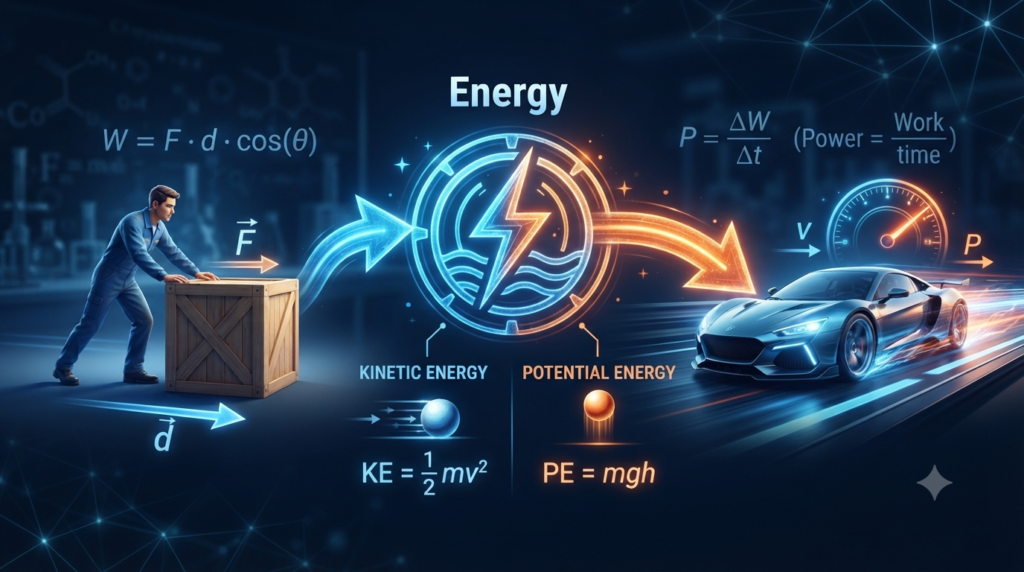
Physics studies matter, energy, motion, forces, and the fundamental interactions that shape the universe.
It explains phenomena such as falling objects, sound, light, electricity, magnetism, heat, and the motion of planets. Physics also provides the principles behind many technologies, including electric motors, solar panels, medical imaging equipment, and communication devices.
For example, the study of electricity helps us understand how electrical energy powers household appliances and electronic equipment.
Physics also investigates the structure of matter and the behaviour of the universe at extremely small and extremely large scales.
2. Chemistry
Chemistry studies the composition, structure, properties, and transformations of matter.
Everything around us, including air, water, food, metals, and plastics, consists of chemical substances. Chemical processes occur when food is cooked, iron rusts, fuel burns, or medicines interact with the body.
Chemistry helps us understand how atoms and molecules combine and how substances change during chemical reactions.
It is essential in developing medicines, fertilizers, cleaning products, batteries, construction materials, and many industrial processes.
3. Biology
Biology is the study of living organisms and their interactions with the environment.
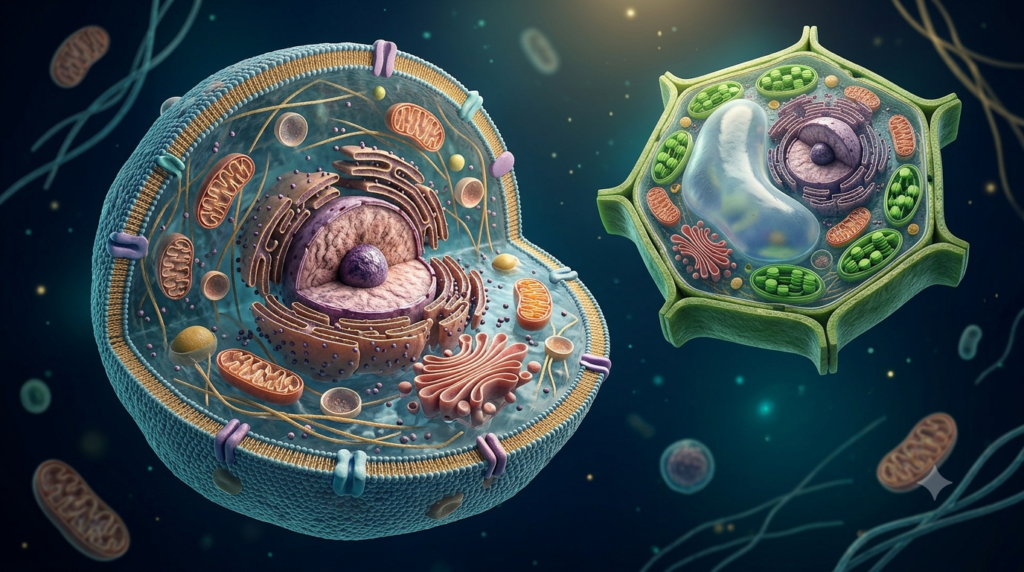
It includes the study of plants, animals, microorganisms, cells, genetics, evolution, and ecosystems. Biology helps us understand how organisms grow, reproduce, obtain energy, respond to their surroundings, and maintain life.
For example, studying cells helps scientists understand how living organisms function, while genetics explains how hereditary information passes from parents to offspring.
Biological research contributes to medicine, agriculture, biotechnology, conservation, and public health.
4. Earth Science
Earth science investigates Earth, its structure, materials, processes, and history.
It includes geology, meteorology, oceanography, and other fields that study different parts of the planet.
Geologists investigate rocks, minerals, earthquakes, volcanoes, and the formation of landscapes. Meteorologists study the atmosphere and weather. Oceanographers investigate oceans, including their physical properties, chemistry, and ecosystems.
Earth science helps us understand natural hazards, manage resources, study Earth’s history, and make more informed decisions about land use and environmental protection.
5. Space Science and Astronomy
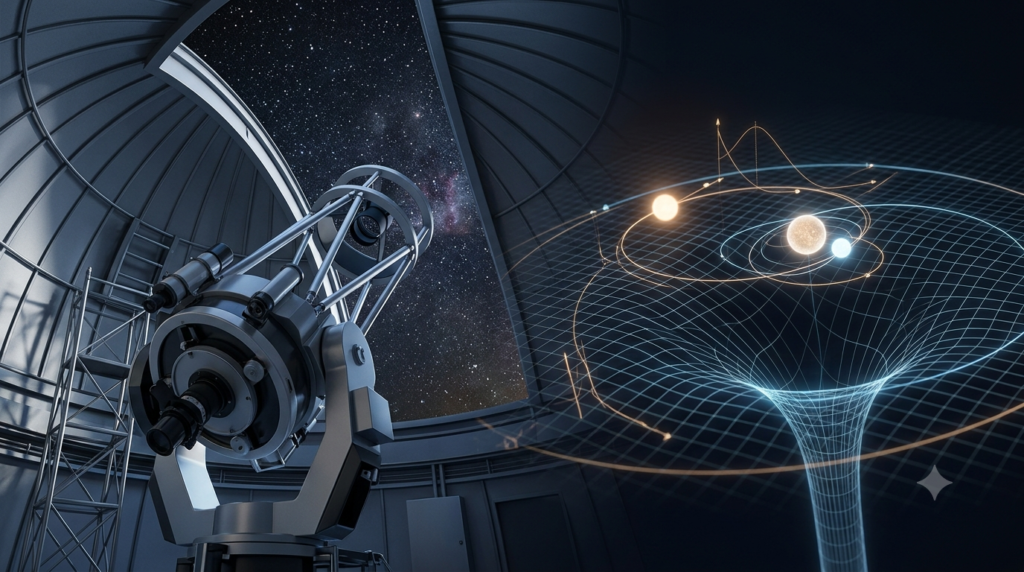
Astronomy studies celestial objects and phenomena beyond Earth, including stars, planets, moons, galaxies, and the universe as a whole.
Space science also investigates the conditions and processes found in space and supports the study of planetary environments and space exploration.
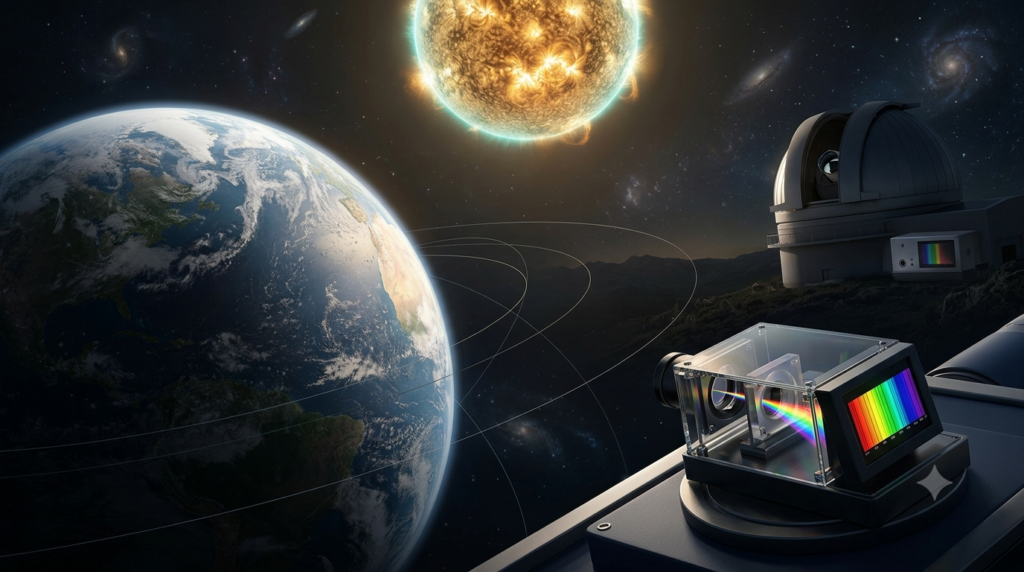
By observing distant objects and analysing light from space, scientists can investigate the composition, temperature, motion, and evolution of celestial bodies.
Astronomy helps us understand Earth’s place in the universe and provides evidence about how stars, galaxies, and planetary systems form and change over time.
6. Environmental Science
Environmental science examines the relationships between living organisms and their physical surroundings. It combines knowledge from biology, chemistry, geology, physics, and other fields.
It helps us investigate air and water pollution, climate change, deforestation, waste management, biodiversity loss, and the sustainable use of natural resources.
For example, environmental scientists may study how industrial waste affects a river and identify ways to reduce its impact on aquatic life.
This field helps individuals, communities, and governments make decisions that support environmental protection and human well-being.
7. Computer Science
Computer science studies computation, algorithms, information processing, programming, and the design of computer systems.
Although it is often classified as a formal and technological discipline, it has strong connections with scientific investigation and many applied sciences.
Computer science allows researchers to analyse large datasets, simulate complex systems, model weather patterns, and process astronomical observations. Artificial intelligence and machine learning can also help identify patterns in scientific data.
Its methods support research across medicine, physics, biology, engineering, and environmental studies.
How Does Science Improve Everyday Life?
Science influences almost every aspect of modern life, even when we do not notice it. Many everyday activities depend on scientific knowledge developed through years of observation, research, and experimentation.
1. Science Improves Healthcare
Medical science helps us understand the human body, identify diseases, and develop treatments. Research in biology, chemistry, genetics, and other fields has contributed to vaccines, diagnostic tests, medicines, and improved medical procedures.
For example, knowledge of microorganisms has helped explain how many infectious diseases spread and how hygiene, sanitation, and vaccination can reduce their transmission.
Scientific research also helps healthcare professionals evaluate treatments and understand their benefits and risks. Medical knowledge continues to develop as new evidence becomes available.
2. Science Makes Communication Easier
Modern communication systems rely on scientific principles involving electricity, electromagnetic waves, digital electronics, and information processing.
Mobile phones, television, radio, satellites, and the internet allow people to exchange information across long distances.
Scientific and engineering advances have made communication faster and more accessible. These technologies support education, business, emergency services, scientific collaboration, and personal relationships.
Understanding the science behind communication also helps us appreciate how information can travel from one device to another in a fraction of a second.
3. Science Supports Agriculture and Food Production
Agriculture benefits from scientific knowledge about soil, water, plants, insects, weather, and nutrients.
Plant biology helps farmers understand how crops grow, while soil science helps them assess soil quality and nutrient availability. Agricultural research can improve crop varieties, irrigation methods, pest management, and food storage.
For example, understanding the water requirements of different crops can help farmers use irrigation more efficiently.
Science also supports food safety by helping researchers identify harmful microorganisms, understand food preservation, and develop methods for monitoring contamination.
4. Science Helps Us Use Energy
Scientific research has improved how we generate, store, distribute, and use energy.
Electricity generation, batteries, electric vehicles, wind turbines, and solar panels all depend on scientific principles.
Physics helps explain energy conversion, while chemistry contributes to battery development and fuel research. Environmental science helps researchers assess the environmental effects of different energy sources.
By understanding energy efficiency, households and businesses can reduce unnecessary consumption and lower costs. Scientific advances also help society investigate cleaner energy technologies.
5. Science Helps Protect the Environment
Human activities can affect air quality, water resources, soil health, wildlife, and climate. Science helps us measure these changes and investigate their causes.
Researchers collect environmental data, monitor ecosystems, analyse pollutants, and develop methods for reducing environmental damage.
For instance, water testing can reveal whether a water source contains harmful substances. Climate research helps scientists understand long-term changes in temperature, rainfall, ice cover, and sea levels.
Scientific evidence does not automatically determine every environmental decision, but it provides essential information for choosing effective and responsible solutions.
What Is the Scientific Method?
The scientific method is a systematic approach used to investigate questions and evaluate possible explanations. It helps scientists organize their work and make conclusions based on evidence.
Scientific investigations do not always follow one rigid sequence, but many include the following steps.
Step 1: Make an Observation
The investigation begins by noticing something interesting or identifying a problem.
For example, a student observes that plants in one part of a garden grow taller than plants in another part.
Step 2: Ask a Question
The observation leads to a question that can be investigated.
The student might ask whether the amount of sunlight affects plant growth.
Step 3: Form a Hypothesis
A hypothesis is a proposed explanation or prediction that can be tested.
The student may predict that plants receiving more sunlight will grow taller, provided they also receive suitable water, nutrients, and other necessary conditions.
Step 4: Test the Hypothesis
The student grows similar plants under different light conditions while keeping other important factors as consistent as possible.
Plant height is measured regularly, and observations are recorded throughout the experiment.
Step 5: Analyse the Results
The collected measurements are compared to identify differences and patterns.
The student checks whether the results support the prediction and considers possible sources of error.
Step 6: Draw a Conclusion
The student uses the evidence to explain what the investigation suggests.
If plants receiving more suitable light grow taller under the tested conditions, the results support the hypothesis. However, further investigations may be needed to understand how different light levels affect growth.
Step 7: Communicate and Repeat
Scientific findings are shared so that other people can examine the methods and results. Repeating the investigation can help establish whether the findings are consistent.
This process allows scientific explanations to be tested, challenged, and improved.
Is Science Always Correct?
Science is one of the most reliable ways of investigating the natural world, but scientific knowledge is not necessarily final or complete.
Scientists develop explanations using the best available evidence. When new instruments, observations, or research methods become available, earlier explanations may be refined or replaced.
For example, scientific understanding of diseases has improved as researchers have discovered more about microorganisms, genetics, immunity, and the human body. These developments have changed how many illnesses are diagnosed, prevented, and treated.
However, this does not mean that all scientific findings are equally uncertain or that established knowledge changes without reason. Many scientific principles have been tested repeatedly and are supported by extensive evidence.
It is also important to distinguish science itself from individual scientific claims. A single study may have limitations, and preliminary findings may require further investigation. Reliable scientific knowledge develops through repeated testing, critical evaluation, and agreement among independent lines of evidence.
Science is strongest when researchers are willing to acknowledge uncertainty, correct mistakes, and follow evidence even when it challenges previous beliefs.
What Are the Limitations of Science?
Although science can answer many questions about the natural world, it has limitations.
First, scientific conclusions depend on available evidence and the methods used to collect it. Some phenomena are difficult to observe directly, and some experiments are impractical or ethically unacceptable.
Second, scientific explanations can include uncertainty. Weather forecasts, for example, are based on observations and models, but the atmosphere is complex, making perfect predictions impossible.
Third, science cannot independently settle every moral, personal, or philosophical question. It can provide evidence about the likely consequences of an action, but deciding what is fair, meaningful, or morally acceptable may also require ethical reasoning and social values.
Finally, scientific progress takes time. Researchers may need years of investigation before they can develop a strong explanation or a useful technology.
Recognizing these limitations does not reduce the value of science. Instead, it helps us use scientific knowledge responsibly and understand the difference between established evidence, reasonable uncertainty, and unanswered questions.
How Can Anyone Learn to Think Scientifically?
Scientific thinking is not limited to professional scientists. Anyone can develop it by practising curiosity, careful observation, and logical reasoning.
One useful habit is to ask questions about ordinary events. Why does a shadow change position during the day? Why does metal feel colder than wood at the same room temperature? Why do some objects float while others sink?
Instead of immediately accepting the first explanation, try to identify what evidence would help answer the question.
Other practical ways to develop scientific thinking include:
Observe carefully: Notice details and changes before reaching a conclusion.
Ask specific questions: Focus on what you want to understand or investigate.
Check reliable sources: Compare information with trustworthy scientific references.
Examine evidence: Consider whether the available facts support a claim.
Test ideas when possible: Use safe, simple experiments to investigate everyday questions.
Accept corrections: Be willing to change your opinion when stronger evidence becomes available.
Recognize uncertainty: Understand that not every question has an immediate or complete answer.
These habits are useful in education, work, health decisions, technology use, and everyday problem-solving. They also help people recognize misleading information and avoid accepting claims without sufficient evidence.
Conclusion
Science is a systematic way of understanding the natural world through observation, experimentation, evidence, and logical reasoning. It helps us explain everyday events, investigate complex natural processes, and discover how different parts of the universe are connected. Its branches, including physics, chemistry, biology, Earth science, astronomy, and environmental science, provide different perspectives on the world around us.
Science also improves everyday life through advances in healthcare, agriculture, communication, energy, and environmental protection. Although scientific knowledge has limitations and can change when new evidence emerges, its commitment to testing ideas and correcting errors makes it a powerful method of investigation.
Most importantly, science encourages people to remain curious, ask meaningful questions, and seek reliable answers. By learning to think scientifically, anyone can develop a clearer understanding of the world and make more informed decisions in everyday life.
FAQs
1. What Is Science in Simple Words?
Science is a systematic way of learning about the natural world through observation, investigation, experimentation, and evidence. It helps us understand why things happen and how different processes work. For example, science explains why rain falls, how plants grow, why objects fall toward the ground, and how our bodies function. Instead of relying only on guesses or beliefs, science encourages people to ask questions and look for reliable evidence. It includes different branches, such as physics, chemistry, biology, and Earth science. Science helps us develop knowledge, solve problems, and make better decisions in everyday life.
2. How Does Science Help Us Understand the World?
Science helps us understand the world by explaining natural events, identifying patterns, and investigating the causes of different phenomena. Scientists observe objects and processes, ask questions, collect evidence, and develop explanations that can be tested. For example, scientific research explains how the water cycle works, why seasons change, and how living organisms survive. Science also helps us understand things that cannot be seen directly, such as atoms, microorganisms, and distant galaxies. By improving our knowledge of nature and the universe, science allows us to make informed decisions and develop solutions to problems affecting individuals, communities, and the environment.
3. Why Is Science Important in Everyday Life?
Science is important in everyday life because it supports many activities, technologies, and decisions that people depend on. It helps us understand nutrition, hygiene, electricity, transportation, weather, and communication. Medical science contributes to medicines, vaccines, and diagnostic tests, while agricultural science helps improve food production. Scientific principles also explain how refrigerators preserve food, how mobile phones transmit information, and how solar panels generate electricity. Understanding science helps people use technology safely, evaluate health information, and protect natural resources. Even simple activities, such as cooking or cleaning, involve scientific processes. Science therefore makes everyday life safer, easier, and more informed.
4. What Are the Main Branches of Science?
The main branches of science include physics, chemistry, biology, Earth science, astronomy, and environmental science. Physics studies matter, energy, motion, forces, and their interactions. Chemistry investigates the composition and properties of substances and how they change. Biology focuses on living organisms, including plants, animals, and microorganisms. Earth science examines Earth’s structure, atmosphere, oceans, and geological processes. Astronomy studies stars, planets, galaxies, and the universe. Environmental science investigates relationships between organisms and their surroundings, including pollution and climate change. These branches often work together to answer complex questions. For example, climate research combines physics, chemistry, biology, and Earth science.
5. What Is the Scientific Method?
The scientific method is a systematic approach used to investigate questions and test possible explanations. It commonly involves making observations, asking a question, developing a hypothesis, conducting an investigation, analysing results, and drawing a conclusion. For example, a student may investigate whether sunlight affects plant growth by growing similar plants under different lighting conditions. The student records their growth and compares the results. Scientific investigations may also involve field observations, computer models, or other research methods. The exact process can vary depending on the question. The main purpose is to develop explanations supported by evidence rather than relying on unsupported assumptions.
6. How Does Science Help Us Solve Problems?
Science helps us solve problems by identifying their causes and developing solutions that can be tested and evaluated. Researchers use scientific knowledge to investigate diseases, improve agricultural production, reduce pollution, and develop safer technologies. For example, scientists study water quality to identify harmful contaminants and determine suitable treatment methods. Engineers apply scientific principles to design bridges, machines, and energy systems. Medical researchers investigate how diseases develop and test treatments to determine their effectiveness. Scientific problem-solving also involves comparing possible solutions, examining evidence, and correcting mistakes. This approach helps individuals and communities make practical decisions based on reliable information.
7. What Is the Difference Between Science and Technology?
Science and technology are closely related, but they have different purposes. Science focuses on understanding the natural world by investigating questions and developing explanations supported by evidence. Technology involves creating or using tools, systems, methods, and devices to meet practical needs. For example, scientific research helps us understand electricity and electromagnetic waves, while technology uses this knowledge to develop mobile phones, computers, and communication networks. The relationship works in both directions because new technologies also help scientists conduct better research. Microscopes, telescopes, and advanced computer systems allow researchers to investigate phenomena that were previously difficult to study.
8. Is Scientific Knowledge Always Changing?
Scientific knowledge can change or improve when new evidence, observations, or research methods become available. Scientists continually test explanations and investigate whether existing ideas remain consistent with the evidence. Sometimes, new discoveries refine an established explanation, while other findings require major changes in scientific understanding. However, this does not mean that all scientific knowledge is unreliable. Many scientific principles are supported by extensive evidence and repeated testing. Changes usually occur because researchers gain better information or develop more accurate explanations. Science becomes more reliable through this process of investigation, criticism, and correction, allowing our understanding of the natural world to improve over time.
9. How Can Students Develop Scientific Thinking?
Students can develop scientific thinking by asking questions, observing their surroundings, conducting safe experiments, and examining evidence before reaching conclusions. They can investigate everyday phenomena, such as why ice melts, how shadows change during the day, or why some objects float in water. Reading reliable scientific resources and comparing different explanations also helps develop critical thinking. Students should learn to distinguish facts from opinions and recognize when information lacks sufficient evidence. Keeping records of observations and repeating experiments can improve accuracy. Most importantly, scientific thinking requires curiosity, patience, logical reasoning, and a willingness to change an explanation when stronger evidence becomes available.
10. What Are the Limitations of Science?
Science is powerful for investigating the natural world, but it has certain limitations. Scientific conclusions depend on available evidence, research methods, and the accuracy of measurements. Some questions are difficult to investigate because the necessary observations or experiments are not currently possible. Scientific predictions may also contain uncertainty, especially when dealing with complex systems such as weather and ecosystems. In addition, science can provide evidence about the consequences of decisions, but it cannot independently determine every moral, philosophical, or personal question. Scientific knowledge may also be revised when new evidence emerges. Understanding these limitations helps people interpret scientific findings carefully and use evidence responsibly.