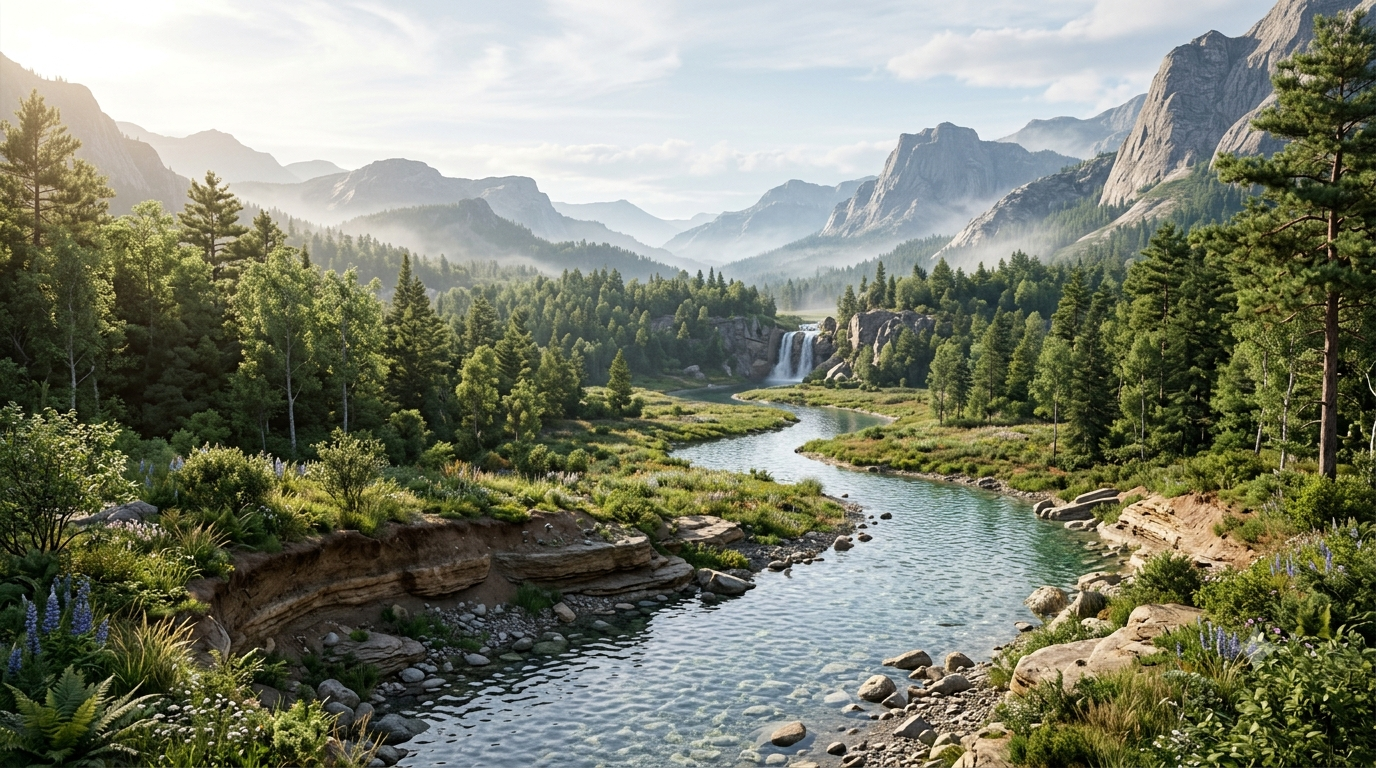
The natural environment is an essential part of life on Earth. It includes everything that exists naturally around us, such as air, water, soil, plants, animals, forests, rivers, mountains, oceans, and the atmosphere. These natural elements interact with one another and create the conditions necessary for living organisms to survive and grow. Human beings also depend on the natural environment for food, drinking water, fresh air, energy, shelter, and many other basic needs. However, increasing pollution, deforestation, climate change, and the excessive use of natural resources are putting growing pressure on the environment. Understanding the meaning and importance of the natural environment helps us recognize our dependence on nature and the need to protect it. By using resources responsibly and preserving natural ecosystems, we can support a healthier planet for present and future generations.
What Is the Natural Environment?
The natural environment refers to all the living and non-living components of the Earth that occur naturally and interact with one another. It includes the physical surroundings, biological communities, and natural processes that support life. Unlike the built environment, which consists of human-made structures such as roads, buildings, factories, and bridges, the natural environment develops through natural processes.
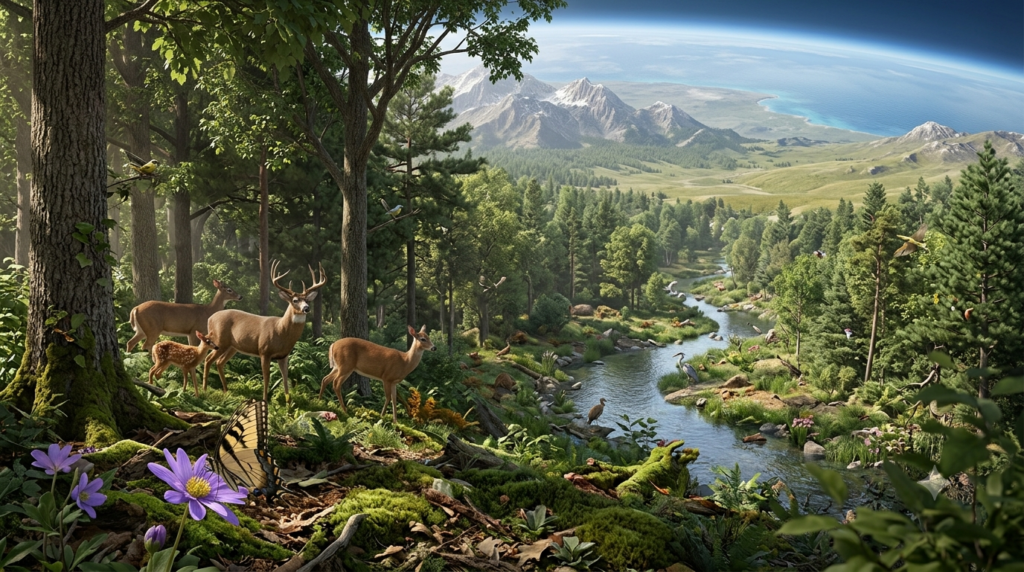
For example, a forest is part of the natural environment because it contains trees, animals, microorganisms, soil, water, and air. A river is also part of the natural environment because it provides water, supports aquatic organisms, and shapes the surrounding landscape. Even the atmosphere, which surrounds the Earth, is an important part of the natural environment because it supplies essential gases and helps regulate the planet’s temperature.
The natural environment is not simply a collection of separate objects. Its components are connected through processes such as photosynthesis, respiration, evaporation, rainfall, decomposition, and nutrient cycling. A change in one component can affect many others. For instance, removing large areas of forest can increase soil erosion, reduce wildlife habitats, disturb the water cycle, and contribute to climate change.
Main Components of the Natural Environment
The natural environment consists of several interconnected components. Each performs important functions that contribute to the stability of ecosystems and the survival of living organisms.
1. Air and the Atmosphere
Air is a mixture of gases surrounding the Earth, while the atmosphere refers to the entire layer of gases held around the planet by gravity. Air contains nitrogen, oxygen, carbon dioxide, water vapour, and other gases in varying proportions.
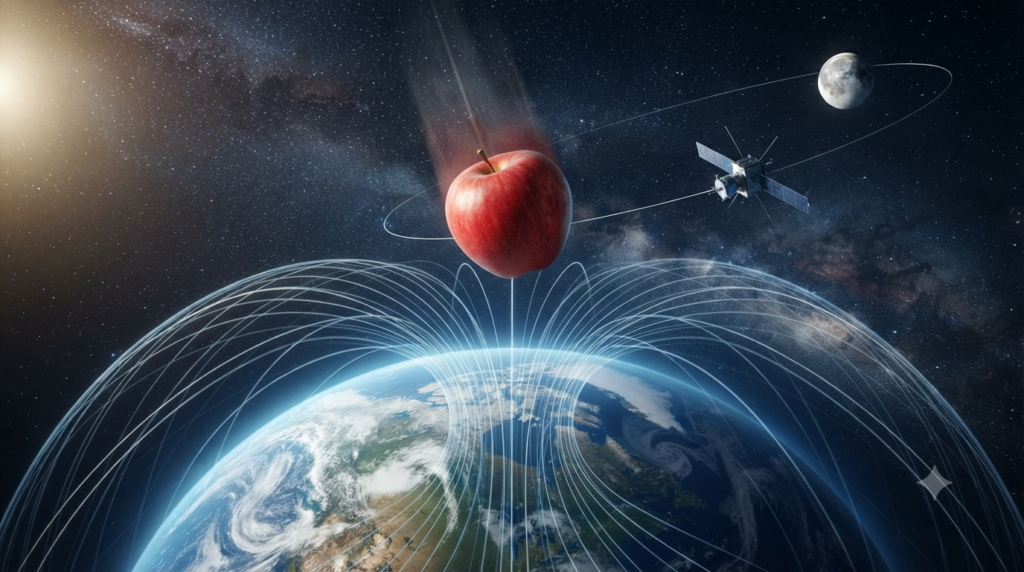
Oxygen is required by most living organisms for respiration, while carbon dioxide is used by plants during photosynthesis. The atmosphere also helps regulate temperature, supports weather patterns, and protects life from much of the harmful radiation arriving from space.
Clean air is necessary for human health, plant growth, and animal survival. However, emissions from vehicles, industries, burning waste, and fossil fuels can introduce harmful pollutants into the atmosphere. Reducing these emissions is essential for protecting both the environment and public health.
2. Water
Water is one of the most important natural resources because all known forms of life depend on it. It is found in oceans, seas, rivers, lakes, glaciers, groundwater, and the atmosphere. Water is also present inside the cells and tissues of living organisms.
Water supports essential biological processes, helps transport nutrients, regulates temperature, and provides habitats for aquatic plants and animals. Humans need clean water for drinking, cooking, sanitation, agriculture, and industrial activities.
The natural water cycle continuously moves water between the Earth’s surface and the atmosphere through evaporation, condensation, precipitation, infiltration, and runoff. This process helps distribute freshwater across the planet.
Water pollution, excessive groundwater extraction, and the destruction of wetlands threaten the availability and quality of water. Protecting rivers, lakes, groundwater, and other water sources is therefore essential for environmental sustainability.
3. Land and Soil
Land provides space for forests, grasslands, farms, settlements, and many other ecosystems. Soil, the upper layer of the Earth’s surface, is particularly important because it supports plant growth and contains minerals, organic matter, water, air, and countless microorganisms.
Healthy soil allows plants to absorb nutrients and water. It also stores carbon, supports decomposition, filters some pollutants, and helps regulate the movement of water through the landscape.
Soil develops slowly through the weathering of rocks and the breakdown of organic material. As a result, fertile soil can be difficult to replace once it has been seriously degraded.
Deforestation, overgrazing, inappropriate farming practices, mining, and construction can cause soil erosion and reduce soil fertility. Conserving vegetation, improving farming methods, and preventing land degradation help maintain productive and healthy landscapes.
4. Plants and Animals
Plants and animals are living components of the natural environment. Plants produce food through photosynthesis, release oxygen, absorb carbon dioxide, and provide habitats for many organisms. Animals contribute to food webs, pollination, seed dispersal, population regulation, and nutrient cycling.
Bacteria, fungi, and other microorganisms are also essential. Many decompose dead organisms and waste materials, returning nutrients to the soil and water so they can be used again.
Different species depend on one another for food, shelter, reproduction, and other ecological needs. When a species disappears, its loss can affect other organisms and disturb the balance of an ecosystem.
Protecting biodiversity means conserving the variety of living organisms, their genetic differences, and the ecosystems in which they live. This helps maintain the ecological processes on which life depends.
5. Climate and Natural Landforms
Climate refers to the long-term patterns of temperature, rainfall, humidity, wind, and other atmospheric conditions in a region. Climate influences the types of plants and animals that can survive in different places and affects agriculture, water availability, and human settlements.
Natural landforms include mountains, valleys, plains, plateaus, deserts, and coastal areas. These features influence drainage, soil formation, local weather, and the distribution of habitats.
For example, mountains can influence rainfall by forcing moist air to rise, while coastal ecosystems support a wide variety of marine and terrestrial organisms. Deserts contain specially adapted species that can survive with limited water.
Together, climate and landforms shape the characteristics of natural environments around the world.
Types of the Natural Environment
The natural environment can be broadly divided into terrestrial and aquatic environments. These environments contain different habitats and support different communities of organisms.
1. Terrestrial Environment
The terrestrial environment includes land-based ecosystems such as forests, grasslands, deserts, tundra, and mountain regions.
Forests contain trees and other vegetation that provide food and shelter for numerous species. Grasslands support grasses, grazing animals, predators, and many smaller organisms. Deserts receive relatively little rainfall and contain plants and animals adapted to dry conditions. Mountain environments often show changes in vegetation and wildlife with increasing altitude.
Terrestrial ecosystems are important for biodiversity, soil conservation, carbon storage, and the regulation of local and global environmental processes.
2. Aquatic Environment
The aquatic environment includes ecosystems found in water. It can be divided into freshwater and marine environments.
Freshwater ecosystems include rivers, lakes, ponds, streams, and wetlands. They provide habitats for fish, amphibians, aquatic plants, insects, and microorganisms.
Marine ecosystems include oceans, seas, coral reefs, mangroves, and other coastal habitats. They support a wide variety of organisms and play a major role in regulating the Earth’s climate.
Aquatic environments also provide food, transport routes, livelihoods, and other resources for human societies. Pollution, overfishing, habitat destruction, and climate change threaten many of these ecosystems.
Importance of the Natural Environment
The natural environment is important because it supports life, maintains ecological balance, provides resources, and contributes to human well-being. Its importance extends beyond the immediate benefits people receive from nature.
1. Supports Life on Earth
The most fundamental role of the natural environment is to provide the conditions required for life. Living organisms need suitable temperatures, water, nutrients, and access to energy to survive.
Plants use sunlight to produce food, herbivores feed on plants, and carnivores obtain energy by consuming other animals. Decomposers break down dead organisms and return nutrients to the environment.
These interconnected relationships allow ecosystems to function and sustain life across the planet. Without functioning natural systems, the survival of humans and countless other species would be threatened.
2. Provides Essential Natural Resources
Humans depend on nature for many resources used in everyday life. Agriculture relies on fertile soil, water, sunlight, and suitable climatic conditions. Forests provide timber, fibres, fruits, and other products. Rivers and groundwater supply water for drinking, farming, and industry.
Nature also provides resources such as minerals, natural fibres, and materials used in construction and manufacturing. Renewable energy sources, including sunlight, wind, and flowing water, offer alternatives to some fossil fuels.
However, natural resources are not unlimited. Overusing them can cause depletion, pollution, and habitat destruction. Responsible resource management helps meet human needs while reducing environmental damage.
3. Maintains Ecological Balance
Ecological balance refers to the dynamic relationships among organisms and their surroundings that allow ecosystems to function. This balance does not mean that nature never changes. Instead, it involves interconnected processes that support ecosystem functioning over time.
Predators help regulate prey populations, pollinators support plant reproduction, and decomposers recycle nutrients. Vegetation protects soil, while wetlands can store water and reduce the impacts of some floods.
When human activities disrupt these relationships, ecosystems may become less stable. For example, excessive hunting can reduce animal populations, while the introduction of invasive species can threaten native organisms.
Conserving habitats and protecting species help maintain the ecological relationships that support life.
4. Regulates Climate and Temperature
The natural environment plays an important role in regulating the Earth’s climate. Forests, oceans, soils, and other ecosystems exchange carbon with the atmosphere and influence the global carbon cycle.
Plants absorb carbon dioxide during photosynthesis, while oceans absorb substantial amounts of atmospheric carbon dioxide. These processes influence the concentration of greenhouse gases in the atmosphere.
Forests also provide shade and release water vapour, which can help cool local environments. Oceans absorb and redistribute heat, influencing weather and climate patterns.
Deforestation and the burning of fossil fuels increase atmospheric greenhouse gas concentrations, contributing to global warming. Protecting natural ecosystems and reducing greenhouse gas emissions are important steps toward limiting climate change.
5. Protects Biodiversity
Biodiversity includes the variety of genes, species, and ecosystems found on Earth. A healthy natural environment provides habitats in which organisms can feed, reproduce, migrate, and interact.
Biodiversity contributes to food production, pollination, soil fertility, nutrient cycling, and ecosystem resilience. Many plants and microorganisms also provide substances that are useful in medicine and scientific research.
When habitats are destroyed or polluted, species may decline or become extinct. Protecting forests, wetlands, grasslands, coral reefs, and other habitats helps conserve biodiversity and the ecological services it supports.
6. Supports Human Health
Human health is closely connected to environmental quality. Clean air helps protect the respiratory system, while safe drinking water and proper sanitation reduce the spread of waterborne diseases.
Access to nutritious food depends partly on healthy soils, adequate water, and functioning ecosystems. Green spaces can also encourage physical activity, provide places for relaxation, and support psychological well-being.
In contrast, polluted air, contaminated water, hazardous waste, and extreme heat can create serious health risks. Environmental protection is therefore an important part of protecting public health and improving quality of life.
7. Supports Agriculture and Food Production
Agriculture depends on natural processes and resources. Farmers need fertile soil, water, sunlight, suitable temperatures, and nutrients to grow crops. Many crops also rely on insects and other animals for pollination.
Soil organisms help decompose organic matter, while natural predators can control certain agricultural pests. Healthy ecosystems can also contribute to water regulation and reduce some forms of environmental damage.
Soil erosion, water scarcity, excessive pesticide use, and changing weather patterns can reduce agricultural productivity. Sustainable farming methods, crop diversity, efficient irrigation, and soil conservation help protect the natural foundations of food production.
8. Provides Economic and Livelihood Benefits
Many economic activities depend directly or indirectly on the natural environment. Agriculture, fishing, forestry, tourism, and several industries rely on natural resources and functioning ecosystems.
Forests support forest-based livelihoods, coastal ecosystems sustain fishing communities, and natural landscapes attract visitors. Healthy ecosystems also provide benefits such as water purification, flood regulation, and soil formation, which can reduce costs for communities and governments.
Environmental degradation can damage infrastructure, reduce agricultural yields, threaten livelihoods, and increase disaster-related losses. Protecting nature is therefore not only an ecological responsibility but also an important economic consideration.
9. Offers Educational, Cultural, and Recreational Value
Nature provides valuable opportunities for learning, exploration, and recreation. Observing plants, animals, weather, rocks, and water systems helps people understand scientific principles and environmental relationships.
Parks, forests, mountains, rivers, and beaches offer spaces for walking, camping, birdwatching, and other outdoor activities. Natural landscapes also hold cultural, historical, and spiritual significance for many communities.
Experiences in nature can encourage curiosity and strengthen people’s appreciation of the environment. Environmental education helps individuals understand how their choices affect natural systems and why conservation matters.
Threats to the Natural Environment
Despite its importance, the natural environment faces numerous threats caused by human activities and, in some cases, natural events.
1. Pollution
Pollution occurs when harmful substances or forms of energy enter the environment and cause adverse effects. Air pollution can result from vehicle exhaust, industrial emissions, and the burning of fuels. Water pollution may come from untreated sewage, industrial waste, agricultural chemicals, and plastic litter.
Soil pollution can occur when hazardous chemicals and waste contaminate land. Pollution can harm wildlife, damage habitats, contaminate food and water, and affect human health.
Reducing waste, treating sewage, controlling industrial emissions, and disposing of hazardous materials safely can help limit pollution.
2. Deforestation
Deforestation is the large-scale removal of forests, often to create agricultural land, expand settlements, obtain timber, or develop infrastructure.
The loss of forests destroys habitats, reduces biodiversity, exposes soil to erosion, and changes local water cycles. It can also release stored carbon dioxide and reduce the amount of carbon that forests would otherwise absorb.
Protecting existing forests, restoring degraded land, and managing forest resources responsibly are important ways to reduce these impacts.
3. Climate Change
Climate change refers to long-term changes in temperatures and weather patterns. Although climate has changed naturally throughout Earth’s history, current global warming is primarily driven by human activities that increase greenhouse gas concentrations.
Burning coal, oil, and natural gas releases carbon dioxide, while agriculture, waste management, and other activities release additional greenhouse gases. The resulting warming contributes to rising sea levels, changing rainfall patterns, heatwaves, and risks to ecosystems.
Reducing emissions, improving energy efficiency, expanding low-carbon energy, and protecting natural carbon stores can help address climate change.
4. Overexploitation of Natural Resources
Overexploitation occurs when natural resources are used faster than they can recover or be replenished. Examples include overfishing, excessive groundwater extraction, unsustainable logging, and the overuse of wildlife resources.
Such activities can deplete populations, damage ecosystems, and threaten the livelihoods of communities that depend on nature.
Sustainable resource management involves monitoring resource use, preventing illegal exploitation, reducing waste, and allowing ecosystems sufficient time to recover.
5. Habitat Destruction and Loss of Biodiversity
The expansion of cities, roads, industries, mines, and agricultural areas can destroy or divide natural habitats. When habitats become smaller or fragmented, wildlife may have difficulty finding food, mates, shelter, and safe migration routes.
Habitat destruction is a major cause of biodiversity loss. Conservation areas, wildlife corridors, responsible land-use planning, and ecosystem restoration can help protect species and maintain ecological connections.
How Can We Protect the Natural Environment?
Protecting the natural environment requires cooperation among individuals, communities, businesses, and governments. Even small actions can contribute to wider environmental improvements when they become common practices.
1. Reduce, Reuse, and Recycle
Reducing consumption prevents unnecessary resource use and waste generation. Reusing products extends their useful life, while recycling allows suitable materials to be processed into new products.
People can avoid unnecessary packaging, carry reusable bags and bottles, repair usable items, and separate recyclable waste according to local guidelines.
2. Conserve Water and Energy
Water conservation helps protect freshwater supplies. Simple measures include repairing leaking taps, avoiding unnecessary water use, and choosing efficient irrigation methods where appropriate.
Energy conservation can reduce both costs and greenhouse gas emissions. Switching off unused electrical devices, using energy-efficient appliances, improving building insulation, and choosing cleaner energy sources can help reduce environmental pressure.
3. Plant and Protect Trees
Trees provide shade, store carbon, support wildlife, and help protect soil. Planting suitable native species can improve local habitats, especially when trees are maintained and given adequate space to grow.
However, tree planting should not replace the protection of existing natural forests. Established ecosystems often contain biodiversity and ecological relationships that newly planted areas cannot quickly reproduce.
4. Prevent Pollution
People can help prevent pollution by disposing of waste properly, avoiding littering, reducing single-use plastics, and using hazardous household products responsibly.
Communities can support waste collection, sewage treatment, clean-up activities, and pollution-control measures. Industries should adopt effective pollution prevention and treatment systems.
5. Protect Wildlife and Natural Habitats
Wildlife conservation involves protecting species and the habitats they need to survive. People can support responsible conservation projects, avoid purchasing products made from threatened wildlife, and respect animals in their natural surroundings.
Governments and communities can protect important habitats, restore degraded ecosystems, control invasive species, and enforce laws against illegal hunting and wildlife trafficking.
6. Promote Environmental Education
Environmental education helps people understand natural processes, environmental problems, and practical solutions. Schools, community groups, public institutions, and media platforms can provide accurate information about conservation and sustainable living.
When people understand how their actions affect the environment, they are better prepared to make informed choices and participate in environmental protection.
7. Support Sustainable Development
Sustainable development aims to meet present needs without compromising the ability of future generations to meet their own needs.
It involves balancing environmental protection, economic progress, and social well-being. Examples include improving public transport, designing energy-efficient buildings, supporting sustainable agriculture, and managing water and land resources responsibly.
Sustainable development recognizes that long-term prosperity depends on maintaining the natural systems that support human societies.
The Role of Individuals, Communities, and Governments
Environmental protection is a shared responsibility, but different groups have different roles to play.
Individuals can reduce waste, conserve resources, make informed purchasing decisions, and participate in local conservation activities. Communities can organize environmental awareness campaigns, maintain public spaces, protect local water sources, and support responsible waste management.
Businesses can reduce pollution, improve energy efficiency, use materials more responsibly, and assess the environmental effects of their operations. Governments can establish and enforce environmental standards, protect natural habitats, invest in cleaner infrastructure, and encourage sustainable resource use.
Scientific research is also important because it helps identify environmental changes, measure pollution, monitor biodiversity, and evaluate conservation strategies. Cooperation between scientists, policymakers, communities, and the public can lead to more effective environmental solutions.
No single action can solve every environmental problem. However, coordinated efforts at local, national, and global levels can make a meaningful difference.
Conclusion
The natural environment is the foundation of life on Earth. It provides air, water, food, fertile soil, energy, habitats, and many other resources essential for the survival of humans and other organisms. It also regulates climate, supports biodiversity, maintains ecological processes, and contributes to health, livelihoods, and economic development. However, pollution, deforestation, climate change, habitat destruction, and the overuse of natural resources are placing increasing pressure on natural systems. Protecting the environment requires responsible resource use, effective conservation, environmental education, and cooperation among individuals, communities, businesses, and governments. Every generation has a responsibility to care for the natural world. By protecting ecosystems today, we can help create a cleaner, healthier, and more sustainable future for generations to come.
FAQs
1. What is the natural environment?
The natural environment refers to all the living and non-living components of the Earth that occur naturally and interact with one another. It includes air, water, soil, plants, animals, forests, rivers, oceans, mountains, and the atmosphere. These components create the conditions necessary for life to survive and develop. The natural environment also includes processes such as photosynthesis, rainfall, decomposition, and nutrient cycling. Unlike the built environment, which consists of human-made structures, the natural environment develops through natural processes. It provides essential resources, supports biodiversity, regulates climate, and maintains the ecological systems on which humans and other organisms depend.
2. Why is the natural environment important?
The natural environment is important because it provides the essential conditions and resources needed for life on Earth. It supplies oxygen, drinking water, food, fertile soil, and raw materials. Natural ecosystems support plants and animals, maintain food chains, recycle nutrients, and regulate climate. They also contribute to human health, agriculture, economic activities, and recreational opportunities. Forests absorb carbon dioxide, wetlands help regulate water flow, and pollinators support the reproduction of many plants. Without a healthy natural environment, human societies would face serious challenges related to food security, water availability, health, and economic development. Protecting nature is essential for long-term sustainability.
3. What are the main components of the natural environment?
The main components of the natural environment include air, water, land, soil, plants, animals, and other living organisms. Air provides gases required for respiration and photosynthesis, while water supports biological processes and aquatic habitats. Land provides space for ecosystems, and soil supplies nutrients and supports plant growth. Plants produce food and oxygen, while animals contribute to food webs, pollination, and seed dispersal. Microorganisms decompose organic matter and recycle nutrients. Climate and natural landforms also influence environmental conditions and the distribution of species. All these components are interconnected, meaning that changes in one component can affect the functioning of the entire ecosystem.
4. What is the difference between the natural environment and the built environment?
The natural environment consists of naturally occurring elements such as forests, rivers, mountains, oceans, soil, air, plants, and animals. These elements develop through natural processes and support ecological systems. In contrast, the built environment includes human-made structures and spaces, such as houses, roads, bridges, factories, schools, and cities. The two environments interact continuously. For example, cities depend on natural environments for water, food, energy, and construction materials. However, poorly planned development can cause pollution, habitat destruction, and resource depletion. Sustainable planning aims to reduce these impacts by protecting green spaces, conserving resources, and designing buildings and infrastructure with environmental considerations.
5. How does the natural environment support human life?
The natural environment supports human life by providing the basic resources and ecological services necessary for survival. People depend on nature for oxygen, clean water, food, medicines, energy, and materials used for shelter and clothing. Healthy ecosystems help maintain fertile soil, regulate temperature, support agriculture, and recycle nutrients. Natural landscapes also provide recreational spaces and contribute to physical and mental well-being. Forests, wetlands, and oceans perform functions that benefit human communities, including carbon storage and water regulation. When these natural systems are damaged, people may experience food shortages, water scarcity, health problems, and economic losses. Protecting nature therefore helps safeguard human life and well-being.
6. What are the major threats to the natural environment?
The major threats to the natural environment include pollution, deforestation, climate change, habitat destruction, overexploitation of natural resources, and biodiversity loss. Air pollution can harm human health, while contaminated water can damage aquatic ecosystems. Deforestation removes wildlife habitats and increases soil erosion. Climate change alters temperatures, rainfall patterns, and sea levels, creating challenges for many species and communities. Excessive fishing, hunting, logging, and groundwater extraction can deplete natural resources faster than they recover. Urbanization and industrial development may also fragment important habitats. Addressing these threats requires stronger environmental protection, responsible consumption, sustainable development, and cooperation among governments, businesses, and individuals.
7. How can we protect the natural environment?
We can protect the natural environment by conserving water and energy, reducing waste, recycling suitable materials, and avoiding unnecessary single-use products. Planting native trees and protecting existing forests can support biodiversity and improve habitats. People should dispose of waste responsibly, prevent littering, and avoid activities that pollute rivers, lakes, and soil. Sustainable transportation, energy-efficient appliances, and cleaner energy sources can help reduce greenhouse gas emissions. Communities can organize environmental awareness campaigns and participate in local conservation projects. Governments and businesses also have important responsibilities, including enforcing environmental laws, reducing industrial pollution, and managing natural resources sustainably for present and future generations.
8. What is the relationship between biodiversity and the natural environment?
Biodiversity refers to the variety of life on Earth, including differences among genes, species, and ecosystems. It is an essential part of the natural environment because living organisms interact with each other and with their surroundings. Plants provide food and shelter, pollinators help many plants reproduce, predators influence animal populations, and decomposers recycle nutrients. These relationships support ecosystem functioning and resilience. Biodiversity also provides benefits to humans, including food resources, potential medicines, and services such as pollination and soil formation. Habitat destruction, pollution, invasive species, and climate change threaten biodiversity. Protecting natural habitats is therefore essential for conserving species and maintaining healthy ecosystems.
9. How does the natural environment affect climate?
The natural environment influences climate through interactions among the atmosphere, oceans, forests, soils, and other ecosystems. Oceans absorb and redistribute heat, affecting temperatures and weather patterns across the planet. Forests absorb carbon dioxide during photosynthesis and release water vapour, influencing carbon storage and local conditions. Soil also stores carbon, while vegetation can provide shade and reduce surface heating. These natural processes help regulate the Earth’s climate system. However, deforestation and the burning of fossil fuels increase greenhouse gas concentrations, contributing to global warming. Protecting ecosystems and reducing greenhouse gas emissions can help limit climate change and reduce risks to people and wildlife.
10. Why should we conserve the natural environment for future generations?
Conserving the natural environment is important because future generations will depend on the same essential resources and ecological systems that support life today. If forests are destroyed, water sources polluted, and natural resources depleted, future communities may face greater environmental and economic challenges. Conservation helps protect biodiversity, maintain soil fertility, preserve freshwater supplies, and reduce damage to ecosystems. Sustainable resource use allows people to meet present needs without unnecessarily limiting future opportunities. Environmental education and responsible development can encourage long-term thinking and better decision-making. By protecting natural habitats, reducing pollution, and using resources wisely, we can help provide future generations with a healthier and more sustainable planet.