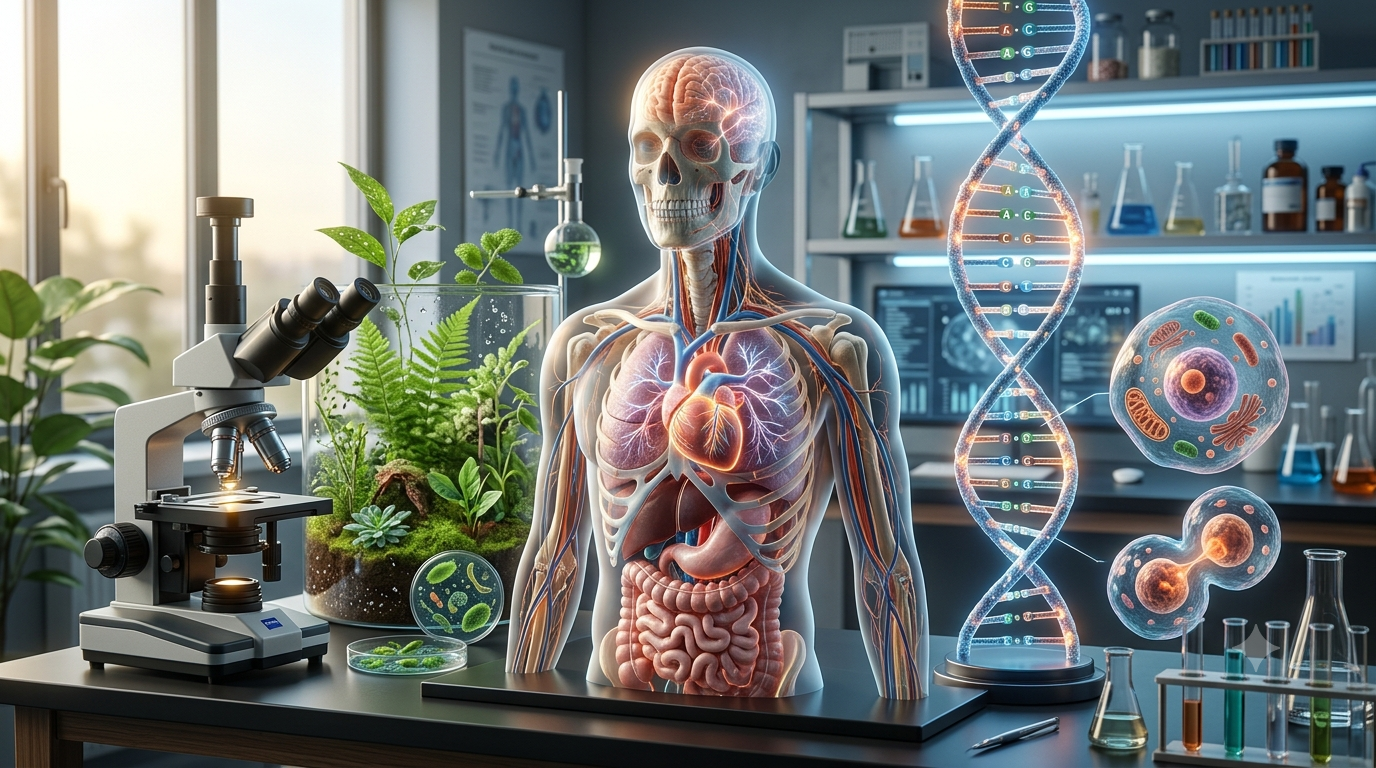
Biology is the branch of science that studies life and living organisms. It helps us understand how plants grow, how animals survive, how the human body functions, and how living things interact with their surroundings. From the food we eat to the air we breathe, biology plays an important role in almost every part of our daily lives. It explains why we need sleep, how our bodies fight diseases, how plants produce oxygen, and why protecting the environment is essential for life on Earth.
Biology is not limited to laboratories, scientific research, or textbooks. It is closely connected to everyday activities such as cooking, exercising, maintaining personal hygiene, growing plants, and caring for animals. By learning biology, we can make better decisions about our health, understand nature more clearly, and appreciate the complex processes that keep living organisms alive. In this article, we will explore what biology is, its major branches, and why it is important in everyday life.
What Is Biology?
Biology is the scientific study of living organisms and their life processes. The word biology comes from two Greek words: bios, meaning life, and logos, meaning study or knowledge. Therefore, biology literally means the study of life.
Biologists investigate living things at different levels, from tiny cells and microorganisms to large organisms such as elephants, whales, and trees. They study how organisms grow, obtain energy, reproduce, respond to their surroundings, and evolve over generations.
Biology also examines the relationships between living organisms and their environments. For example, it helps explain how bees pollinate flowers, how plants depend on sunlight, and how different organisms form interconnected food chains.
Living organisms display several important characteristics, including cellular organization, growth, metabolism, response to stimuli, reproduction, and the ability to maintain internal conditions. Although individual characteristics may also appear in non-living systems, their combined organization and biological processes help scientists understand life.
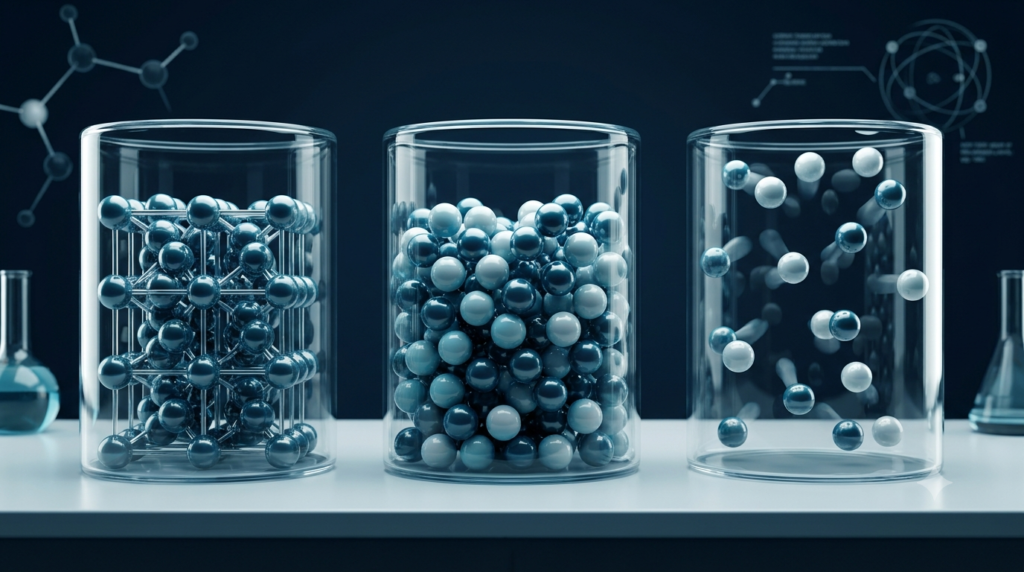
Biology is a broad field that connects with other sciences, including chemistry, physics, mathematics, and environmental science. These connections allow scientists to investigate life from the molecular level to entire ecosystems.
What Does Biology Study?
Biology covers an enormous range of subjects because life exists in many forms and environments.
Living Organisms
Biology studies humans, animals, plants, fungi, bacteria, and other organisms. Each group has different characteristics, structures, and ways of surviving.
For example, plants generally produce their own food through photosynthesis, while animals obtain energy by consuming other organisms or organic material. Fungi absorb nutrients from their surroundings, and many bacteria play essential roles in decomposition and nutrient recycling.
Cells and Their Functions
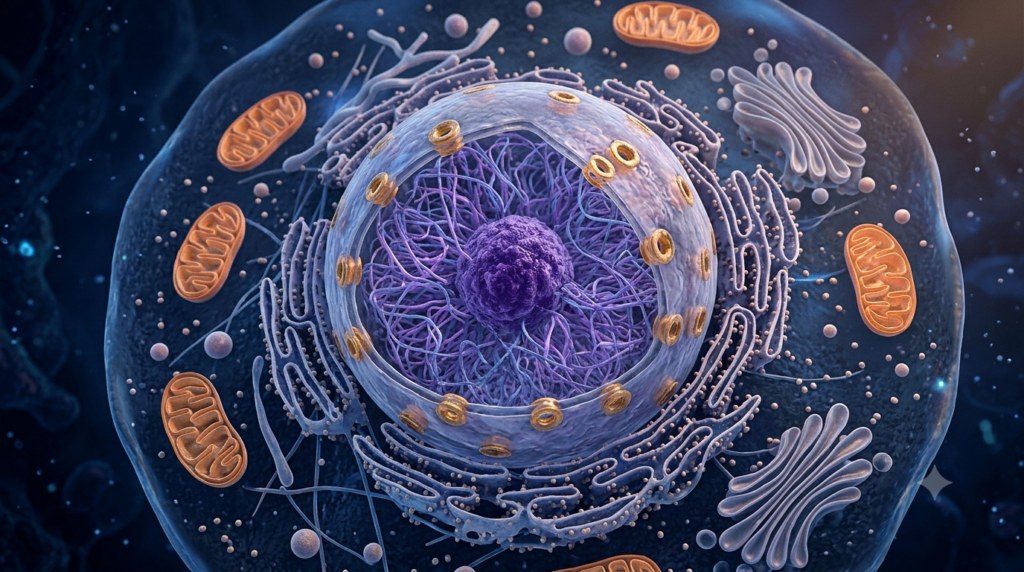
Cells are the basic structural and functional units of living organisms. Some organisms, such as bacteria, consist of a single cell, while humans and most plants contain enormous numbers of specialized cells.
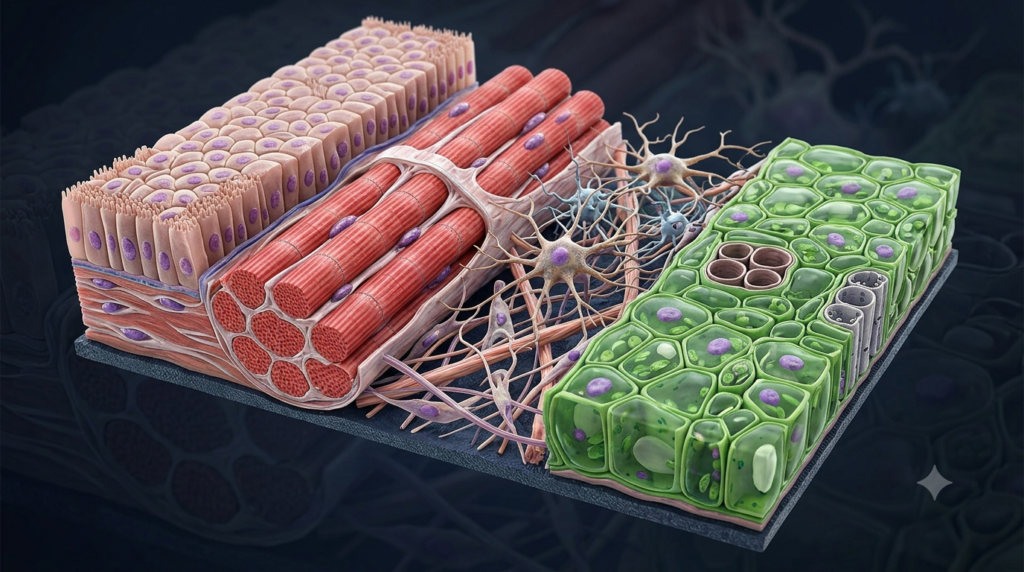
Biology explains how cells obtain energy, make proteins, remove waste, and perform other essential functions. It also examines how different types of cells work together to form tissues, organs, and organ systems.
Human Body and Health
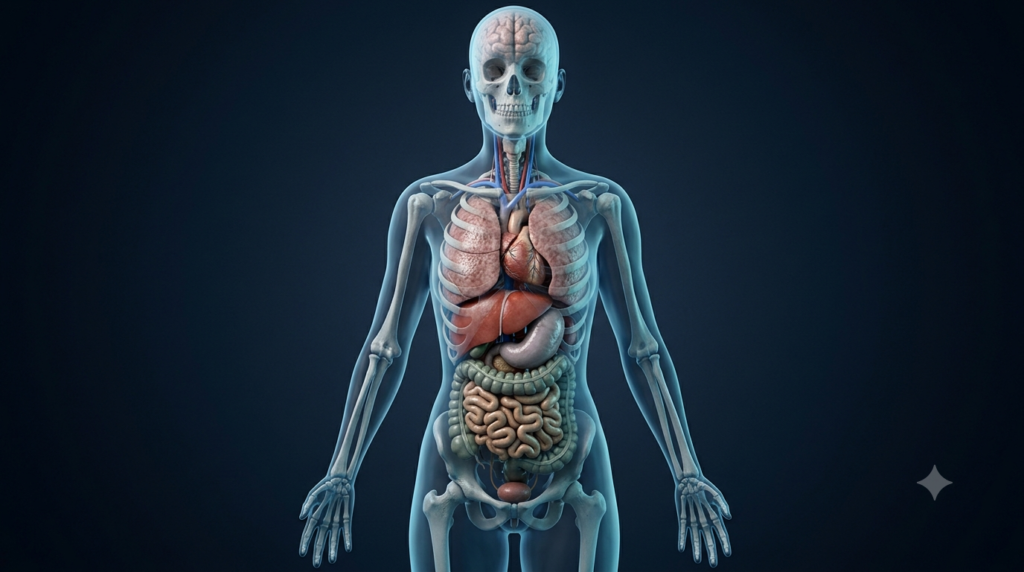
Biology helps us understand how the heart pumps blood, how the lungs exchange gases, how the digestive system processes food, and how the nervous system coordinates activities.
It also explains how the immune system protects the body against many harmful microorganisms and how different lifestyle choices influence physical health.
Nature and the Environment
Biology explores the relationships between organisms and their surroundings. It helps explain ecosystems, biodiversity, food webs, nutrient cycles, and the effects of environmental changes on living things.
This knowledge is important for protecting wildlife, conserving natural resources, and maintaining the balance of ecosystems.
Major Branches of Biology
Biology contains several specialized branches, each focusing on a particular aspect of life.
1. Botany
Botany is the study of plants. It examines plant structure, growth, reproduction, classification, and development.
Botany helps us understand how crops grow, how plants respond to different environmental conditions, and how vegetation supports life on Earth. It also contributes to agriculture, forestry, horticulture, and plant conservation.
2. Zoology
Zoology is the study of animals, including their behavior, anatomy, physiology, evolution, and classification.
It helps scientists understand animal adaptations, migration, reproduction, and interactions with other organisms. Zoological knowledge is valuable in wildlife conservation, veterinary science, and the protection of endangered species.
3. Microbiology
Microbiology focuses on microorganisms, including bacteria, microscopic fungi, protozoa, and many microscopic algae. Viruses are also studied in microbiology, although whether viruses are considered living organisms is a subject of scientific discussion.
Microorganisms are important in medicine, food production, agriculture, and environmental processes. Some cause diseases, while others help digest food, decompose organic matter, produce fermented foods, and support nutrient cycling.
4. Genetics
Genetics is the study of genes, heredity, and variation among organisms.
It explains how characteristics can pass from parents to offspring and why individuals of the same species may differ. Genetics also supports medical research, plant breeding, animal breeding, and the study of inherited conditions.
5. Anatomy and Physiology
Anatomy studies the structures of organisms, while physiology examines how those structures function.
For example, anatomy describes the parts of the human heart, whereas physiology explains how the heart contracts to circulate blood throughout the body.
Together, these branches help us understand the organization and functioning of living organisms.
6. Ecology
Ecology studies the relationships between organisms and their environment.
It explains how living things depend on one another, how populations change, and how environmental factors influence survival. Ecology is particularly important for understanding pollution, habitat destruction, climate change, and biodiversity conservation.
7. Cell Biology and Molecular Biology
Cell biology investigates the structure and functions of cells. Molecular biology focuses on biological processes involving molecules such as DNA, RNA, and proteins.
These branches are essential for understanding how cells function, how genetic information is used, and how many diseases develop at the molecular level.
Why Is Biology Important in Everyday Life?
Biology is useful because it helps us understand the living world and make informed decisions. Its importance can be seen in health, nutrition, agriculture, environmental protection, and many other areas.
1. Biology Helps Us Maintain Good Health
One of the most direct applications of biology is healthcare. Understanding the human body helps us recognize the importance of healthy habits and preventive care.
Biology explains how different organs work together to maintain life. It also helps us understand how infections develop, how the immune system responds to pathogens, and why hygiene can reduce the spread of many diseases.
For example, washing hands with soap helps remove dirt and microorganisms that may spread infections. Covering coughs and sneezes, maintaining clean surroundings, and following appropriate food-safety practices can also reduce certain health risks.
Biological knowledge helps people understand the importance of vaccination, medical examinations, and evidence-based treatment. It also supports the development of medicines, diagnostic tests, and medical technologies.
Although biology provides a foundation for understanding health, medical decisions should be based on reliable evidence and advice from qualified healthcare professionals.
2. Biology Explains Nutrition and Digestion
Every day, we eat food to obtain the energy and nutrients our bodies need. Biology explains how the digestive system breaks down food and how the body absorbs and uses nutrients.
Carbohydrates provide an important source of energy, proteins support growth and tissue repair, and fats provide concentrated energy and help with several body functions. Vitamins and minerals support numerous processes, while water is essential for hydration and normal physiological activity.
For example, when you eat rice, bread, or fruit, digestive enzymes help break down carbohydrates into simpler sugars that the body can absorb. Proteins from foods such as beans, eggs, milk, and fish are broken down into amino acids.
Biology also explains why a balanced diet is important. Consuming a suitable variety of foods helps provide the nutrients required for normal growth, immune function, and overall health.
Understanding nutrition allows people to make more informed food choices instead of relying entirely on advertisements or popular diet trends.
3. Biology Helps Prevent the Spread of Diseases
Many diseases are caused by infectious agents, including certain bacteria, viruses, fungi, and parasites. Biology helps scientists understand how these organisms enter the body, reproduce, and spread between hosts.
For example, some infections spread through contaminated food or water, while others spread through respiratory particles, direct contact, or insect vectors.
This knowledge helps public health professionals develop prevention strategies. Safe drinking water, proper sanitation, vaccination, food hygiene, and effective mosquito control can reduce the risk of particular diseases.
Biology also explains why antibiotics are effective against many bacterial infections but do not treat viral infections such as the common cold. Using antibiotics incorrectly can contribute to antimicrobial resistance, making some infections more difficult to treat.
By understanding the biological causes of disease, people can make safer decisions and better understand public health recommendations.
4. Biology Is Essential for Agriculture and Food Production
Agriculture depends heavily on biological processes. Farmers use knowledge of plant growth, soil organisms, genetics, pests, and environmental conditions to improve crop production.
Biology explains how plants absorb water and minerals, how roots support growth, and how leaves capture sunlight for photosynthesis. It also helps explain pollination, seed formation, and the role of microorganisms in soil fertility.
For example, legumes such as peas and beans can form relationships with certain bacteria that convert atmospheric nitrogen into forms usable by plants. This process can contribute to soil fertility under suitable conditions.
Biological research has also helped develop improved crop varieties that may offer higher yields, better nutritional qualities, or resistance to certain pests and diseases.
In addition, knowledge of insects and other organisms helps farmers manage agricultural pests while reducing unnecessary harm to beneficial species.
Therefore, biology supports food security and more informed approaches to sustainable agriculture.
5. Biology Helps Us Understand Plants and Their Importance
Plants are essential components of most terrestrial ecosystems. They provide food, produce oxygen through photosynthesis, store carbon, and create habitats for many organisms.
Biology explains how plants use sunlight, water, and carbon dioxide to produce sugars. During photosynthesis, oxygen is released as a by-product.
Plants also help stabilize soil, regulate local water cycles, and support biodiversity. Forests, grasslands, wetlands, and other plant-rich environments provide important ecosystem services.
Even small activities, such as growing vegetables at home or caring for indoor plants, can benefit from biological knowledge. Understanding a plant’s light requirements, watering needs, and growth conditions helps prevent common gardening problems.
Studying plants also helps us recognize the importance of conserving forests and protecting natural habitats.
6. Biology Encourages Environmental Protection
The environment contains complex communities of organisms that depend on one another and on non-living resources such as water, air, soil, and sunlight.
Ecology helps us understand these relationships and the consequences of disturbing them. For example, excessive pollution can harm aquatic organisms, while deforestation can destroy habitats and reduce biodiversity.
Biology also explains the importance of decomposers, including fungi and bacteria, which break down dead organic material and return nutrients to ecosystems.
This knowledge encourages environmentally responsible practices, such as reducing waste, conserving water, protecting wildlife, and avoiding unnecessary damage to natural habitats.
Biological research contributes to conservation programs, restoration projects, and the monitoring of threatened species.
By understanding how ecosystems function, we can better appreciate why environmental protection is necessary for both present and future generations.
7. Biology Improves Our Understanding of the Human Body
The human body performs many complex activities continuously. The heart circulates blood, the lungs exchange oxygen and carbon dioxide, the kidneys help regulate water and remove certain wastes, and the brain processes information.
Biology explains how these organs work together through coordinated organ systems.
For example, when you exercise, your muscles require more energy. Your breathing rate and heart rate usually increase to help supply oxygen and transport carbon dioxide away from active tissues.
The nervous and endocrine systems help coordinate many body functions. Hormones influence processes such as growth, metabolism, and reproduction, while nerve signals allow rapid communication between different parts of the body.
Understanding these processes helps us appreciate the importance of physical activity, sufficient sleep, hydration, and appropriate nutrition.
It also makes common bodily responses, such as sweating during exercise or shivering in cold conditions, easier to understand.
8. Biology Supports Medical Research and Biotechnology
Modern medicine relies heavily on biological knowledge. Researchers study cells, genes, microorganisms, and immune responses to understand diseases and develop new treatments.
For example, biotechnology uses living organisms, cells, or biological molecules to develop useful products and processes. It has applications in medicine, agriculture, food production, and industry.
Genetic engineering can allow scientists to modify genetic material for specific purposes. Recombinant DNA technology has been used to produce human insulin for treating diabetes.
Biotechnology also contributes to the development of certain vaccines, diagnostic tests, and advanced research methods.
However, biological technologies require careful testing, appropriate regulation, and consideration of ethical and environmental consequences.
These developments demonstrate how understanding life at the cellular and molecular levels can lead to practical benefits for society.
9. Biology Helps Us Understand Animals and Their Behavior
Animals are an important part of the natural world, and biology helps explain how they survive, communicate, reproduce, and adapt to changing conditions.
For example, birds may migrate in response to seasonal changes in food availability and environmental conditions. Some animals use camouflage to avoid predators, while others possess specialized structures that help them find food or defend themselves.
Biology also explains why animals have different dietary requirements and habitats.
This knowledge is useful for responsible pet care, livestock management, wildlife conservation, and veterinary medicine. Understanding animal behavior can help people recognize signs of stress and provide suitable living conditions for domestic animals.
Studying animals also teaches us how species depend on their habitats and why the loss of one species can affect other organisms in an ecosystem.
10. Biology Explains Reproduction, Growth, and Heredity
Living organisms produce offspring through different reproductive processes. Biology explains how reproduction occurs and how genetic information is passed from one generation to the next.
In humans, reproduction involves specialized reproductive cells and a series of biological processes. Genetics helps explain how inherited characteristics are transmitted, while developmental biology studies how organisms grow and develop.
For example, children may inherit certain physical characteristics from their parents, although many traits are influenced by several genes and environmental factors.
Biology also helps explain the stages of human development, puberty, reproductive health, and the importance of accurate health education.
Understanding these topics encourages informed decisions and helps people distinguish scientific explanations from misconceptions.
11. Biology Helps Us Understand Climate Change and Biodiversity
Climate change affects many organisms by altering temperatures, rainfall patterns, ocean conditions, and the availability of suitable habitats.
Biology helps researchers investigate how species respond to these changes. Some organisms may shift their geographic ranges, change their seasonal behavior, or struggle to survive when environmental conditions change too quickly.
Biodiversity refers to the variety of life, including differences among species, genes, and ecosystems.
High biodiversity can support ecosystem stability and provide valuable resources, including food, medicines, and genetic material useful for research and agriculture.
Biologists study threatened species, damaged habitats, and changing ecosystems to identify effective conservation strategies.
Their work helps society understand the ecological consequences of environmental change and the importance of reducing habitat destruction, pollution, and other pressures on wildlife.
12. Biology Is Useful in Food Preparation and Preservation
Biology influences the way we prepare, store, and preserve food. Microorganisms can cause food spoilage, but certain microorganisms are also deliberately used to produce familiar foods.
For example, yeast helps dough rise by producing carbon dioxide during fermentation. Bacteria are used in the production of yogurt and some cheeses.
At the same time, harmful microorganisms may grow in food stored under unsuitable conditions. Understanding their growth requirements explains why refrigeration, proper cooking, clean preparation surfaces, and safe storage are important.
Food preservation methods such as freezing, drying, heating, and fermentation work in different ways to slow spoilage or control microorganisms.
Biological knowledge therefore helps us appreciate the science behind cooking and make safer decisions when handling food.
Real-Life Examples of Biology in Everyday Activities
Biology becomes easier to understand when we connect it with familiar experiences.
Consider these examples:
Washing your hands: Knowledge of microorganisms explains how handwashing helps remove germs and reduce the spread of infections.
Eating breakfast: Digestion and metabolism explain how the body processes nutrients and obtains energy from food.
Exercising: Physiology explains changes in breathing, heart rate, muscle activity, and body temperature.
Watering plants: Plant biology explains how roots absorb water and how water supports photosynthesis and other cellular processes.
Storing food in a refrigerator: Microbiology explains why lower temperatures slow the growth of many microorganisms.
Growing vegetables: Botany explains the importance of sunlight, water, nutrients, pollination, and suitable growing conditions.
Caring for pets: Animal biology helps us understand nutrition, behavior, reproduction, and health requirements.
Separating waste: Ecology explains how waste management can reduce pollution and protect habitats.
These examples show that biology is not an isolated academic subject. It is a practical science that helps us understand the activities and decisions we encounter every day.
How Can Students and Curious Learners Study Biology Effectively?
Biology becomes more interesting when learners connect scientific concepts with real-world observations.
Observe Nature
Observe plants, insects, birds, and other organisms in your surroundings. Notice how plants grow toward light, how insects interact with flowers, and how seasonal changes influence living things.
Always observe wildlife responsibly without disturbing animals or damaging habitats.
Understand Concepts Instead of Memorizing Everything
Biology contains many scientific terms, but memorizing definitions alone is not enough. Try to understand how and why biological processes occur.
For example, rather than simply memorizing the word photosynthesis, learn how plants use light energy to produce sugars and why this process matters to ecosystems.
Use Diagrams and Models
Diagrams can make complex structures easier to understand. Draw the human digestive system, a plant cell, or the life cycle of an organism.
Label each part and explain its function in your own words.
Connect Biology With Daily Life
Relate each topic to familiar situations. When studying nutrition, examine the functions of nutrients. When studying ecology, consider how local waste disposal affects the environment.
These connections help make scientific knowledge more meaningful and memorable.
Read Reliable Scientific Information
Use trustworthy textbooks, educational resources, scientific institutions, and reputable health organizations. Compare claims with established evidence and be cautious about unsupported health advice or sensational scientific headlines.
A curious and questioning attitude is an important part of learning science.
Is Biology Important Only for Scientists and Doctors?
No. Biology is valuable for everyone, regardless of their profession or educational background.
Doctors, nurses, pharmacists, veterinarians, agricultural scientists, environmental researchers, and biotechnologists use biology directly in their work. However, people in other professions also benefit from understanding living systems.
Parents may use biological knowledge to understand children’s growth and nutrition. Gardeners can use it to care for plants. Pet owners can apply it to animal welfare, and consumers can use it to make more informed food choices.
Biology also encourages scientific thinking. It helps people evaluate claims about health, recognize the importance of evidence, and understand the consequences of human activities on the natural world.
A person does not need to become a professional biologist to benefit from learning how life works.
Conclusion
Biology is the scientific study of life, living organisms, and their interactions with the environment. It helps us understand the human body, nutrition, diseases, plants, animals, reproduction, genetics, and ecosystems. Its applications extend far beyond classrooms and laboratories into nearly every aspect of everyday life.
From choosing nutritious food and maintaining personal hygiene to growing plants and protecting wildlife, biological knowledge helps us make better-informed decisions. It also supports advances in medicine, agriculture, biotechnology, and environmental conservation.
Most importantly, biology encourages us to look at the world with curiosity and a deeper appreciation for living things. By understanding the processes that sustain life, we can take better care of ourselves, respect other organisms, and contribute to a healthier environment. Whether you are a student or simply a curious learner, biology offers valuable knowledge that makes everyday experiences easier to understand and the natural world more fascinating.
FAQs
1. What Is Biology in Simple Words?
Biology is the branch of science that studies life and living organisms. It helps us understand how humans, animals, plants, and microorganisms live, grow, reproduce, and interact with their surroundings. Biology also explains important life processes, such as digestion, respiration, photosynthesis, and reproduction. For example, it helps us understand how the human heart pumps blood, how plants prepare food using sunlight, and how microorganisms contribute to decomposition. Biology connects scientific knowledge with everyday experiences, making it easier to understand our bodies and the natural world. It is an important subject for anyone interested in learning how life works.
2. Why Is Biology Important in Everyday Life?
Biology is important in everyday life because it helps us understand health, nutrition, hygiene, agriculture, and the environment. It explains how our bodies function, why balanced nutrition matters, and how certain diseases spread. Biological knowledge also helps us care for plants and animals, understand food preservation, and recognize the importance of protecting natural habitats. For example, knowing how microorganisms spread can encourage proper handwashing and safe food handling. Biology also supports medical discoveries, improved crops, and environmental conservation. By applying biological knowledge to ordinary activities, people can make informed decisions that support personal well-being, responsible behavior, and a healthier environment.
3. What Are the Main Branches of Biology?
The main branches of biology include botany, zoology, microbiology, genetics, ecology, anatomy, physiology, and cell biology. Botany studies plants, while zoology focuses on animals. Microbiology investigates microorganisms, including bacteria and microscopic fungi. Genetics examines genes, heredity, and variation, whereas ecology studies relationships between organisms and their environment. Anatomy investigates the structures of living organisms, and physiology explains how those structures function. Cell biology focuses on cells and their activities. Each branch explores a different aspect of life, but they are closely connected. Together, these branches help scientists understand organisms, develop medical treatments, improve agriculture, and protect ecosystems.
4. How Does Biology Help Us Understand the Human Body?
Biology explains how the human body is structured and how its organs and systems work together. It helps us understand the functions of the heart, lungs, brain, digestive system, kidneys, and other organs. For example, the digestive system breaks down food into nutrients that the body can absorb and use. The respiratory system exchanges oxygen and carbon dioxide, while the circulatory system transports oxygen and nutrients throughout the body. Biology also explains how the nervous and endocrine systems coordinate different activities. Understanding these processes helps people appreciate the importance of balanced nutrition, regular physical activity, sufficient sleep, and preventive healthcare.
5. What Is the Difference Between Biology and Other Sciences?
Biology primarily studies living organisms and their life processes, while other sciences focus on different aspects of the natural world. Physics examines matter, energy, motion, and forces. Chemistry studies substances, their composition, properties, and reactions. Mathematics deals with numbers, patterns, quantities, and logical relationships. Earth science investigates Earth’s structure and processes, while astronomy studies celestial objects and the universe. However, these subjects frequently overlap. For example, biology uses chemistry to explain cellular reactions and physics to understand blood flow and movement. Mathematics helps biologists analyze experimental data. Combining these scientific disciplines provides a more complete understanding of life and the physical world.
6. How Does Biology Help Prevent Diseases?
Biology helps prevent diseases by explaining how pathogens, including certain bacteria, viruses, fungi, and parasites, affect the human body and spread between people or through the environment. This knowledge supports preventive measures such as vaccination, handwashing, safe food preparation, clean drinking water, and proper sanitation. Biology also helps scientists understand how the immune system recognizes and responds to harmful microorganisms. For example, understanding mosquito life cycles supports measures to control mosquitoes that transmit diseases. Biological research contributes to diagnostic tests, medicines, and public health programs. Although not every disease can be prevented, applying reliable biological knowledge can reduce many health risks.
7. What Role Does Biology Play in Agriculture?
Biology plays an essential role in agriculture by helping farmers understand plant growth, soil fertility, crop reproduction, pests, and diseases. It explains how plants use sunlight, water, and carbon dioxide to produce sugars through photosynthesis. Biological research also supports the development of improved crop varieties, disease-resistant plants, and effective pest-management methods. Soil microorganisms contribute to decomposition and nutrient cycling, helping maintain soil health. Knowledge of pollination helps farmers understand the importance of bees and other pollinating organisms for many crops. By applying biological principles, farmers can improve productivity, manage agricultural challenges, and support more sustainable food production while protecting beneficial organisms.
8. How Does Biology Help Protect the Environment?
Biology helps protect the environment by explaining how organisms interact with one another and their surroundings. Ecology, a major branch of biology, examines ecosystems, food chains, biodiversity, and the effects of environmental changes. This knowledge helps scientists understand the consequences of pollution, deforestation, habitat destruction, and climate change. Biology also supports wildlife conservation, endangered-species protection, and habitat restoration. For example, studying a local ecosystem can reveal how removing one species may affect other organisms that depend on it. Biological knowledge encourages responsible practices such as reducing waste, conserving water, protecting forests, and preserving natural habitats for future generations.
9. What Careers Can People Pursue After Studying Biology?
Studying biology can lead to careers in healthcare, scientific research, agriculture, environmental protection, biotechnology, and education. Depending on their qualifications and additional training, biology learners may pursue professions such as doctor, nurse, pharmacist, veterinarian, microbiologist, geneticist, laboratory technician, agricultural scientist, or environmental scientist. Biology also provides a foundation for careers in wildlife conservation, food science, public health, and biotechnology research. Some careers require specialized university degrees, professional licensing, or postgraduate education. Students interested in biology should explore the requirements of individual professions before choosing a course. A strong understanding of biology can open many opportunities to investigate life and solve practical problems.
10. How Can Beginners Learn Biology Easily?
Beginners can learn biology more easily by connecting scientific concepts with familiar experiences. Start with basic topics such as living organisms, cells, the human body, plants, and ecosystems. Use diagrams, labeled illustrations, and simple models to understand biological structures and processes. Observing plants, insects, and other organisms can make learning more interesting, provided observations do not disturb wildlife. Try explaining concepts in your own words instead of memorizing definitions alone. Relate lessons to daily activities, such as digestion, exercise, gardening, and food preservation. Reading reliable educational resources and reviewing topics regularly will gradually strengthen understanding and build a solid foundation in biology.