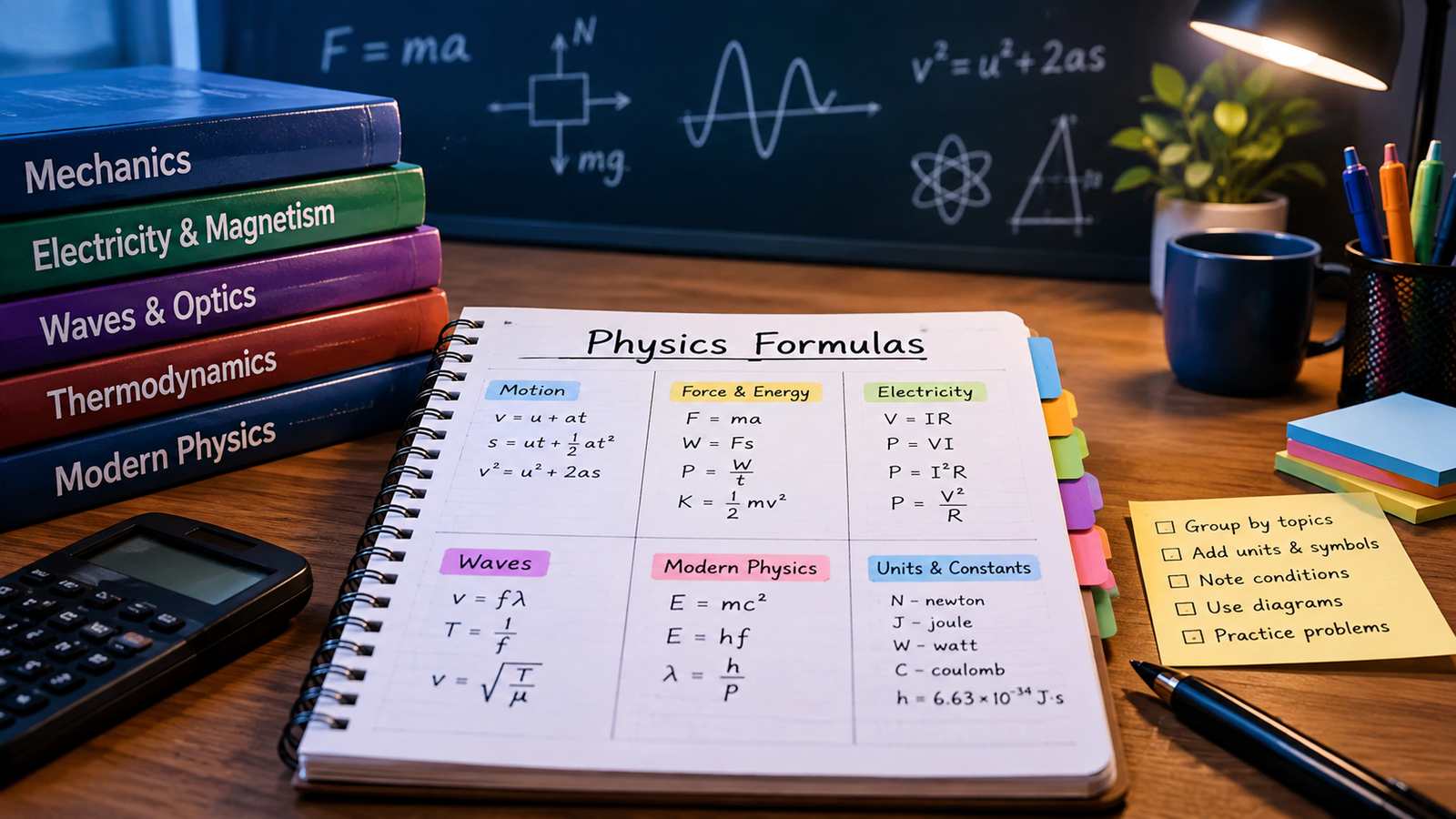
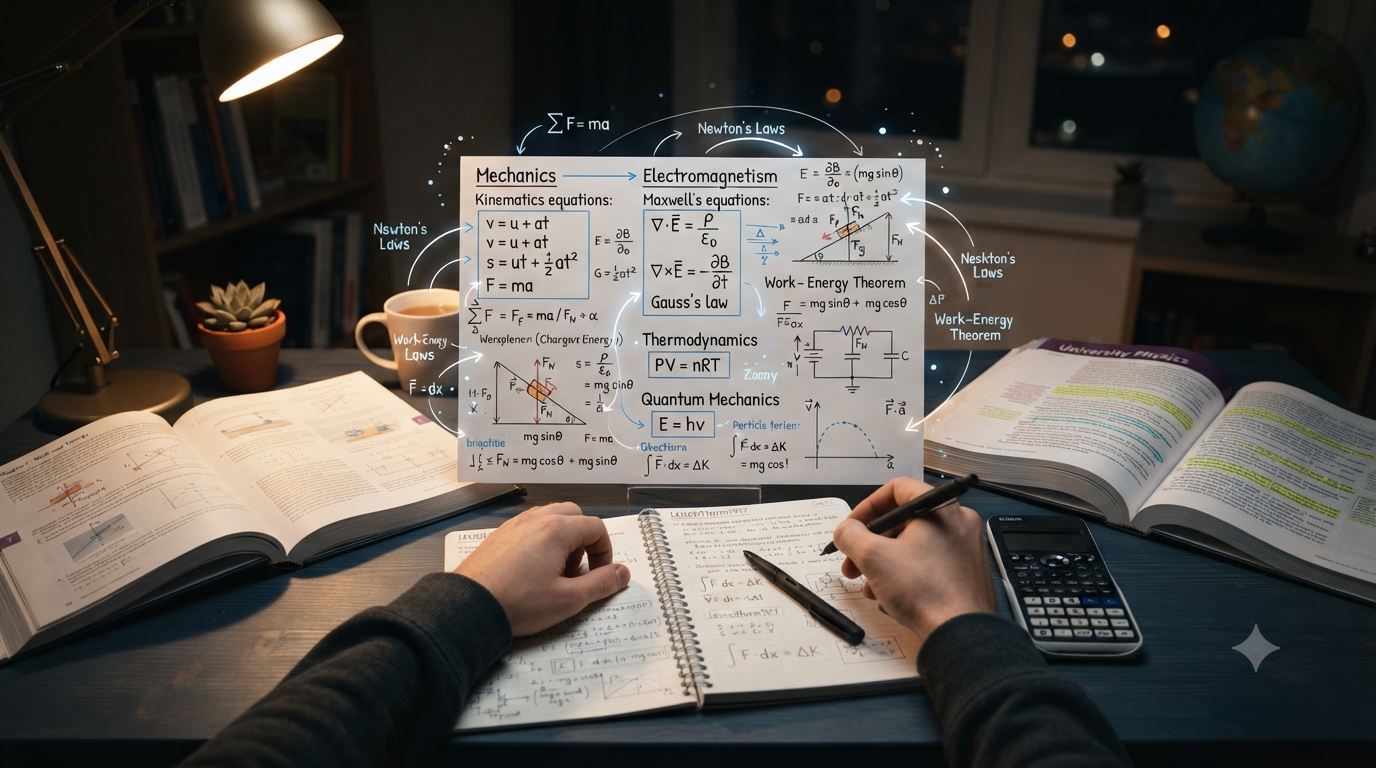
Mass is one of the most important physical quantities in physics. It tells us how much matter an object contains and plays a central role in describing motion, force, momentum, energy, and many other physical phenomena. To measure mass consistently around the world, scientists use the International System of Units, commonly called the SI system. The SI unit of mass is the kilogram, written as kg.
The kilogram is different from most other SI base units because its name contains a prefix, “kilo,” even though it is itself a base unit. Understanding why the kilogram is the SI base unit of mass, how it is defined today, and why this definition matters helps us understand how modern measurements are connected to fundamental science.
What Is Mass?
Mass is a physical quantity that describes the amount of matter in an object. It also measures an object’s resistance to changes in its motion, which is known as inertia.
For example, a small stone may have a mass of 200 grams, while a large bag of rice may have a mass of 25 kilograms. The larger the mass of an object, the greater its resistance to changes in motion.
Mass should not be confused with weight. Mass remains essentially the same when an object moves from one location to another, while weight depends on the gravitational field acting on the object.
For example, a person’s mass is the same on Earth and the Moon, but their weight is different because the Moon’s gravitational acceleration is much weaker than Earth’s.
What Is the SI Unit of Mass?
The SI unit of mass is the kilogram, symbol kg.
One kilogram is the standard SI unit used to express mass. Other commonly used units, such as grams and milligrams, are related to the kilogram:
1 kilogram = 1000 grams
1 gram = 1000 milligrams
1 milligram = 0.001 gram
In physics, kilograms are especially important because many fundamental equations use mass together with SI units of length and time.
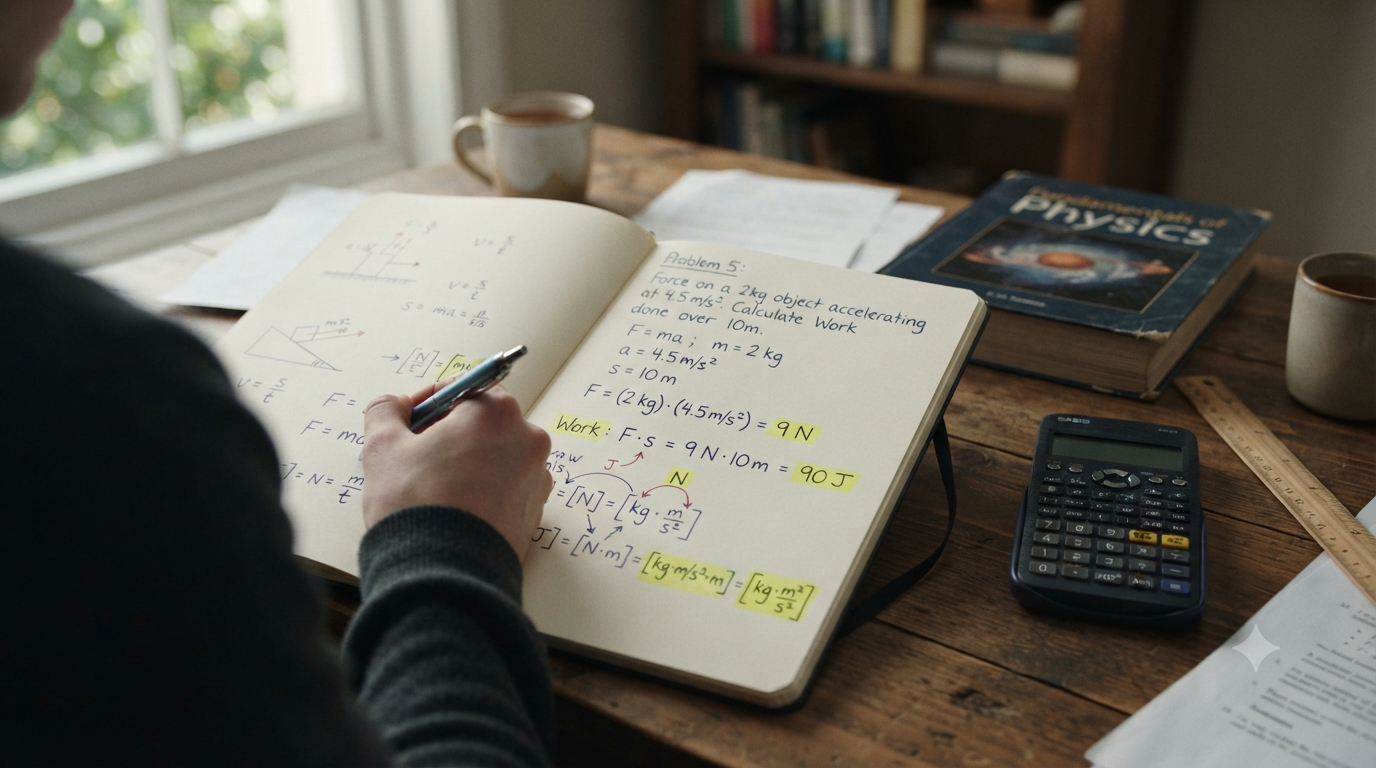
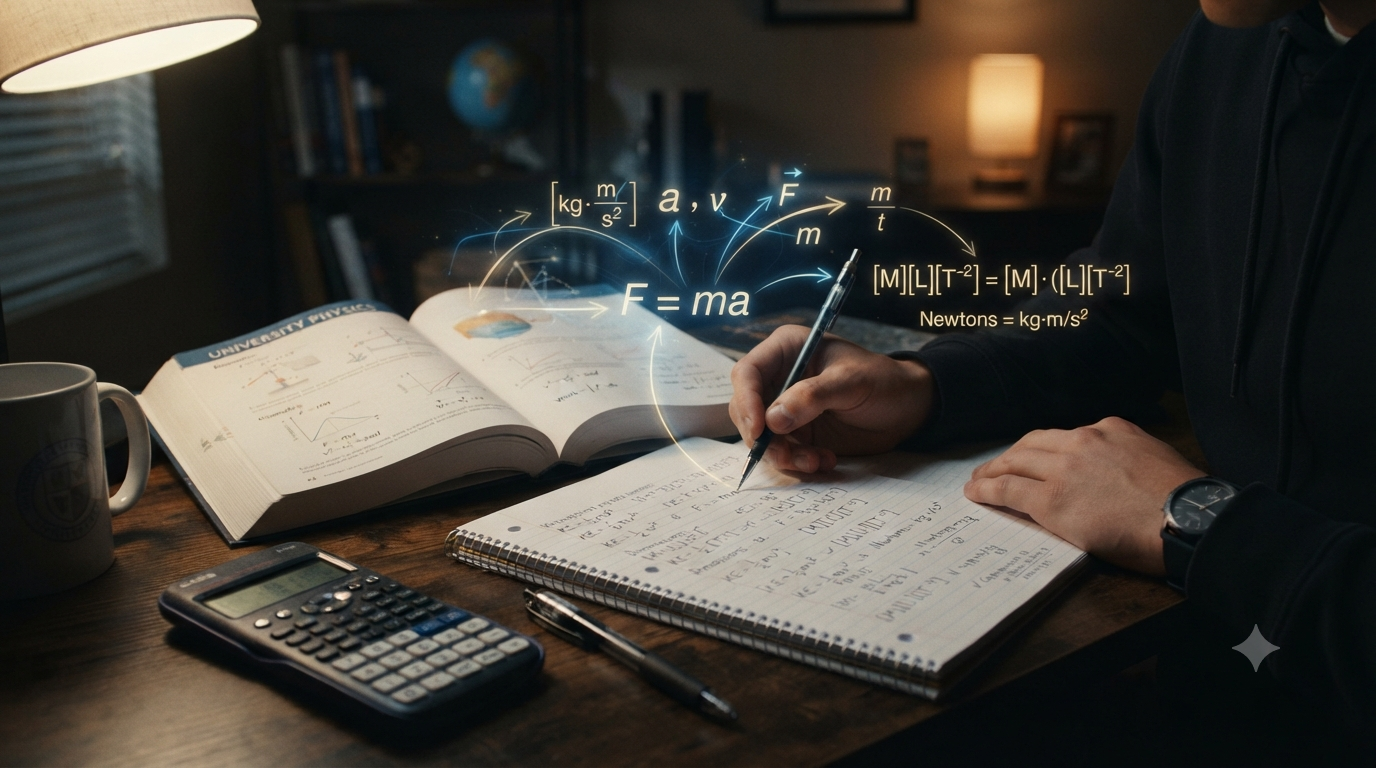
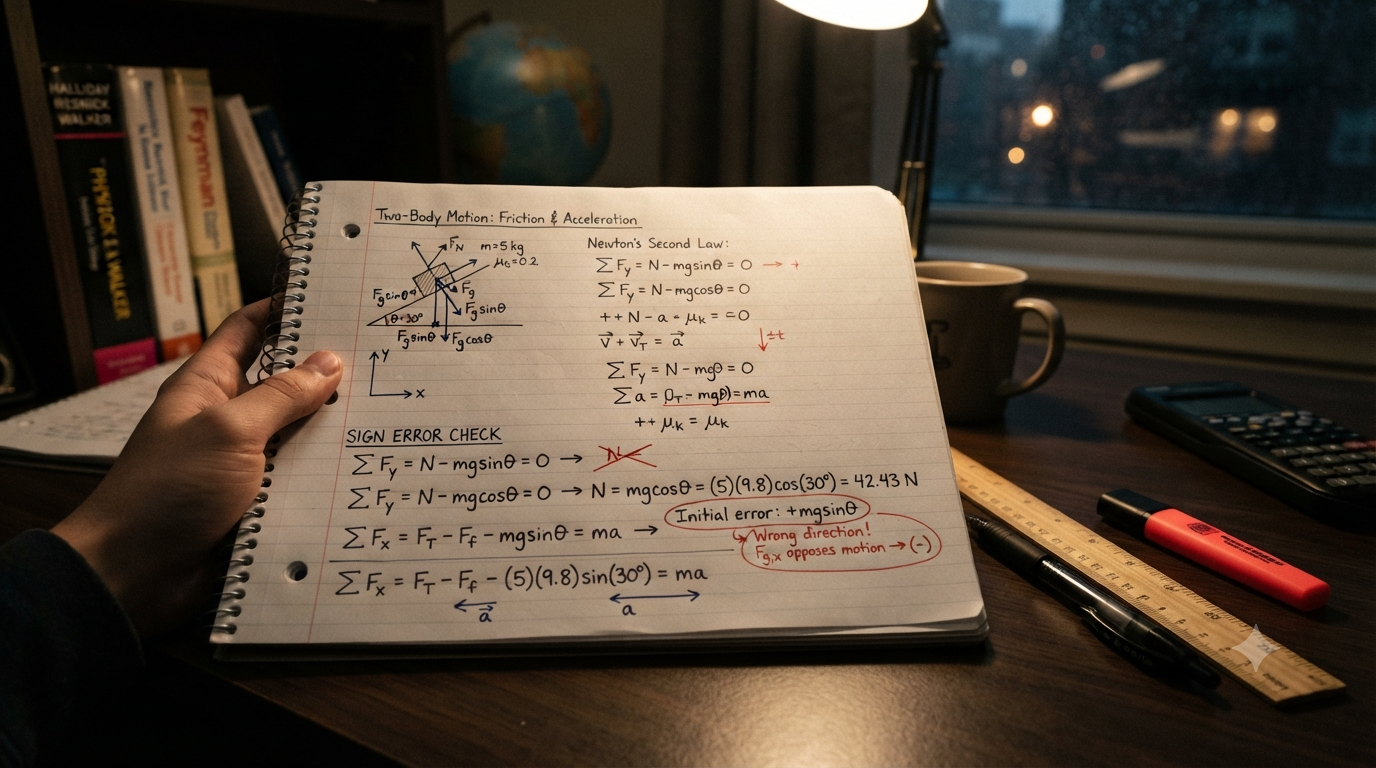
For example, Newton’s second law is written as:
F = ma
where F is force in newtons, m is mass in kilograms, and a is acceleration in metres per second squared.
Using kilograms as the SI unit makes the relationships between different physical quantities consistent.
Why Is Kilogram a Base Unit?
The SI system contains seven base units. These units form the foundation from which many other units, called derived units, are constructed.
The seven SI base units are:
metre (m) for length
kilogram (kg) for mass
second (s) for time
ampere (A) for electric current
kelvin (K) for thermodynamic temperature
mole (mol) for amount of substance
candela (cd) for luminous intensity
Mass is given its own base unit because it is a fundamental quantity used to define and relate many other physical quantities.
For example, force is a derived quantity. Its SI unit, the newton, can be expressed using base units:
1 N = 1 kg·m·s⁻²
This shows how the kilogram contributes directly to the definition of force.
Similarly, the SI unit of energy, the joule, can be written as:
1 J = 1 kg·m²·s⁻²
Therefore, the kilogram is essential for connecting mass with many other measurements in physics.
Why Is It Called Kilogram Instead of Gram?
One unusual feature of the SI system is that the base unit of mass is the kilogram rather than the gram.
The prefix kilo- normally means 1000. Therefore:
1 kg = 1000 g
This can seem unusual because SI prefixes are generally added to base units. For example, a kilometre is 1000 metres and a millisecond is one-thousandth of a second.
For mass, however, the kilogram is the base unit, while the gram is treated as a submultiple of the kilogram.
This arrangement comes from the historical development of the metric system. The kilogram became the practical base unit of mass and was retained when the modern SI system was developed.
How Was the Kilogram Defined in the Past?
For many years, the kilogram was defined using a physical object.
In 1889, an international prototype kilogram was adopted. It was a carefully manufactured cylinder made from a platinum-iridium alloy and kept under controlled conditions. The object served as the reference for the kilogram.
The idea was simple: if the reference object represented one kilogram, other masses could be compared with it.
However, depending on a physical object has limitations. The object could potentially lose material, gain contamination, or change slightly over time. Even extremely small changes could become important as measurement technology became more precise.
Scientists therefore wanted a definition that would not depend on a particular physical object.
How Is the Kilogram Defined Today?
The modern definition of the kilogram is based on a fundamental constant of nature called the Planck constant, represented by h.
Since 20 May 2019, the kilogram has been defined by assigning an exact numerical value to the Planck constant:
h = 6.62607015 × 10⁻³⁴ J·s
Because the joule and second can be expressed using SI base units, this definition connects the kilogram to fundamental physical constants.
This change was extremely important. Instead of saying that a particular object is exactly one kilogram, scientists now define the kilogram through a constant of nature.
The definition therefore does not depend on the condition of a physical reference object.
Why Was the Definition Changed?
The change was made to improve the long-term stability and precision of the SI system.
A physical object can be damaged, contaminated, or altered. Even if such changes are extremely small, they can matter when scientists make highly precise measurements.
A fundamental constant, on the other hand, is not a physical object that can be stored in a laboratory and accidentally changed.
The modern definition allows scientists to realize the kilogram using experimental methods based on fundamental physics. One important device used for this purpose is the Kibble balance.
What Is a Kibble Balance?
A Kibble balance is a highly precise scientific instrument used to realize the kilogram from the fixed value of the Planck constant.
It works by connecting mechanical measurements, such as mass and gravitational force, with electrical measurements.
In simplified terms, a Kibble balance compares mechanical power with electrical power. The experiment uses precisely measured quantities such as voltage, current, velocity, and gravitational acceleration.
The relationship between these measurements allows scientists to determine mass using the fixed Planck constant.
This approach means that the kilogram can be reproduced through an experiment rather than by comparing an object with an old reference mass.
Why Is the Kilogram Important in Physics?
The kilogram appears throughout physics because mass is involved in many fundamental relationships.
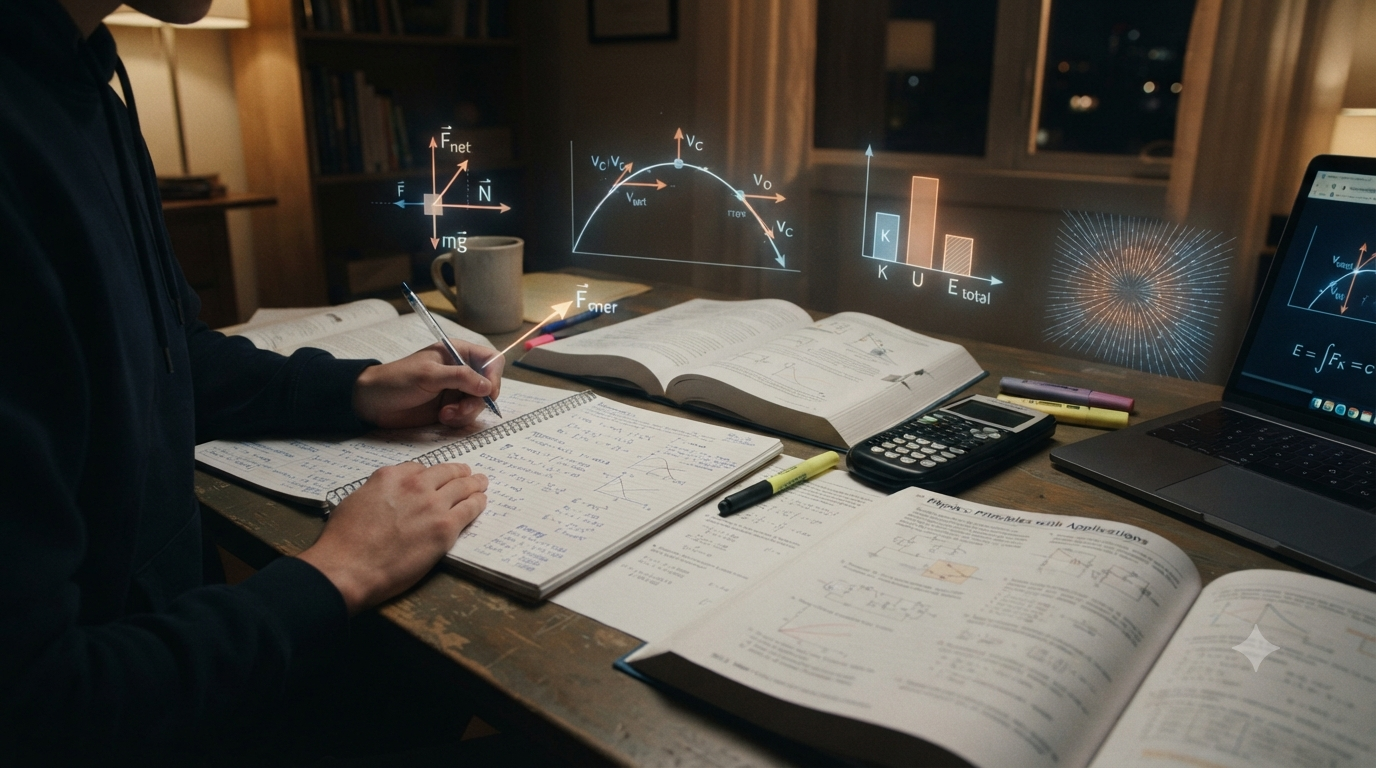
In mechanics, mass is used to calculate force:
F = ma
It is also involved in momentum:
p = mv
where p is momentum, m is mass, and v is velocity.
Mass also appears in kinetic energy:
K = ½mv²
and gravitational relationships such as:
F = Gm₁m₂/r²
In each of these equations, using the kilogram as the SI unit ensures that calculations remain consistent with the other SI units.
This consistency is one of the greatest advantages of the SI system.
Kilogram and Everyday Measurements
Although kilograms are strongly associated with scientific measurements, they are also common in everyday life.
People use kilograms to measure:
body mass
food products
luggage
packages
building materials
laboratory samples
industrial materials
Smaller masses are often expressed in grams or milligrams, while very large masses may be expressed using tonnes or scientific notation.
Even when another unit is used, the kilogram remains the fundamental SI reference for mass.
Why the Kilogram Matters for Modern Science
Modern science depends on extremely accurate measurements. Experiments involving particle physics, chemistry, medicine, engineering, astronomy, and advanced technology can require measurements with very small uncertainties.
A stable definition of mass helps scientists around the world perform measurements that can be compared reliably.
The modern kilogram also demonstrates an important principle in science: measurement standards can evolve as scientific knowledge and technology improve.
The transition from a physical metal object to a definition based on a fundamental constant represents a major step toward a more universal measurement system.
Conclusion
The kilogram is the SI base unit of mass and is represented by the symbol kg. It is fundamental to physics because mass appears in equations describing force, momentum, energy, and gravity. Unlike the old definition based on a physical metal prototype, the modern kilogram is defined using the exact value of the Planck constant. This makes the unit more stable, precise, and connected to fundamental physics. The kilogram may seem like an ordinary everyday unit, but its modern definition represents a remarkable achievement in measurement science. It provides a reliable foundation for scientific experiments, engineering, technology, and countless measurements made around the world.